Hong Kong's checkbook is finally out of the red, but don't start the celebration just yet. Financial Secretary Paul Chan recently announced a projected fiscal surplus of **HK$2.9 billion** for the 2025-26 financial year. It's a massive swing from the HK$80.3 billion deficit we saw just a year ago. On paper, it looks like a masterstroke of financial management. In reality, it's a mix of aggressive belt-tightening and a lucky break from the stock market.
You've probably heard the buzz about the city getting its "fiscal house in order" three years ahead of schedule. While that makes for a great headline, the math behind it is a bit more complicated. This isn't just about Paul Chan being a genius with a calculator. It’s about a city trying to figure out how to pay its bills when its old reliable revenue streams, like selling land to developers, are starting to dry up. For another view, consider: this related article.
The Brutal Math Behind the Budget Surplus
If you look closely at the 2026-27 Budget speech, the surplus isn't coming from a sudden explosion of new industry. It’s coming from people like you paying more and the government spending less. The "fiscal discipline" being preached is actually a series of deep cuts that are starting to sting.
- Civil Service Shrinkage: The government is axing 10,000 jobs in the civil service. By April 2026, the workforce will be down to about 188,000 posts.
- Recurrent Spending Cuts: Most departments are facing a 2% cut in their budgets for each of the next two years. That’s billions of dollars pulled out of the system.
- Welfare and Health Squeezes: While the government says it's protecting the most vulnerable, we've seen hospital fee hikes and university grant clawbacks.
The reason Paul Chan is pushing this so hard is simple: Hong Kong’s fiscal reserves are at their lowest point in years. We’re looking at around HK$657.2 billion by March 2026. Ten years ago, that would have seemed like a mountain of cash. Today, it only covers about 10 months of government spending. For a city that prides itself on being a financial fortress, that’s a thin safety net. Similar coverage on this matter has been shared by MarketWatch.
Why Land Sales Aren't the Golden Goose Anymore
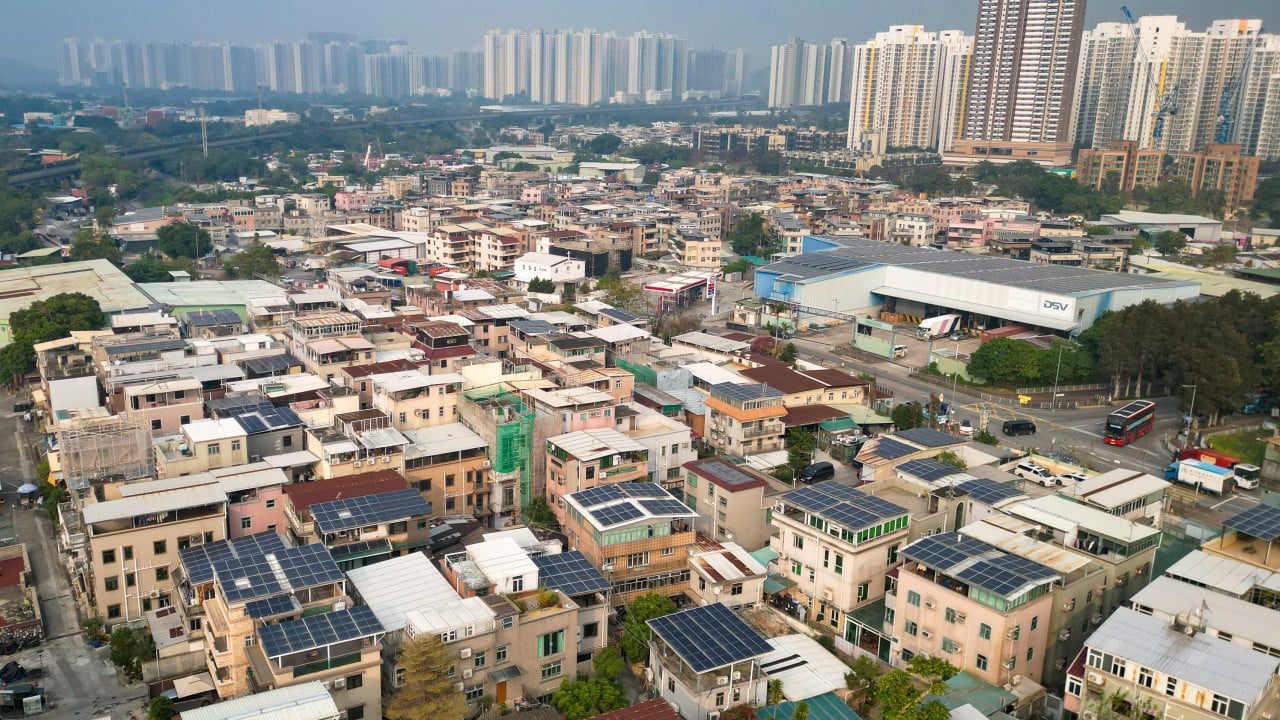
For decades, Hong Kong's "low tax" secret was that it wasn't really low tax. It was a "land-premium" system. The government owned the land, sold it for record prices, and used that cash to keep income taxes low. But that engine is coughing.
Land revenue for 2025-26 was revised down to about **HK$17.5 billion**. To put that in perspective, in the good old days, the government could easily rake in HK$100 billion from a few choice plots in Kowloon or Central. Now, with high vacancy rates in office buildings and developers playing it safe, the government is lucky to get a fraction of that.
Paul Chan is trying to pivot. He’s hiking stamp duties on luxury homes—raising the rate to 6.5% for properties over HK$100 million. It’s a classic "tax the rich" move, but it only brings in an extra HK$1 billion a year. It's a drop in the bucket when you're trying to fund a HK$800 billion annual budget.
The Bond Market Gamble
Here's the part that doesn't get enough attention. The surplus of HK$2.9 billion actually includes proceeds from issuing bonds. Basically, the government is borrowing money to help balance the books.
In the 2025-26 period, the government pulled in HK$142.3 billion from bond sales. If you take that "income" out, the city is still technically in a deficit. Paul Chan argues that this is fine because the money is going toward "capital works"—meaning big infrastructure like the Northern Metropolis. He’s betting that building a massive tech hub near the border with Shenzhen will create enough growth to pay back the debt later.
It's a "spend money to make money" strategy. But it’s risky. If the Northern Metropolis doesn't attract the global AI and tech giants it's built for, we’re left with a massive bill and a lot of empty buildings.
What This Means for Your Wallet
So, does this "fiscal discipline" help the average person in Mong Kok or Causeway Bay? Honestly, it's a mixed bag.
On one hand, the government is still handing out some sweeteners. You’re getting a 100% reduction in profits and salaries tax for the 2025-26 year, though it’s capped at a measly HK$3,000. It’s better than nothing, but it won't pay for a family vacation.
On the other hand, the cost of living is being nudged up by the government's "user pays" principle.
- Departure Tax: Flying out of Hong Kong? That tax is going from HK$120 to **HK$200**.
- Transport Subsidies: The popular $2 scheme for seniors is being tweaked. It's now a "$2 flat rate or 80% discount" for expensive trips, with a cap on how many times you can use it.
- Electric Bills: With the government cutting back on subsidies, your utility bills are likely to creep up.
Is This the "New Normal" for Hong Kong?
The "striking" turnaround in the budget isn't a sign that the old Hong Kong is back. It’s a sign that the city is desperately trying to reinvent itself. Paul Chan is walking a tightrope. He has to keep the international markets happy by showing he can balance a budget, but he also has to keep the local economy from stalling out.
We’re seeing a shift toward a "Finance+" and "AI+" economy. The government is dumping HK$30 billion into AI adoption and tech infrastructure. They're hoping that by becoming the "super-connector" for Mainland firms going global, they can replace the lost land revenue with high-value service fees and new corporate taxes.
If you're a business owner or an investor, the message is clear. The days of easy money from property are over. The government is signal-firing that the future is in technology, intellectual property (IP) trading, and the Greater Bay Area.
Don't wait for a "rebirth" of the property market to save your portfolio. Start looking at the tax incentives for R&D and the new unified fund exemption regimes for digital assets. The government is basically shouting where the next dollar is going to come from. If you aren't positioning yourself there, you're going to get left behind while the city tries to balance its books on your back. Keep an eye on the Northern Metropolis progress reports—that’s the real barometer for whether this fiscal gamble is actually paying off.