Property markets do not turn on sentiment alone, no matter how desperately developers wish they might. When authorities in Hong Kong introduced minor policy adjustments to property rates, the immediate response across local trading desks and agency floors was a collective, weary sigh of relief. For a brief moment, the narrative suggested that the bleeding had stopped. But surface-level adjustments do little to reverse structural contraction in a market built on expensive debt, sluggish retail absorption, and shifting corporate footprints. The fragile reprieve granted by minor rate concessions has obscured a much harsher structural reality.
Hong Kong real estate is undergoing a fundamental re-pricing. For decades, the formula was simple and reliable. Land supply was strictly constrained, capital flowed freely from mainland China, corporate tenants paid astronomical rents without blinking, and local buyers treated residential units as a guaranteed hedge against inflation. That feedback loop has broken. High borrowing costs driven by the currency peg to the United States dollar have collided with an oversupplied commercial sector and a cautious consumer base. Also making waves recently: When Boardrooms Board Airplanes.
To understand why temporary rate relief amounts to little more than a band-aid on a compound fracture, one must examine the mechanics of the current downturn. Commercial vacancies in prime districts such as Central and Tsim Sha Tsui remain stubbornly elevated. Multinational firms continue to downsize their footprints or relocate regional operations to alternative financial hubs across Asia. At the same time, mainland Chinese corporations, long relied upon to absorb surplus grade-A office space, are facing domestic economic headwinds of their own. They are no longer expanding aggressively into overseas real estate.
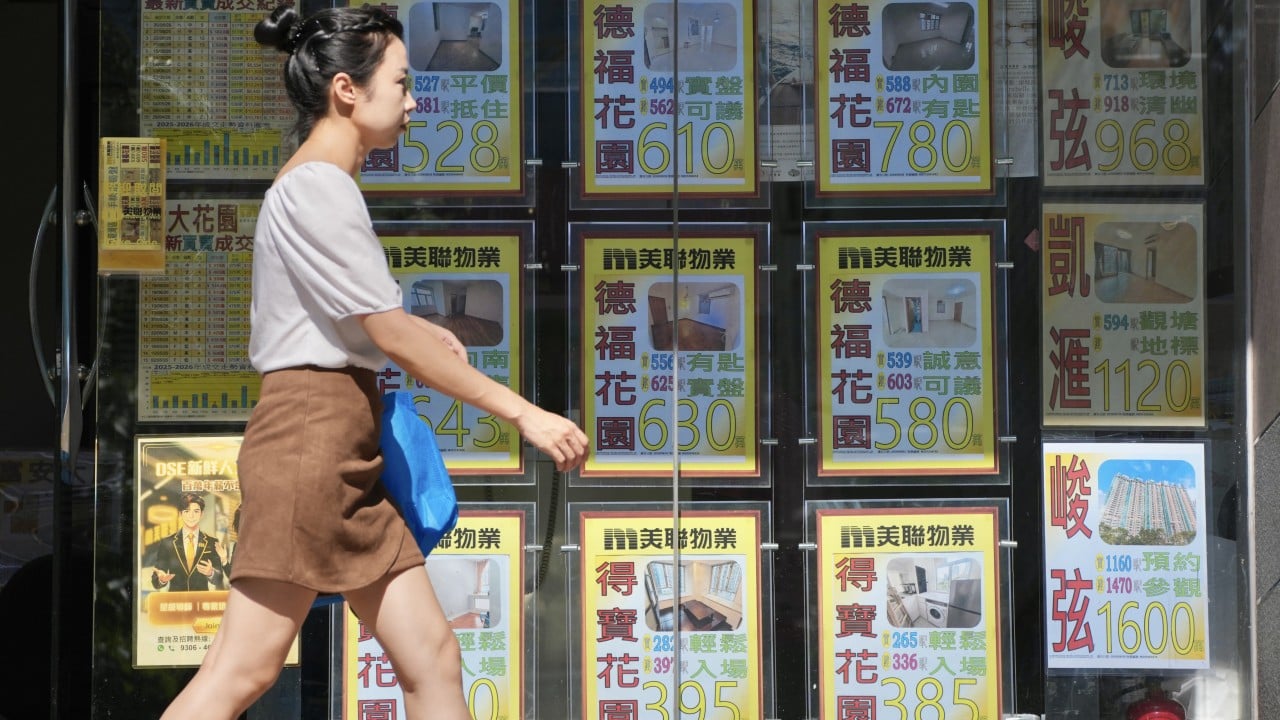
Residential sentiment fares no better. While developers have attempted to clear inventory by cutting prices and offering aggressive mortgage subsidies, secondary market transactions remain sluggish. Prospective buyers are acutely aware that interest rates, even if they stabilize, will not return to the near-zero levels that fueled the previous decade's asset bubble. Affordability ratios remain severely detached from median household incomes. When a young professional looks at a twenty-year horizon, the math simply does not support buying at current valuations unless prices correct significantly further. Additional details regarding the matter are detailed by Investopedia.
The broader financial ecosystem feels the strain. Banks in the territory have tightened lending standards, and developers with heavy debt maturities are caught between falling asset valuations and refinancing pressures. Yet, public commentary often focuses on short-term policy tweaks rather than these deep-seated systemic shifts. Minor adjustments to government rates or stamp duties fail to address the core problem, which is a structural mismatch between historical pricing expectations and current economic fundamentals.
Debt servicing costs remain a persistent anchor. Because the Hong Kong dollar is pegged to the greenback, local monetary policy must track the United States Federal Reserve. When American interest rates stay higher for longer, Hong Kong borrowers feel the exact same pain. Local commercial banks have raised prime rates, directly increasing monthly mortgage burdens for homeowners and squeezing cash flows for commercial landlords. A modest discount on government rates offers negligible comfort to a commercial landlord facing a thirty percent drop in rental income alongside doubled financing expenses.
Retail landlords face an equally daunting squeeze. Changing consumer habits, accelerated by structural shifts in cross-border travel, have transformed retail dynamics. Residents now frequently cross the border to Shenzhen for dining, entertainment, and shopping, seeking better value for money. This outflow of retail spending leaves domestic malls and street-level shops struggling to maintain occupancy, let on terms that justify historical property valuations. When retail revenue contracts, commercial property values must inevitably follow.
Market participants who wait for a return to the golden era are misreading the macroeconomic tea leaves. The previous peak was fueled by a unique confluence of cheap global liquidity, unyielding mainland capital inflows, and an unquestioned belief in perpetual upward momentum. That trifecta is gone. What remains is a mature, highly competitive market where asset values must find a realistic equilibrium based on actual productivity and organic local demand.
The path forward requires abandoning the illusion that a few policy adjustments can restore bygone valuations. Real estate in the territory will eventually stabilize, but it will do so at a level that reflects economic reality rather than historical nostalgia. Until developers, investors, and policymakers accept this fundamental recalibration, the market will remain trapped in a prolonged state of guarded uncertainty.