Rain slicked the black asphalt of the White House driveway, reflecting the flickering lights of a dozen news cameras. Inside the Oval Office, words were being weighed like gold coins, but outside, the air felt thin. For months, the world had held its collective breath, watching the jagged, pulsing red line of escalation between Washington and Tehran. Then, a statement cut through the static: the conflict is close to over. It sounded like a sigh of relief. It felt like a door slamming shut in an empty house.
Geopolitics is often described as a chess match, but that is too clean, too intellectual. It is actually more like a high-stakes poker game played in a room with no windows, where the players are exhausted and the chips are human lives. When a leader signals that a war is ending before it has truly begun, he isn't just announcing peace. He is admitting that the deck is empty.
Consider a family in Isfahan. Let’s call the father Elias. He doesn't care about the intricacies of the JCPOA or the specific range of a ballistic missile. He cares about the price of eggs, which has doubled in a month. He cares about the hum of the centrifuges he can’t see but feels in the rising tension of his neighbors’ voices. To Elias, "close to over" doesn't mean the threat has vanished. It means the pressure has simply reached a plateau where it is no longer useful to the men in suits thousands of miles away.
The "maximum pressure" campaign was designed to be a tightening vise. The logic was simple: squeeze the Iranian economy until the regime cracked or came crawling to the table. For a while, the vise turned. Oil exports plummeted. The rial became a ghost of a currency. But vises have a physical limit. Eventually, the metal groans. You can only squeeze a nation so hard before the remaining resistance becomes a solid, unbreakable mass.
When the rhetoric shifts from fire and fury to a quiet exit, it reveals a stark reality. The options have run dry.
Military intervention remains a haunting specter, but it is one that no one truly wants to summon. The Pentagon knows that a "limited strike" on Iranian soil is a fantasy. It would be like trying to take a single sip from a firehose. The retaliation would ripple through the Strait of Hormuz, spiking global oil prices and turning the Middle East into a charred map of proxy battles.
So, we are left with the silence that follows a loud argument.
The administration’s pivot suggests a realization that the leverage has peaked. If three years of crippling sanctions didn't force a signature on a new deal, year four is unlikely to work magic. Diplomacy, once a sharp tool, now looks like a blunt instrument.
Imagine a bridge built halfway across a chasm. It looks impressive from the starting bank. You can stand on the edge and shout across the gap. But if you lack the materials to reach the other side, the bridge is just a very expensive pier. That is where the current policy sits. We have walked out over the edge, looked down at the drop, and decided that standing still is better than falling.
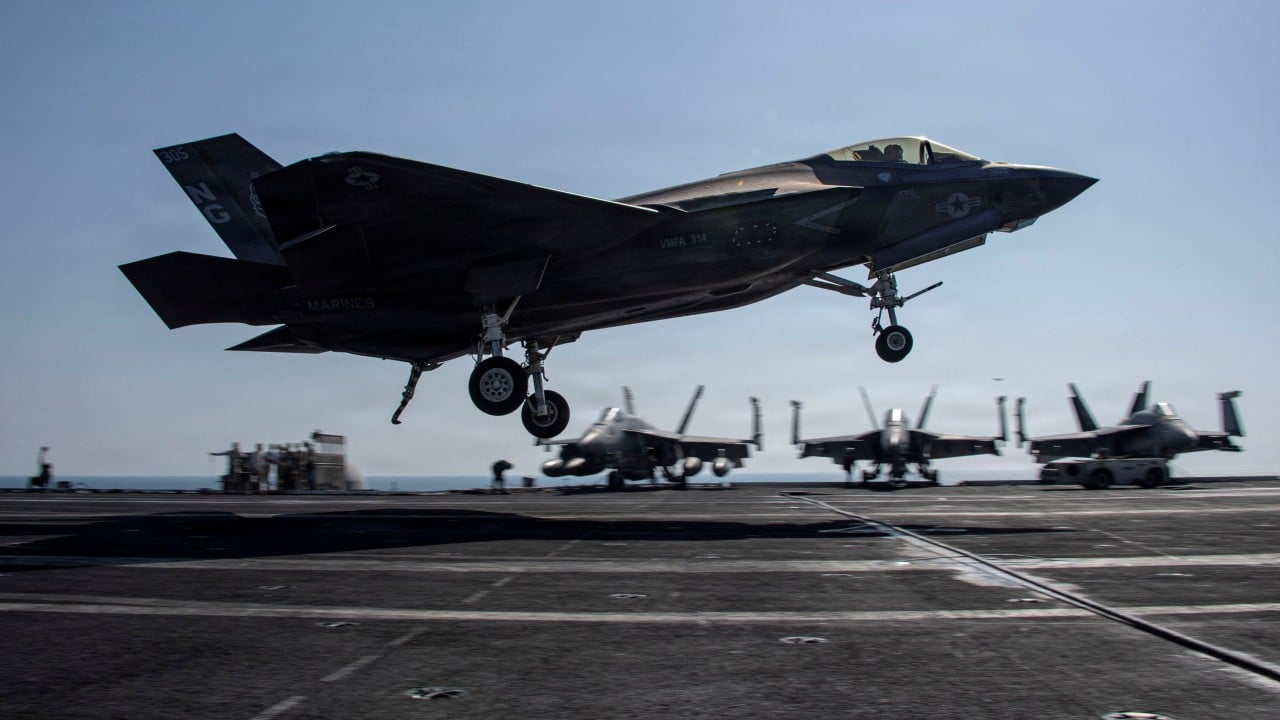
This isn't just about the current occupant of the White House. It is about the fundamental exhaustion of a superpower that has spent two decades trying to reshape the desert in its own image. There is a specific kind of fatigue that sets in when you realize that your greatest threats cannot be defeated by a carrier strike group or a treasury department memo.
The Iranian leadership knows this. They play the long game because their history is measured in millennia, not election cycles. They have learned to breathe underwater. While the West looks for a "win" to splash across a 24-hour news cycle, Tehran looks for survival. By declaring the conflict "close to over," the U.S. is essentially acknowledging that the stalemate is the new status quo.
A stalemate is not peace. It is a held breath.
It is the tension in a wire just before it snaps. For the sailors in the Persian Gulf, for the protesters in the streets of Tehran, and for the diplomats drinking lukewarm coffee in Vienna, the "end" of the conflict feels remarkably like the beginning of a much longer, colder era.
We are watching the curtain fall on a play where the ending was never written. The actors are tired. The audience is distracted. And in the shadows behind the stage, the machinery of the conflict continues to hum, ignored but not dismantled.
The lights in the Oval Office eventually dim. The motorcade drives away into the damp D.C. night. The headlines will move on to the next crisis, the next scandal, the next outrage. But for the people living in the crosshairs, "close to over" is just another way of saying that the world has stopped looking, even though the danger hasn't stopped existing.
The mission isn't accomplished. It’s just been abandoned.