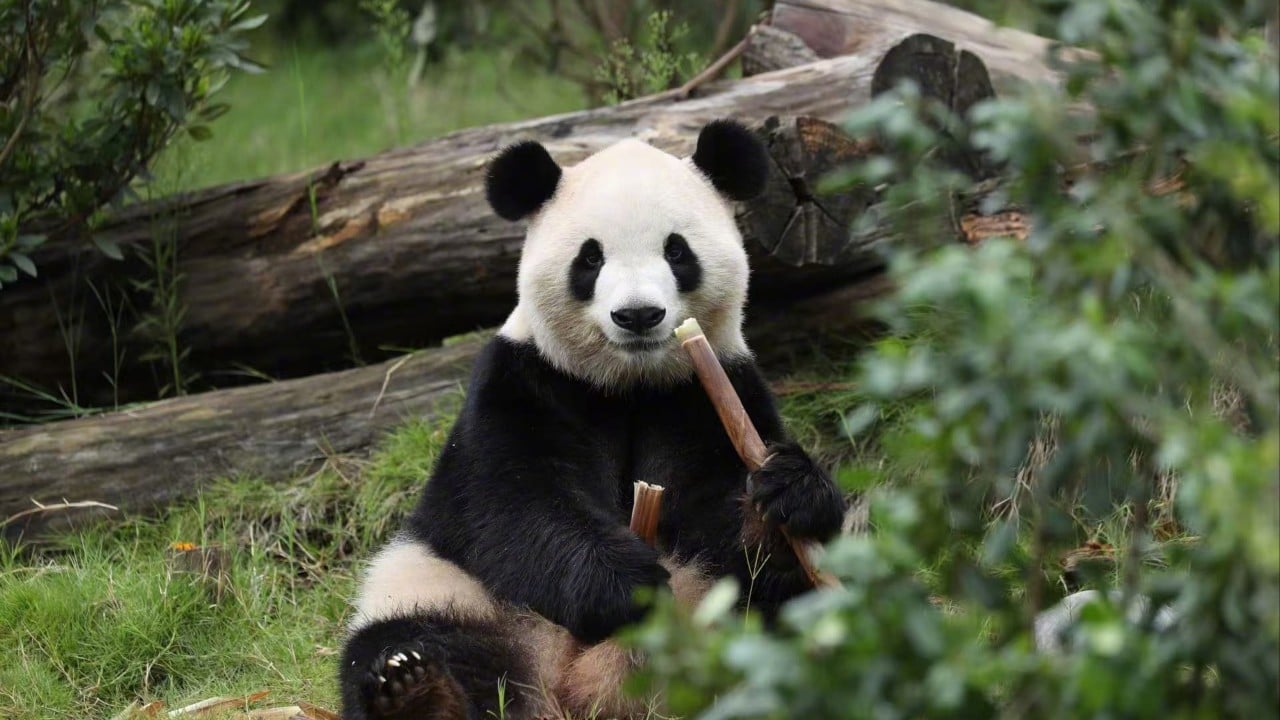
For decades, Beijing’s most effective foreign policy tool has not been an aircraft carrier, a trade tariff, or a high-speed rail contract. It has been a black-and-white bear weighing roughly three hundred pounds. Panda diplomacy—the calculated leasing of giant pandas to foreign zoos—has long functioned as the ultimate diplomatic velvet glove, signaling political favor, cementing trade partnerships, and softening Beijing's global image through sheer charisma. Yet behind the crowded enclosures, the viral video feeds, and the ceremonial ribbon-cuttings, the financial and geopolitical architecture of this program is buckling under the weight of its own contradictions.
The mechanism itself has evolved from outright gifting into a high-stakes commercial and political enterprise. When China began sending pandas abroad in the mid-twentieth century, the animals were tokens of state friendship. By 1984, citing conservation imperatives, Beijing shifted entirely to a commercial leasing model. Today, foreign zoos do not simply borrow an animal; they enter into rigorous multi-million-dollar contracts with the China Wildlife Conservation Association.
The baseline costs are staggering. Standard agreements typically involve an annual rental fee of roughly one million dollars per pair, payable directly to conservation funds in China. That is merely the entry fee. Host institutions must also finance specialized bamboo logistics—often importing fresh shoots from specific regions thousands of miles away—along with climate-controlled enclosures that can cost tens of millions to construct. Furthermore, the contracts stipulate that any cub born during the lease remains the property of the Chinese state, carrying an additional six-figure "baby tax" upon birth before it is eventually repatriated. Between leasing fees, specialized veterinary care, habitat maintenance, and research commitments, the giant panda holds the Guinness World Record for being the most expensive captive species on Earth.
For years, host governments and metropolitan zoos willingly absorbed these punishing expenses because the return on investment was guaranteed. A pair of pandas could single-handedly rescue a lagging municipal zoo’s attendance figures, spark tourism spikes across local hospitality sectors, and provide a convenient backdrop for diplomatic handshakes. But the transactional nature of the arrangement leaves it acutely vulnerable to political turbulence.
When bilateral ties between Beijing and a host nation chill, the pandas often pack their bags ahead of schedule. The program’s flexibility is its defining trait, but that same flexibility weaponizes wildlife conservation. Over recent years, multiple specimens have been repatriated early or denied lease renewals as diplomatic friction mounted across various capitals. When a major power dynamic shifts, the pandas become avian barometers of geopolitical weather, leaving host zoos holding multi-million-dollar empty habitats and bewildered local taxpayers wondering about the municipal ROI.
This transactional volatility has triggered a quiet reassessment among international cultural institutions. Financial pressures alone are forcing directors to weigh whether a pair of leased mammals is a justifiable line item when municipal budgets are strained. At the same time, foreign audiences are increasingly skeptical of soft-power maneuvers that disguise political leverage as pure conservation science. While the funds generated by these leases ostensibly flow back into high-altitude reserves and breeding bases in Sichuan, critics argue that the commercialization of endangered species turns ecological stewardship into a proprietary franchise.
The strategy endures because the animal's cultural pull remains unmatched. When high-level state visits occur, the announcement of a new panda pairing remains one of the few tangible deliverables politicians can hand to the press corps to project stability. Yet the illusion of timeless friendship is wearing thin. As host nations grow more calculating about the true costs—both financial and political—of housing Beijing's beloved ambassadors, the era of frictionless panda diplomacy is quietly drawing to a close. The cages remain full for now, but the ledger no longer balances quite as easily as it once did.