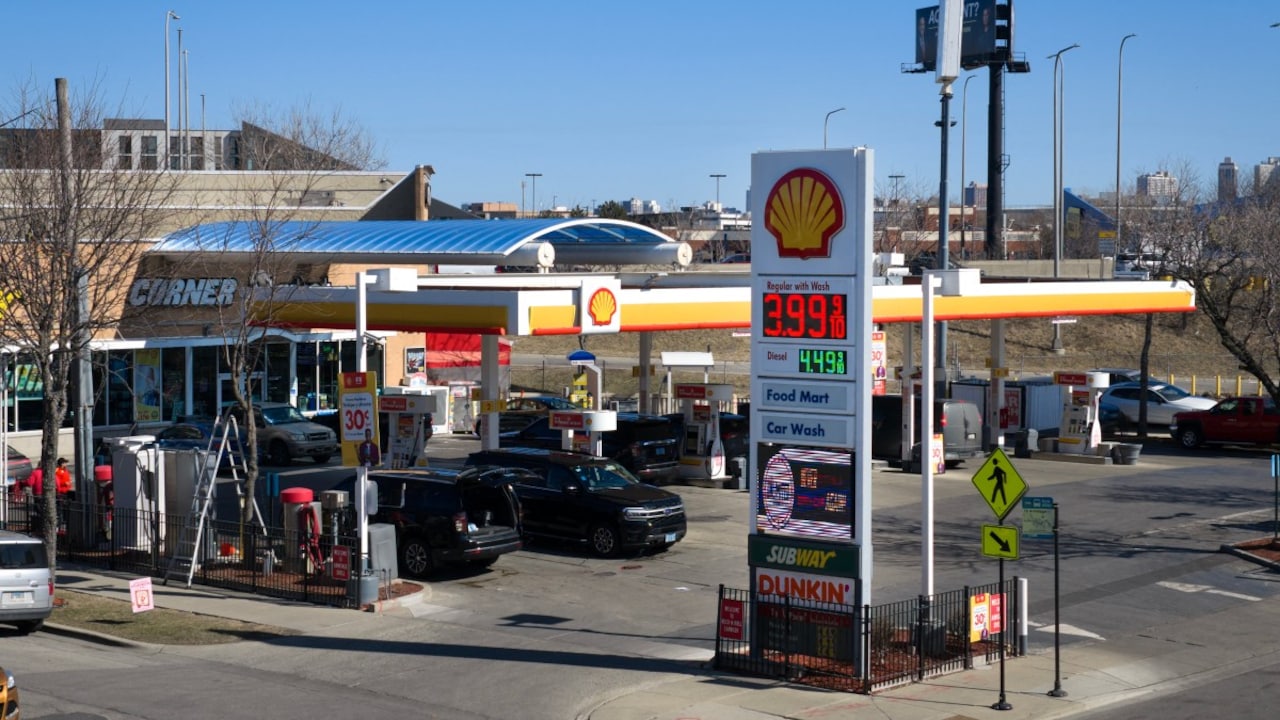
American drivers are finally seeing relief at the pump as average gas prices drop below the four-dollar mark for the first time since March. While the mainstream narrative credits this dip entirely to the newly enacted Iran nuclear deal pouring fresh crude into the global market, the reality is far more complex. The sudden decline in prices is not just an diplomatic victory. It is the result of a quiet, aggressive recalibration of domestic refining capacity, a sharp drop in seasonal consumer demand, and tactical releases from strategic reserves.
Wall Street commentators want a simple headline. They prefer to link every fluctuation in energy costs to geopolitical drama in the Middle East. It makes for good television. However, assigning the entire credit to Tehran ignores the structural mechanics of the energy sector. Crude oil is merely the raw material. What drivers actually pump into their tanks is a highly regulated, seasonally manufactured product governed by refining margins and domestic logistics.
To understand why fuel costs fell, we have to look past the diplomatic tables in Vienna and examine the gritty operational realities of the Gulf Coast and the unexpected shifts in American driving habits.
The Refining Surge and the Summer Gasoline Pivot
Crude oil sitting in a tanker does not lower the price of regular unleaded. For months, American refineries operated at near-maximum capacity, pushing their machinery to the absolute brink.
The Refining Margin Crush
Earlier this year, the spread between a barrel of crude oil and the price of the refined gasoline produced from it reached historic highs. This gap incentivized every domestic refiner to delay scheduled maintenance and run their facilities hot.
The strategy worked. By mid-summer, the market was flooded with finished gasoline. This surge in supply hit the market at the exact moment refineries began their annual shift away from expensive summer-blend gasoline toward the cheaper winter blend.
Winter-blend gasoline utilizes more butane, a plentiful and inexpensive component that increases volatility to help engines start in cold weather. It costs significantly less to manufacture than the low-evaporation summer blend required by environmental regulations during hot months. This regulatory shift automatically shaves fifteen to twenty-five cents off the cost of production per gallon. When refiners passed these savings along to wholesalers, retail prices responded immediately.
The Demand Destruction Mirage
The high prices of late spring altered consumer behavior in ways that data analysts are only now beginning to quantify. People simply stopped driving as much.
High costs at the pump triggered classic demand destruction. Families cancelled road trips. Commuters grouped errands together or maximized remote work options. Weekly domestic gasoline consumption numbers from the Energy Information Administration showed a distinct drop compared to the five-year average.
Domestic Gasoline Demand (Millions of Barrels per Day)
Early Summer: ████████████████████ 9.3
Late Summer:  ██████████████████   8.6
This was not a permanent shift toward electric vehicles or public transit. It was a temporary retreat. When supply caught up with this suppressed demand, the pricing floor collapsed, dragging the national average down below that psychological four-dollar threshold.
The True Role of Iranian Crude
The return of Iran to Western energy markets is a factor, but its current impact is largely psychological. Energy markets trade heavily on futures contracts, which means prices often move based on anticipation rather than immediate physical supply.
Paper Barrels Versus Physical Barrels
Traders in London and New York bid prices down the moment the signatures dried on the diplomatic accord. They were trading "paper barrels"—speculative bets on future supply.
The physical oil from Iran takes months to arrive at global refineries in meaningful volumes. Iran possesses millions of barrels stored on tankers in the Persian Gulf, ready to move. But upgrading that heavy, sour crude into clean-burning American gasoline requires specific refining configurations that are already heavily booked.
Furthermore, European markets are the primary destination for this newly available crude, not the United States. While a higher global supply generally lowers prices everywhere, the direct physical impact on American gas stations is indirect. The agreement acted as a psychological cap on speculation, removing the fear premium that had driven oil over one hundred dollars a barrel earlier in the year.
The Strategic Reserve Cushion
The diplomatic breakthrough coincided with the tail end of coordinated releases from the U.S. Strategic Petroleum Reserve. For months, millions of barrels of crude were injected into the domestic market.
This policy drew heavy criticism from security analysts who warned about depleting emergency inventories. However, the sustained release achieved its tactical economic goal. It bridged the gap during the highest-demand months of the year, preventing supply crunches while domestic producers ramped up drilling activity in the Permian Basin.
The Regional Pricing Disparity
A national average of less than four dollars does not mean every driver is celebrating. The energy infrastructure of the United States is fragmented, creating stark regional realities.
West Coast drivers continue to pay significantly more due to strict local environmental mandates and a lack of pipeline connectivity to the rest of the country. California, Washington, and Oregon operate effectively as an energy island, relying on a limited number of local refineries. When a single facility in Richmond or Carson undergoes unscheduled maintenance, local prices spike regardless of global trends or diplomatic breakthroughs.
Conversely, the Gulf Coast and the Midwest enjoy direct access to the nation's primary pipeline networks and refining hubs. In places like Texas, Mississippi, and Ohio, gas prices dropped well below the four-dollar mark weeks ago. These regions benefit from lower state fuel taxes and minimal transport costs, illustrating that proximity to infrastructure matters far more than international treaties.
Future Volatility Factors
The current downward trend is welcome news for household budgets, but the structural vulnerabilities of the energy grid remain unresolved. The market is enjoying a temporary equilibrium that could easily be disrupted by external forces.
The Atlantic hurricane season remains a wild card. A single severe storm entering the Gulf of Mexico can force the preemptive shutdown of dozens of offshore platforms and coastal refineries, wiping out millions of barrels of production capacity overnight. If a major storm hits the refining corridor between Houston and New Orleans, the national average will surge back above four dollars within forty-eight hours.
Additionally, OPEC+ producers have signaled discomfort with falling prices. The cartel retains the ability to cut production quotas to defend a higher price floor, effectively neutralizing the volume added by Iran.
The relief at the pump is real, but it is a product of domestic operational adjustments and temporary consumer pullback rather than a permanent fix from overseas. Drivers should enjoy the sub-four-dollar fuel while it lasts, but keep their budgets flexible for the inevitable shifts of autumn.


