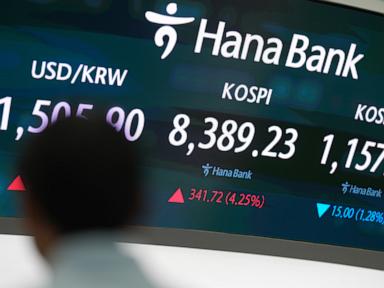
Asian markets are climbing on the back of historic highs in New York, while crude oil prices are sliding. On the surface, this looks like a textbook economic victory lap. The immediate data shows regional indexes tracking Wall Street’s momentum, buoyed by technology sector gains and optimism over corporate earnings. But the prevailing narrative that this rally signals a flawless economic expansion is wrong. A deeper look at the underlying mechanics reveals that this surge is built on highly concentrated capital flows and central bank dependencies, rather than broad macroeconomic health.
When the S&P 500 and Nasdaq set consecutive milestones, the ripples inevitably hit Tokyo, Seoul, and Taipei. Investors routinely interpret these record highs as a green light to buy. However, this cross-border momentum masks a growing divergence between soaring equity valuations and the gritty reality of consumer demand, persistent inflation anxieties, and shifting corporate debt structures.
The Illusion of Synchronized Growth
The current upward trajectory in Asian equities suggests a unified global recovery. It looks healthy. Yet, the momentum is heavily skewed toward a handful of specific sectors, primarily semiconductor manufacturing and hardware supply chains integrated with American tech giants.
When Tokyo’s Nikkei 225 or Taipei’s Taiex surge, a closer inspection of the ticker symbols reveals that the gains are concentrated. A tiny cluster of mega-cap companies drives the index upward, while mid-cap manufacturing, retail, and domestic services struggle to maintain profitability. This is not a rising tide lifting all boats. It is a highly localized flood of capital into companies deemed safe havens for growth.
Furthermore, domestic consumption across several major Asian economies remains sluggish. Retail sales figures and consumer confidence indexes show that households are feeling the squeeze of local currency depreciation against the US dollar. As the greenback strengthens, the cost of importing raw materials and energy rises for these nations. The stock market reflects the earnings of globalized exporters who benefit from a weak local currency, but it completely ignores the eroding purchasing power of the average domestic citizen.
The Real Drivers of the Crude Oil Decline
Standard market commentary often attributes falling oil prices to a simple drop in demand, viewing it as a warning sign of an impending economic slowdown. The reality is far more complex, involving a structural realignment of global supply dynamics and aggressive production strategies outside the traditional OPEC block.
Global Crude Production vs. Demand Estimates (Hypothetical Index Value)
| Quarter | non-OPEC Supply | Traditional OPEC Supply | Global Demand |
|---------|-----------------|-------------------------|---------------|
| Q1      | 102             | 98                      | 100           |
| Q2      | 105             | 96                      | 101           |
| Q3      | 108             | 95                      | 101.5         |
The table above illustrates a structural imbalance. Supply increases from producers in the Western Hemisphere, particularly the United States, Guyana, and Brazil, have consistently outpaced the production cuts implemented by traditional oil-exporting nations. This surge in non-OPEC output effectively breaks the pricing power that cartelized producers historically held.
At the same time, refiners in Asia have optimized their supply chains. They are no longer solely dependent on traditional Middle Eastern crude grades, having diversified their import portfolios to include heavily discounted supplies from sanctioned or distressed producers. Consequently, the dip in crude prices is not merely a reflection of economic weakness; it represents an oversupplied market where buyers have gained unprecedented leverage. This supply-side pressure keeps input costs lower for energy-importing economies, acting as an artificial subsidy for industrial manufacturers and temporarily padding corporate profit margins.
The Currency Vulnerability Trap
While export-heavy corporations cheer a weaker local currency because it makes their goods cheaper abroad, the long-term consequences for national balance sheets are hazardous. Central banks across Asia find themselves trapped in a difficult monetary policy dilemma.
If they raise interest rates to defend their currencies against a dominant US dollar, they risk choking off domestic borrowing, depressing real estate markets, and stifling local economic growth. If they keep rates low to stimulate domestic activity, their currencies depreciate further, accelerating the flight of foreign capital toward higher-yielding American assets.
"A surging stock market can easily coexist with an ailing domestic economy when that market is dominated by multinational corporations that earn their revenues in foreign currencies."
This dynamic explains why index gains do not translate into a broader sense of economic well-being on the ground. The capital appreciation stays confined to institutional portfolios and foreign investors, while local small businesses face escalating costs for credit and imported equipment.
Capital Concentration and the Liquidity Mirage
The sheer volume of capital moving through global financial centers creates an illusion of deep, resilient market liquidity. Much of this money is passive. It flows automatically into major index-tracking funds, which naturally purchase more shares of the companies that are already the largest and most expensive.
This self-reinforcing loop creates a valuation bubble among top-tier equities. If a macroeconomic shock occurs—such as an unexpected flare-up in geopolitical tensions affecting shipping lanes or a sudden shift in Federal Reserve policy—this concentrated liquidity can evaporate instantly. Because active market makers are fewer in number today than in previous decades, price discovery becomes volatile during a downturn. The very mechanism that drives these markets to record highs can accelerate their descent.
Industrial Realities vs. Financial Speculation
To understand where the global economy is actually heading, look away from the daily stock tickers and focus on the factory floor. Industrial production indices tell a far more cautious story than equity markets.
In several key manufacturing hubs, factory utilization rates have plateaued. Inventories of finished goods are creeping upward, suggesting that wholesale distributors are finding it harder to pass products down to end consumers. Companies are managing their balance sheets through cost reduction, delaying capital expenditures, and engaging in stock buybacks rather than investing in new production facilities or wage growth. This corporate risk aversion is a clear signal that executives do not fully trust the sustainability of the current market highs.
The disconnect between corporate valuations and economic fundamentals cannot expand indefinitely. Investors who rely solely on the momentum of major indexes are ignoring the structural frailties created by currency imbalances, concentrated capital, and artificial margin support from volatile energy markets. The immediate action step for capital allocators is to reduce exposure to over-indexed mega-caps and reallocate toward companies with strong localized pricing power and minimal reliance on foreign-currency-denominated supply chains.