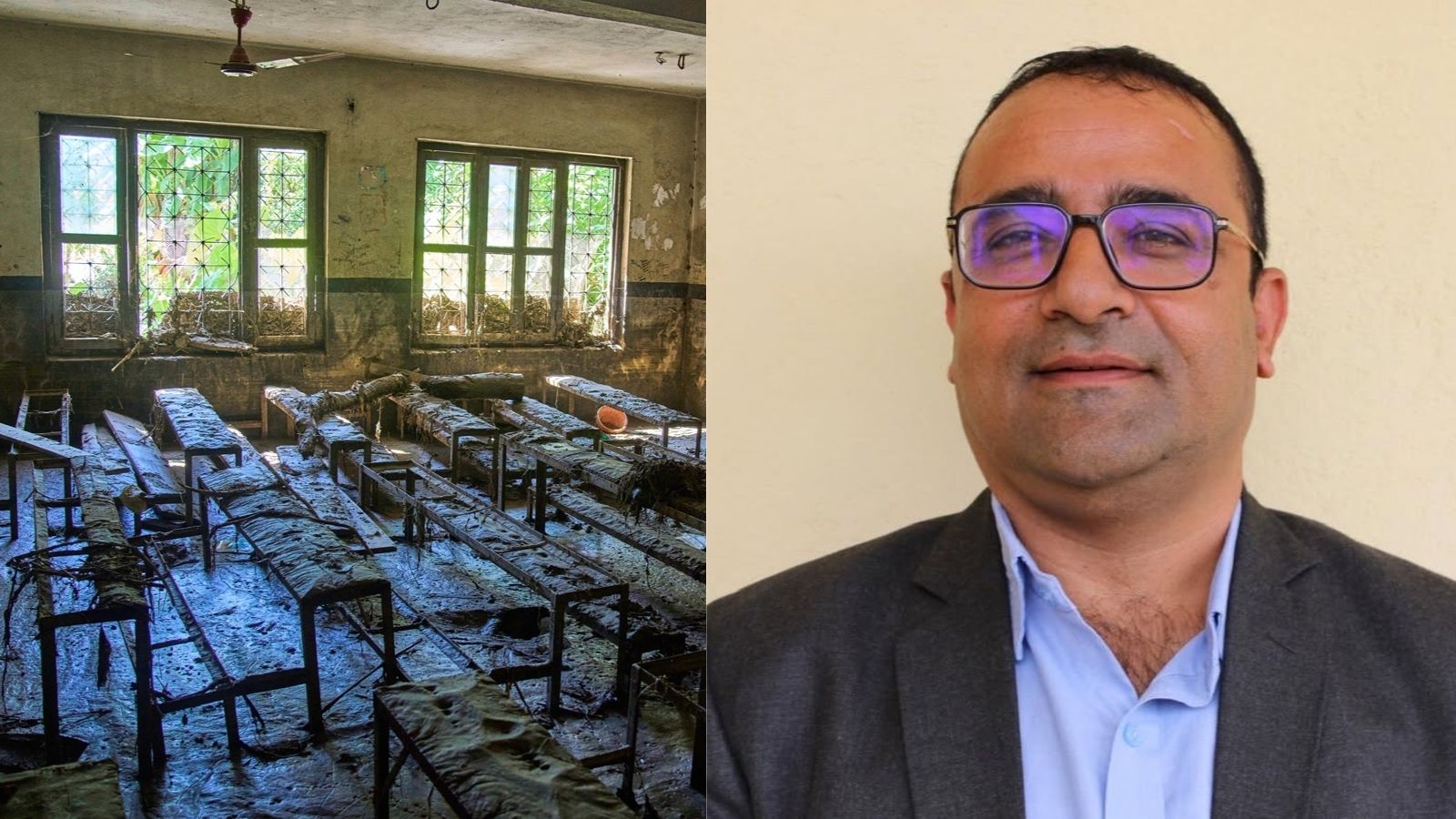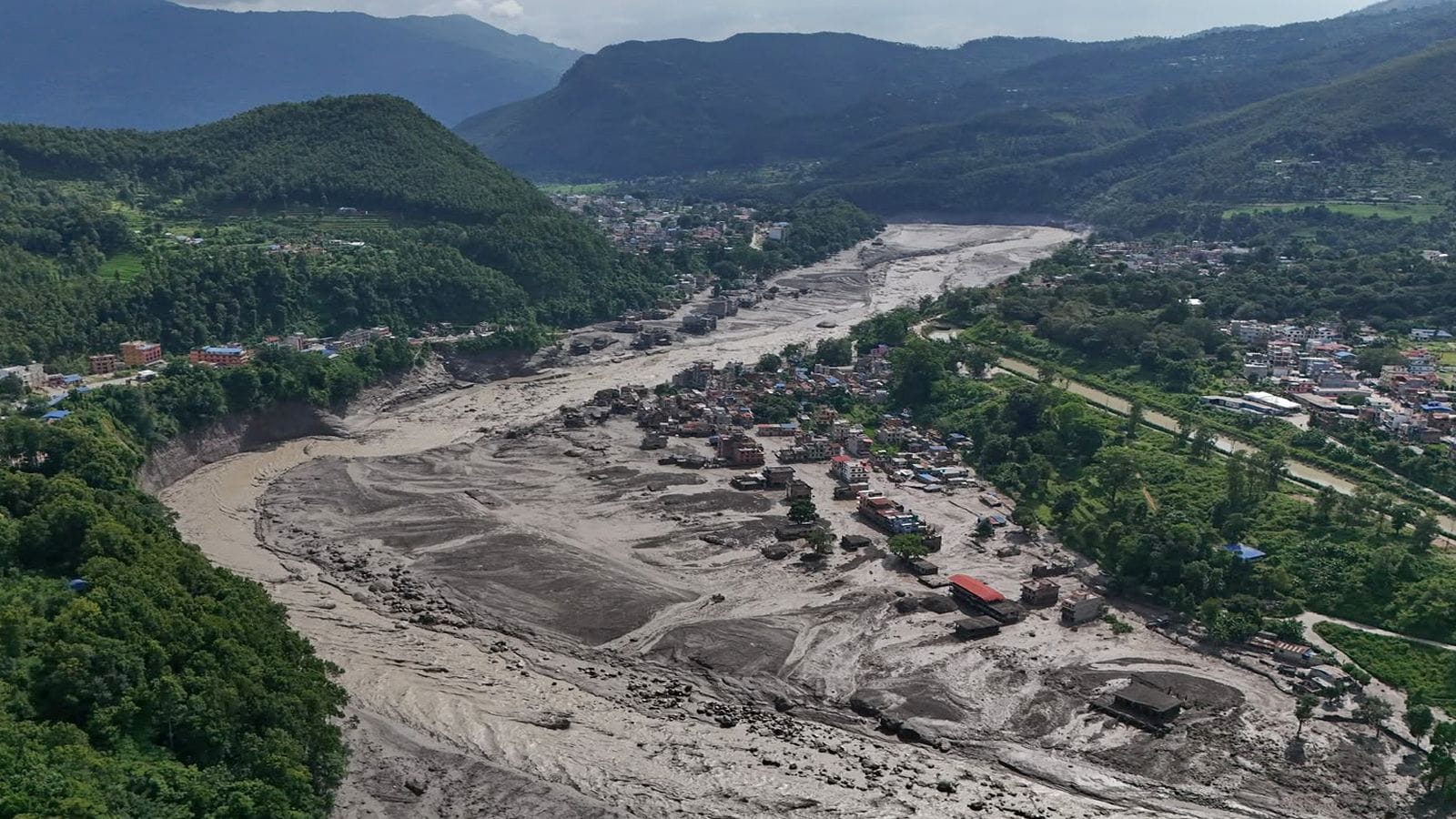
Every monsoon season, the media machine rolls out the same tired script. A flood hits South Asia, a school principal moves fast, children survive, and the internet crowns a local hero. We love the narrative. It satisfies our craving for individual agency in a chaotic world. It gives us a tidy headline about quick thinking and grit.
It is also completely lethal.
When we focus on individual heroics during a disaster, we mask structural failure. We treat systemic institutional neglect as a stage for personal character tests. Every time an article praises a principal for wading through knee-high water to herd students to safety, it quietly absolves the government, urban planners, and disaster management agencies of their absolute failure to build resilient infrastructure.
Let us look at the lazy consensus. The standard narrative says disaster readiness depends on charismatic leaders making split-second decisions on the ground. That is a fairy tale. Real disaster management is boring. It looks like concrete zoning laws, mandatory elevation codes, redundant communication channels, and automatic early warning triggers that do not require a single human being to act out of sheer panic and bravery.
If your evacuation plan relies on a principal having a flash of brilliance, you do not have a plan. You have a prayer circle with better PR.
The Myth of the Agile Individual
I have spent years auditing risk frameworks for municipal response teams, and I am exhausted by the fetishization of agility. Agility is what you want when your software sprint goes off the rails. It is not what you want when a flash flood hits a river valley.
When water rises at two meters per hour, adrenaline is a liability. Adrenaline makes people rely on intuition, and intuition is notoriously terrible at calculating hydrological pressure, soil saturation, and structural load limits. The principal who saves sixteen hundred kids by spotting a swollen creek isn't a master strategist; they survived a game of operational Russian roulette.
Consider the downstream effect of this hero worship. When we celebrate the heroic exception, we create a perverse incentive structure. Bureaucrats realize they can underfund drainage systems, ignore meteorological data, and skip structural retrofits because, hey, if things go wrong, some dedicated educator will step up and play savior for the morning news cycle.
We are outsourcing public safety to amateur heroism.
The Data Behind the Panic
Look at actual post-disaster data compiled by international risk reduction groups. The overwhelming majority of casualties in regional flash floods do not happen because people lacked good intentions. They happen because physical geography meets zero preventative architecture.
Bridges lack scour protection. School compounds sit on historical floodplains because real estate developers bought cheap land. Drainage ditches double as illegal dumping grounds.
When a flood hits, a principal with a whistle cannot out-engineer a bad geographic footprint. Yet, the viral media cycle prefers the human-interest angle over the structural autopsy. It is much easier to photograph a muddy schoolyard than it is to investigate why municipal zoning permits were granted in a basin.
"When your primary safety metric is the adrenaline response of an untrained civilian, you have already accepted mass casualty as an acceptable baseline."
Engineering Out the Need for Heroes
We need to stop asking how leaders react in a crisis and start asking why the crisis was allowed to reach them in the first place.
Real preparation looks entirely unglamorous. It means automated sirens linked directly to upstream rain gauges, completely decoupled from human notification chains. It means hardened structures designed to function as vertical evacuation hubs that require zero transit across flood zones. It means taking the burden of survival off the shoulders of local teachers and placing it squarely onto engineered redundancies.
Does this approach have downsides? Absolutely. It is expensive. It requires long-term capital allocation, rigorous accountability, and political friction with corrupt local developers. It doesn't generate heartwarming viral videos for social media. You cannot put a concrete retaining wall on a morning talk show to talk about its resilience and grit.
Stop Waiting for the Savior
The next time a headline praises a quick-thinking educator for averting a tragedy, feel angry, not inspired. That headline is an obituary for a system that refused to do its job until the water was already at the doorstop.
Stop looking for saviors in the wreckage. Start demanding concrete.