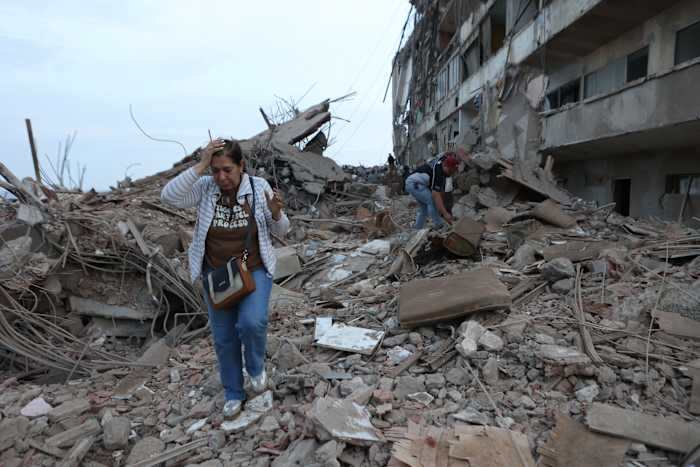
When a major earthquake hits Venezuela, the internet fills with viral donation links overnight. You want to help. You see the footage of collapsed buildings, overwhelmed hospitals, and families displaced from their homes. But if you just click the first shiny donate button you see on social media, there is a massive chance your cash won't actually reach the people who need it most.
Crisis response in Venezuela is incredibly complicated. The country faces severe economic hurdles, hyperinflation, and complex political dynamics that make traditional aid delivery a logistical nightmare. Sending physical goods like heavy blankets or canned food from abroad usually gets stuck in customs for months. Sometimes it never clears at all. If you want to make a real difference for those impacted by the Venezuela earthquakes, you have to be smart, strategic, and hyper-selective about where your money goes.
The Reality of Aid Delivery in Venezuela
Most people do not realize that international aid agencies cannot just fly a cargo plane into Caracas and start handing out supplies. Logistics rule everything here.
The country’s infrastructure was already under massive strain before any seismic activity. Power outages are frequent. Fuel shortages stall transport trucks. Because of these existing hurdles, the best way to help is by supporting organizations that already have a permanent, legal footprint inside the country. They do not need to figure out customs because they are already on the ground.
When you give to groups with established networks, your dollars turn into local purchasing power. Buying food, medical supplies, and clean water directly within Venezuela or from neighboring regional hubs keeps transport costs low. It also gets help to victims in hours rather than weeks.
Veteran Organizations You Can Actually Trust
Do not guess which charities are legitimate. Look for organizations with a proven track record of financial transparency and operational capacity in Latin America.
Action Against Hunger
This organization has operated inside Venezuela since 2019. They focus heavily on nutrition, clean water, and sanitation. Following a disaster like an earthquake, water infrastructure usually breaks down first. Action Against Hunger steps in to distribute water purification tablets, build community handwashing stations, and provide nutritional supplements to vulnerable kids and pregnant women.
The International Federation of Red Cross and Red Crescent Societies (IFRC)
The Venezuelan Red Cross has thousands of local volunteers who live in the affected communities. They are the ones pulling people from rubble, providing first aid, and setting up temporary field hospitals. Funding the IFRC ensures that these local chapters have the bandages, stretchers, and emergency vehicles needed to save lives in the immediate aftermath of a disaster.
UNICEF
For long-term recovery, UNICEF focuses on keeping children safe and getting them back to learning. Earthquakes destroy schools and disrupt lives. UNICEF sets up temporary child-friendly spaces, provides psychosocial support to traumatized kids, and delivers emergency education kits so schooling doesn't grind to a halt for years.
Why Cash is Better Than Physical Goods
It feels good to pack a box of old clothes, shoes, and canned soup. It feels personal. Honestly, though, you should stop doing it.
Shipping physical items across borders during a humanitarian crisis is incredibly inefficient. It takes up valuable cargo space that should be reserved for specialized medical equipment or search-and-rescue teams. Sorting through mismatched donations takes up volunteer hours that could be spent distributing clean water.
Cash is flexible. It allows local managers to pivot instantly. If a shelter suddenly runs out of antibiotics, they can buy them nearby. If they need flashlights, they buy flashlights. Trust the experts on the ground to know what they need today. Your cash gives them that agility.
Spotting Donation Scams Before You Pay
Disaster brings out the best in people, but it also brings out scammers. Crowdfunding platforms see a massive spike in fake campaigns after any major earthquake.
Never send money via wire transfer or cryptocurrency to an individual claiming to represent a charity. Legitimate nonprofits will always give you a secure payment gateway and a tax receipt. Check out platforms like Charity Navigator or GuideStar to verify an organization’s financial health before typing in your credit card number. If a group cannot show you exactly what percentage of donations goes directly to program delivery versus administrative overhead, take your money elsewhere.
Steps You Can Take Right Now
Do not let analysis paralysis stop you from doing good. If you want to help survivors of the Venezuela earthquakes right now, follow this simple checklist.
First, pick one of the verified international organizations like the IFRC or Action Against Hunger.
Second, set up a recurring or one-time cash donation through their official, secure website. Avoid third-party social media links if you can.
Third, use your own social media presence to share official donation links rather than unsourced, emotional videos. Spreading accurate information is a form of aid in itself.
Log on to a verified portal today and make a direct financial contribution to ensure families receive immediate medical care and clean drinking water.


