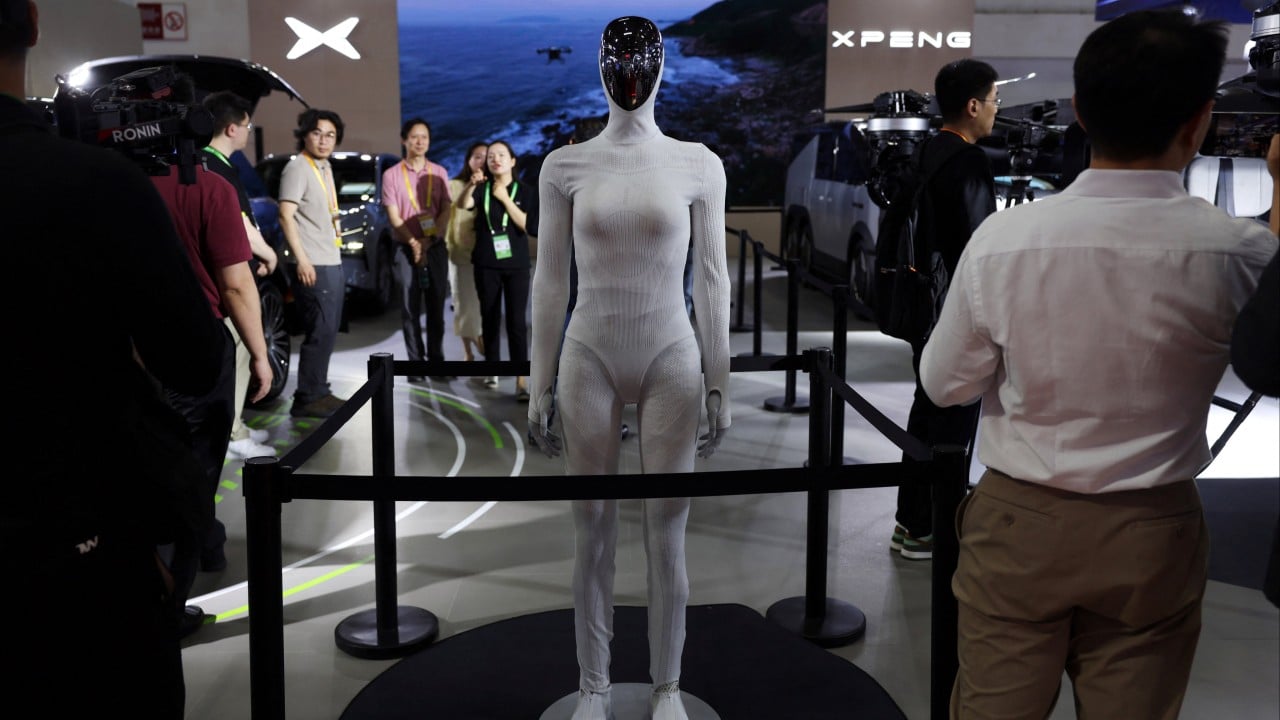
Chinese electric vehicle manufacturer XPENG is preparing to launch its Iron humanoid robot globally in 2027, aiming to scale manufacturing capacity to over 1,000 units per month by the end of 2026. This aggressive timeline represents more than a technical milestone; it is a high-stakes survival strategy. By introducing these bipedal machines as retail assistants in domestic showrooms by early 2027, before deploying them overseas, the Guangzhou-based automaker is attempting to rewrite the rules of both the automotive and robotics sectors. However, the path from a controlled stage demonstration to a viable commercial product is littered with immense financial and engineering hurdles that most market commentators routinely ignore.
Behind the polished promotional videos lies a stark economic reality. XPENG is pouring billions of yuan into physical artificial intelligence at a time when its core automotive business faces brutal domestic price wars and narrowing margins. For an industry veteran, this pivot looks less like a natural evolution and more like a calculated gamble to capture investor attention and secure a foothold in a market that Tesla has long claimed it would dominate.
The Audacious Timeline to High Street Showrooms
XPENG has set a target that has left many industrial automation experts highly skeptical. By the first quarter of 2027, the company expects its Iron humanoid robots to act as active, customer-facing guides in its Chinese retail showrooms. By the end of that same year, these machines are scheduled to ship to international markets, including Europe, where the company is already laying the groundwork for its broader brand expansion.
This is an incredibly tight window. Building a prototype that can walk across a flat stage is relatively simple. Building hundreds of reliable, safe machines that can operate autonomously around unpredictable retail customers for hours at a time is an entirely different operational problem. Under XPENG's current plan, the company is building a 110,000-square-meter humanoid production base in Guangzhou. The factory is designed to handle everything from initial research and development validation to small-batch trials and ultimately high-volume assembly.
The physical scale of this commitment is undeniable. Yet, the history of manufacturing teaches us that scaling complex mechatronics is never linear. Even minor supply chain bottlenecks or sensor calibration issues can halt an entire assembly line. XPENG is betting that its existing automotive supply chains can be directly repurposed to manufacture bipedal machines, but this assumption overlooks the highly specialized nature of humanoid components.
Rebranding From Automotive to Physical AI
Automakers in China are locked in a devastating war of attrition. To survive, companies must either scale rapidly or find a narrative that commands a premium valuation in the capital markets. XPENG has chosen the latter, rebranding itself from a smart-car manufacturer into a comprehensive physical AI company.
The financial pressure driving this transition is clear to anyone looking at the company's balance sheets. XPENG returned to a net loss in the early part of its fiscal year, with domestic vehicle revenues showing signs of strain under intense domestic competition. Diversification is no longer a luxury. It is an active defense mechanism. The company is projected to spend up to 7 billion yuan on AI and physical robotics development. This represents a massive chunk of its total research and development budget, diverted away from traditional automotive engineering.
XPENG Financial Allocation (Approximate)
┌───────────────────────────────────────┬───────────────────┐
│ Metric / Focus Area                   │ Value / Target    │
├───────────────────────────────────────┼───────────────────┤
│ Targeted Monthly Iron Production      │ 1,000+ units      │
│ Expected AI R&D Spending              │ 7 billion yuan    │
│ Production Base Footprint             │ 110,000 sq meters │
│ Domestic Showroom Deployment          │ Q1 2027           │
│ Global Showroom Deployment            │ Q2-Q4 2027        │
└───────────────────────────────────────┴───────────────────┘
This capital reallocation is a double-edged sword. If the Iron robot fails to find a real, paying market outside of XPENG's own retail network, the drain on cash reserves could severely hamper the company's ability to compete in the fast-evolving EV market.
The Engineering Realities of the Iron Humanoid
The hardware specifications of the Iron robot are impressive on paper. Standing at 1.73 meters tall and weighing approximately 70 kilograms, the machine is designed to mimic human dimensions and weight distribution. XPENG claims the robot features over 60 joints and up to 200 degrees of freedom across its entire structure.
The Battery Breakthrough Myth
One of the most heavily promoted features of the Iron robot is its use of an all-solid-state battery. Solid-state technology is widely regarded as the holy grail of energy storage, offering high energy density and improved safety profiles. However, solid-state batteries remain notoriously difficult and expensive to manufacture at scale. Applying them to a humanoid robot, where weight distribution and thermal management are critical, introduces significant engineering complexity. If these batteries suffer from premature degradation or high manufacturing defect rates, the cost of maintaining a fleet of retail robots will skyrocket.
The Brain in the Machine
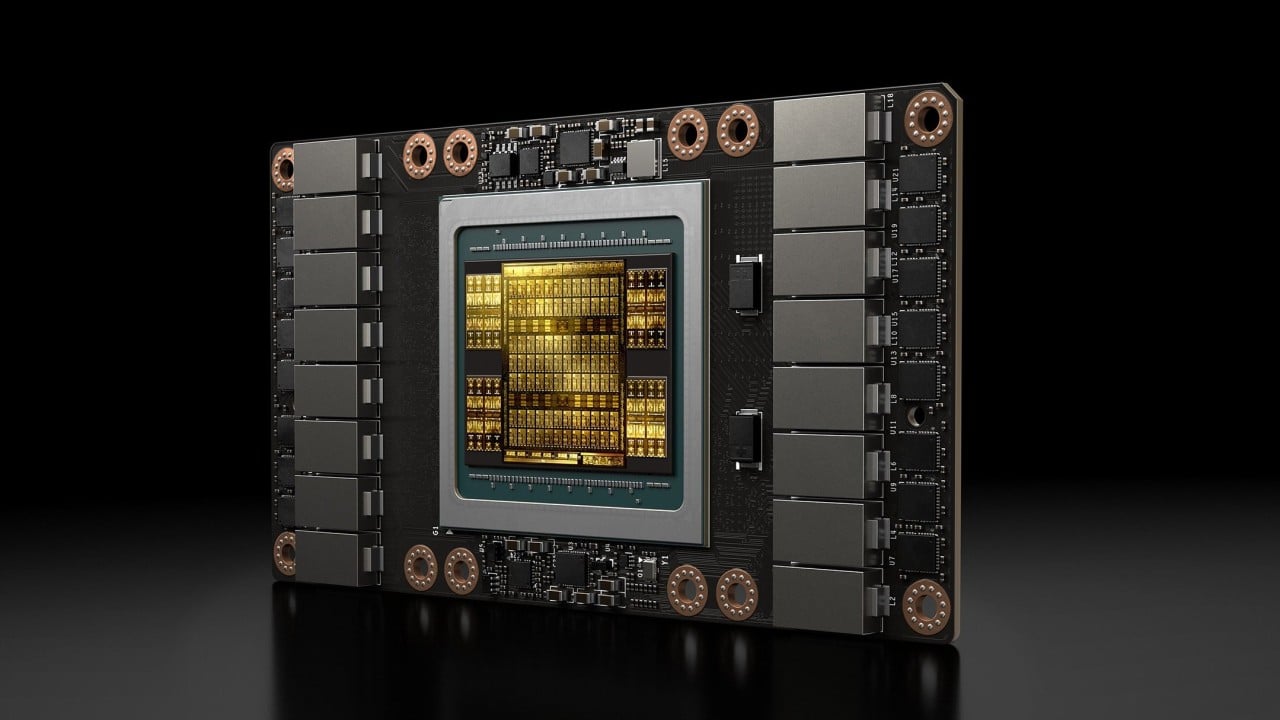
Computing power is handled by three in-house developed Turing AI chips, which XPENG claims offer up to 2,250 TOPS of processing power. The robot runs on a second-generation Vision-Language-Action model designed to compress response times to under 80 milliseconds.
This architecture allows the robot to bypass the slower translation layers used by traditional autonomous systems. It processes visual inputs and translates them directly into physical movements. While this reduces latency, it also increases the risk of unpredictable behavior. A minor error in a visual-processing algorithm could translate instantly into an abrupt physical motion, creating a liability issue in public retail spaces.
Tesla Optimus and XPENG Iron in the Real World
The comparison between Tesla's Optimus and XPENG's Iron is inevitable, but the two programs are built on very different philosophies. Tesla has taken a top-down, generalized approach, focusing heavily on end-to-end foundation models with the long-term goal of sending robots into heavy manufacturing environments.
XPENG, conversely, has taken a highly practical, retail-first path. The company is targeting lower-risk environments like showrooms and light commercial venues first. This is a pragmatic acknowledgment of the current limitations of robotics. It is far safer to have a robot guide a customer through a car showroom than it is to have it work alongside heavy machinery in an active vehicle assembly plant.
Comparing the Humanoid Contenders
┌──────────────────────┬─────────────────────────────┬─────────────────────────────┐
│ Feature              │ Tesla Optimus               │ XPENG Next-Gen Iron         │
├──────────────────────┼─────────────────────────────┼─────────────────────────────┤
│ Primary Target       │ Industrial manufacturing    │ Retail, light commercial    │
│ Deployment Plan      │ Internal factory test lines │ Showrooms in Q1 2027        │
│ AI Architecture      │ End-to-end foundation model │ Multi-brain VLA model       │
│ Battery Technology   │ Standard lithium-ion        │ Solid-state claim           │
└──────────────────────┴─────────────────────────────┴─────────────────────────────┘
However, neither company has established a clear, public path for third-party commercial procurement. While XPENG's targets are more concrete on paper, the underlying technology remains highly experimental.
The Logistics of Mass Producing Humanoids
Manufacturing a humanoid robot requires a level of precision that makes car building look simple. In an automobile, heavy components are bolted to a rigid steel or aluminum frame. In a bipedal robot, those same components must be miniaturized, lightweighted, and placed inside a moving, flexible structure that constantly fights gravity.
The primary bottleneck for the entire humanoid robotics industry is the supply of high-torque, reliable actuators. XPENG claims to develop its key components, including joints and dexterous hands, entirely in-house. This vertical integration is intended to keep costs down and prevent supply chain bottlenecks. Yet, the yield rates for these complex mechanical components are historically low when transitioning to mass production.
A single faulty joint actuator can disable an entire robot, requiring a highly trained technician to disassemble the machine and replace the part. Until XPENG can prove that its 110,000-square-meter Guangzhou facility can produce these precise components with automotive-level reliability, the 1,000-unit monthly production target remains an incredibly optimistic aspiration.
The Geopolitical Battlefield of Automation
The race to dominate the humanoid robotics market is quickly becoming a proxy war for broader technological supremacy. Elon Musk noted that Chinese firms, alongside Tesla, are positioned to dominate this market. This is not flattery; it is an acknowledgment of China's formidable industrial ecosystem.
The supply chains for rare-earth magnets, precision gearboxes, and lithium processing are heavily concentrated in China. This gives XPENG a geographic and logistics advantage that Western competitors simply cannot match. If the company can navigate the engineering hurdles, it can scale production far faster and at a much lower cost than startups operating in Europe or North America.
But this geographic advantage comes with severe geopolitical risks. Shipping advanced robotic systems overseas, especially machines equipped with high-performance AI chips and extensive spatial mapping sensors, will face intense regulatory scrutiny. Governments are increasingly wary of connected Chinese devices operating in public spaces and mapping sensitive environments. XPENG's planned 2027 global rollout will have to navigate a minefield of data privacy regulations, national security reviews, and potential trade barriers.
The dream of an affordable, highly capable humanoid helper in every home is an attractive vision of the future. But the physical realities of gravity, battery life, mechatronic wear, and geopolitical friction are stubborn obstacles. As XPENG pushes toward its 2027 deadline, the coming quarters will show whether this massive shift of capital is the foundation of a new era, or simply a very expensive diversion from the primary business of building cars.