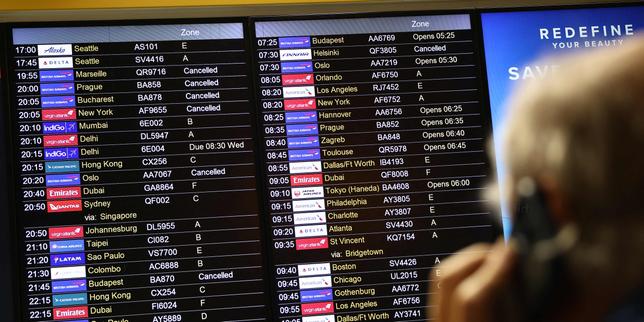
You arrive at Heathrow expecting a smooth journey through security and straight to your gate. Instead, you walk into a sprawling maze of thousands of stranded travelers, snaking queues that spill out into the parking garages, and departure boards flashing red with cancellations. It is overwhelming. Honestly, if you have traveled through London Heathrow recently, you already know the sinking feeling of seeing absolute gridlock before your flight even boards.
People call it unprecedented. They call it a shocking breakdown. But if you look closely at how the busiest airport in Europe operates, this recurring Heathrow airport chaos is entirely predictable.
The Anatomy of a Heathrow Meltdown
Why does a single broken baggage belt or a minor patch of bad weather send shockwaves through terminal buildings that cost billions of pounds? Fragility is the real culprit. Modern aviation runs on razor-thin margins. Airlines, ground handlers, and airport management optimize every single minute to squeeze maximum profit out of aircraft rotations.
When you strip away the corporate PR statements, what you find is an infrastructure bottleneck. Terminals 2, 3, 4, and 5 handle hundreds of thousands of passengers daily. Yet, the physical footprint remains largely constrained by geography and tight planning permissions.
Let us look at what actually triggers these massive disruptions. It rarely starts as a cataclysmic failure. It usually begins with a small hiccup:
- Staff shortages across security lanes or baggage handling teams.
- Outdated legacy IT systems that cannot handle sudden schedule re-allocations.
- Air traffic control restrictions due to minor wind shifts or localized thunderstorms.
- Sudden industrial action or union disputes over pay and working conditions.
When these factors collide during peak travel seasons like summer holidays or Christmas, the system shatters. Ground handlers lack the staff to clear planes quickly, causing gate blocks. Those blocked gates mean incoming flights cannot dock. Passengers sit on tarmac for hours, miss their connections, and the domino effect ruins the entire daily schedule.
The Human Cost of Structural Failure
Statistics on lost baggage and delayed flights matter, but they do not capture the sheer frustration of standing in a queue for four hours without access to water or clear information. I have watched elderly passengers and families with small children sit on terminal floors because seating areas vanished beneath the sheer weight of displaced travelers.
Airlines often point fingers at the airport operator, and the airport operator blames border force or ground handling contractors. Meanwhile, you are stuck in the middle, trying to figure out if your hotel room for the night will be covered or if your checked bag is currently sitting in a random corner of Terminal 5.
Transparency is usually the first casualty of airport chaos. Automated announcement systems churn out vague apologies while live chat agents give conflicting answers. You cannot rely on a single source of truth when a meltdown hits.
What the Travel Industry Refuses to Admit
Executives love to talk about resilience and digital transformation. They spend millions on slick mobile apps designed to notify you of gate changes, yet those same apps crash the moment a major outage occurs.
The structural problem is labor retention. Ground handling and security work are grueling, shift-based, and historically underpaid. When travel demand rebounds sharply after economic slumps, airports scramble to hire workers. They offer low entry wages in high-cost regions like London, leading to high turnover rates and undertrained staff who struggle to manage crisis scenarios.
Until aviation stakeholders invest heavily in fair wages for ground crews and modernize the fragile tech stack connecting airlines to airport logistics, these meltdowns will keep happening. You cannot automate your way out of a severe human labor deficit.
How to Protect Your Journey Through London
You cannot fix Heathrow's systemic problems, but you can stop being a victim of them. Smart travel requires assuming things will go wrong and building a buffer into your plans.
Stop booking tight connections. If you have a layover at Heathrow shorter than three hours on an international itinerary, you are gambling with your sanity. Give yourself at least four hours, especially if you need to switch terminals.
Pack your essentials in your carry-on bag. Medications, chargers, a change of clothes, and critical documents must stay with you in the cabin. If your checked luggage gets lost in the terminal shuffle, you want to survive the first forty-eight hours without a panic attack.
Know your passenger rights. Under UK aviation regulations, airlines must provide food, drink, and hotel accommodation during significant delays. Do not let gate agents tell you otherwise. Keep all receipts if you have to book your own transport or lodging out of pocket, and submit your compensation claims immediately once you reach your final destination.
Download independent flight tracking tools rather than relying solely on airline apps. Real-time radar apps and crowd-sourced community updates will often tell you if your inbound aircraft is even airborne yet, long before the airport staff makes an official announcement.
Expect turbulence in the skies and on the ground. Stay alert, travel light, and keep your expectations realistic the next time you book a flight through London.