Political rhetoric is a powerful thing, but it doesn't build factories or pay assembly line wages. We've heard it for years. The narrative that the United States is riding the wave of the greatest economic expansion in human history gets repeated so often it sounds like a fact.
But if you look at the factory floor instead of the campaign stage, you see a completely different picture. The numbers don't lie, and right now, they show that American manufacturing jobs are quietly slipping away despite aggressive promises to bring them back.
If you are trying to understand why your local community is struggling while the stock market breaks records, this is the missing piece of the puzzle. The disconnect between official economic boasting and reality isn't just a political talking point. It affects real families, real wages, and the future of the American workforce. Let's look at what's actually happening to the factory towns that were promised a golden age.
The Manufacturing Illusion Versus the Data
Every politician loves a good photo op wearing a hard hat. It signals strength, blue-collar roots, and economic patriotism. But the hard data reveals that the sweeping tariff regimes and aggressive corporate tax cuts enacted to supercharge domestic production haven't delivered the promised results.
Take a look at the actual numbers reported by industry trackers and federal agencies. Sixteen months into President Donald Trump's second term, private investment in manufacturing construction has dropped to $15.2 billion, representing a 16% decline since the inauguration.
Even worse, factory employment decreased by 77,000 jobs over that same period, according to reporting from the Financial Times. Think about that for a second. We were promised an explosion of domestic production, yet the country is actively losing factory positions.
The corporate announcements of massive investments make for great headlines, but they don't equal actual economic output. Industry site selection experts like Didi Caldwell have pointed out that corporate press releases don't build wealth. Companies announce nearly $1 trillion in planned investments, but the dollars spent tell the real story. The reality on the ground shows that the long-promised manufacturing renaissance simply isn't happening.
Why Tariffs Aren't Saving Factory Towns
The strategy seemed straightforward on paper. Slap heavy tariffs on foreign goods, make imports expensive, and force companies to build things in America. But economics is never that simple.
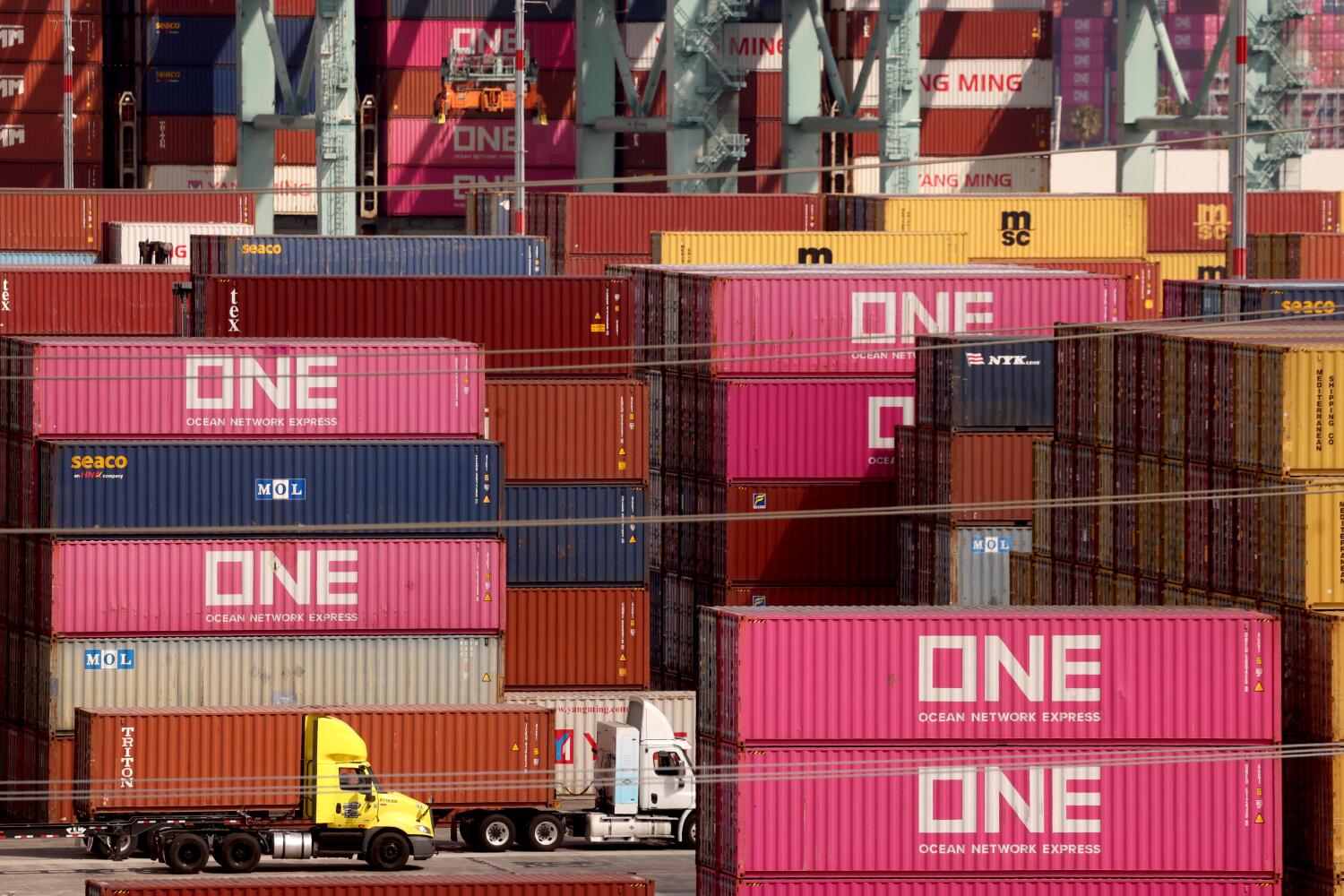
When you put a tariff on foreign steel or aluminum, you might protect a small group of domestic metal producers. But you simultaneously punish every single American company that uses steel or aluminum to make a finished product. Cars, appliances, heavy machinery, and construction projects all become more expensive to build.
Multiple economic studies show that the bulk of these tariff costs are borne by American consumers and domestic businesses, not the foreign countries paying the tax. The higher prices paid for parts and materials end up eating into corporate budgets, which means companies have less cash to hire workers or expand production lines.
It is a classic case of fixing one leak by punching a hole in another part of the boat. While certain commodity areas like steel see modest, temporary bumps, other vital manufacturing sectors plateau or shrink under the weight of trade retaliation and supply chain friction.
Structural Shifts That Politics Can't Fix
The political blame game usually points at bad trade deals or foreign currency manipulation. While those factors matter, they ignore a much bigger structural reality. American factory jobs peaked way back in 1979, when nearly 20 million people were employed in manufacturing. That number has been on a downward trend for nearly half a century.
Why? Because of automation and global competition.
U.S. Private Sector Jobs in Manufacturing:
1950s: ~35%
2026:  ~9.4%
Even when companies do build new plants in the U.S., those factories don't look like the ones your grandfather worked in. They are highly automated facilities run by robotics and advanced software. A plant that used to require 5,000 workers might now run with 500 highly specialized technicians. You can bring the production back to American soil, but you can't easily bring back the millions of manual assembly jobs that vanished decades ago.
There is also a fascinating cultural contradiction in how we view these jobs. A Cato Institute poll revealed that 80% of Americans believe the country would be better off if more people worked in manufacturing. Yet, 73% of those same respondents said they wouldn't want to work in a factory themselves. We love the idea of manufacturing, but the reality of the work doesn't always align with modern workforce expectations.
How to Protect Your Career in a Changing Economy
Waiting for Washington to fix the industrial sector with a single pen stroke is a losing strategy. The economic landscape is shifting, and you need to adapt your own skills to navigate it. If you want to remain resilient in the industrial or technical sectors, focus on steps you can control immediately.
- Pivot toward advanced technical skills: Traditional assembly line roles are shrinking, but demand is growing for workers who can program, maintain, and repair industrial robots and automated systems. Look into local community college certifications for mechatronics or industrial automation.
- Target logistics and supply chain management: Even if products aren't manufactured locally, the movement, storage, and distribution of goods remain massive economic drivers. Skills in inventory management software and logistics coordination are highly transferable.
- Don't rely on political promises: When planning your career or choosing where to live, look at the hard regional data rather than campaign rhetoric. Look for diversified local economies that don't rely entirely on a single manufacturing plant staying open.
The golden age of 1950s factory work isn't coming back, no matter what a politician promises on television. The real manufacturing economy of today requires technical specialization, adaptability, and an understanding that automation is here to stay. Stop waiting for a policy miracle and start building the skills that the modern industrial market actually demands.