In a small, dust-filmed clinic in Malawi, a doctor named Amara stares at a stack of cardboard boxes. They are filled with high-tech diagnostic kits for a respiratory virus that hasn't seen a local case in eighteen months. Outside her window, a line of mothers stretches into the heat, their children shivering with the unmistakable, rhythmic tremors of malaria.
Amara has no antimalarials left. She has plenty of the virus kits, though. They were sent by a massive philanthropic foundation three thousand miles away because a board of directors decided, based on a spreadsheet, that "global pandemic preparedness" was the priority of the fiscal year.
This is the quiet, daily friction of global health. It is a system built on the architecture of the "donor-driven model," a polite term for a power dynamic that feels more like a monologue than a conversation. For decades, the wealthy nations of the Global North have functioned as the architects of survival for the Global South. They provide the money, so they set the agenda. It sounds logical until you realize that the person holding the checkbook rarely feels the red dust of the clinic floor under their shoes.
The Colonial Shadow on the Modern Ward
Wealthy nations often view global health as an act of charity. It isn't. It is a complex web of influence, historical debt, and, too often, an extension of soft power. When a donor country decides to fund a specific disease—say, polio or HIV—they aren't just giving money. They are demanding that a local health system pivot its entire infrastructure to support that one goal.
Consider the hypothetical, yet painfully common, scenario of a "Vertical Program." A donor arrives with $50 million for maternal health. It sounds like a miracle. But that money comes with strings: it can only be spent on maternal health. Suddenly, the best nurses in the country leave the general wards to join the well-funded maternal program because the pay is better. The general surgical ward collapses. The local oxygen supply is diverted. The "gift" has effectively cannibalized the rest of the hospital.
We call this "aid," but for the people on the ground, it often feels like being an extra in someone else’s hero story. The data goes back to Geneva or Washington D.C. to be turned into glossy annual reports. Meanwhile, the underlying health system—the pipes, the electricity, the basic training—remains as brittle as dried parchment.
The Metric That Lies
The problem is rooted in how we measure success. Donors love "lives saved." It is a clean, punchy metric. If you buy ten million bed nets, you can calculate an estimated impact and put it on a slide deck.
But you cannot easily measure "resilience." You cannot put a flashy number on the fact that a local health ministry now has the sovereign ability to manage its own supply chain. Dependence is easy to fund; independence is terrifying to a bureaucracy that needs to justify its existence every quarter.
Statistical success often masks a structural failure. If a country’s entire vaccination budget comes from outside its borders, that country is not "developing." It is being sustained on a ventilator. The moment the donor’s domestic politics shift—when an election happens in Europe or an economic dip occurs in North America—the ventilator is unplugged. We saw this during the COVID-19 pandemic when "vaccine nationalism" saw wealthy countries hoarding doses while lecturing the rest of the world on the importance of global cooperation.
The hypocrisy was not lost on anyone. It broke the last remaining shards of trust.
Flipping the Table
A movement is growing. It doesn't have a catchy marketing slogan yet, but it is fueled by a desperate, righteous exhaustion. It is the push for "decolonizing" global health.
This isn't about rejecting money. It is about shifting the seat at the head of the table. True rebalancing means that the people who live with the diseases are the ones who decide how to fight them. It means moving from "donors and recipients" to "partners."
Think about the way we handle a house fire. You don't call the neighbors and wait for them to vote on which brand of extinguisher they’d like to buy you while your kitchen is in flames. You want the tools in your own garage. You want to know how to use them.
The shift requires three painful, necessary changes in the way the world operates.
First, we must move toward unrestricted funding. Donors hate this. It means giving money to a local health department and saying, "You know your problems better than we do. Use this where it’s needed." It requires trust—a commodity that is currently in shorter supply than penicillin.
Second, the manufacturing of life-saving goods—vaccines, medicines, equipment—must be localized. As long as the patent rights and the factories stay in the Global North, the Global South remains a customer, never an equal.
Third, we have to stop the "brain drain" that the donor model encourages. When we fund specific, high-paying projects instead of the core civil service, we lure the brightest minds away from the very places that need them most. We turn doctors into data-entry clerks for international NGOs.
The Invisible Stakes
Why should a person in London or New York care about the administrative structure of a clinic in Lilongwe?
Self-interest is the most honest answer.
Pathogens do not respect sovereignty. They do not care about "donor cycles." When we keep health systems in a state of perpetual, fragile dependence, we create the perfect breeding ground for the next global catastrophe. A weak health system anywhere is a leak in the hull of the ship everywhere.
But beyond the fear of the next pandemic, there is a moral weight that we’ve ignored for too long. There is a specific kind of indignity in having to beg for the right to solve your own problems.
Amara, the doctor in Malawi, doesn't want a shipment of kits she didn't ask for. She wants a reliable power grid so her vaccines don't spoil when the lights go out. She wants the authority to tell the billionaire foundations, "No, that’s not what we need this year."
The End of the Hero Complex
The era of the "Great White Savior" in global health is dying, though it is putting up a fight. It’s a comfortable role to play. It feels good to fly into a crisis, distribute some goods, take some photos, and fly home. It feels much harder, and much less glamorous, to do the slow, grinding work of dismantling the power structures that made the crisis so devastating in the first place.
We are moving toward a world where the "donor" disappears and the "investor" takes their place. Not an investor looking for a financial dividend, but one looking for a social one: a world where every nation has the sovereign capacity to protect its own people.
The transition is messy. It is full of friction. There are valid concerns about corruption and mismanagement in local governments, but those concerns are often used as a convenient excuse to maintain the status quo. Corruption exists everywhere—including in the high-rise offices of the global donor class, where billions are lost to "consultancy fees" and "administrative overhead" before a single cent ever reaches a patient.
The real test of our progress won't be a new treaty or a record-breaking fundraising gala.
It will be the day a doctor like Amara looks at her supply room and sees exactly what she ordered, paid for with her own country's budget, supported by a global community that finally learned how to listen.
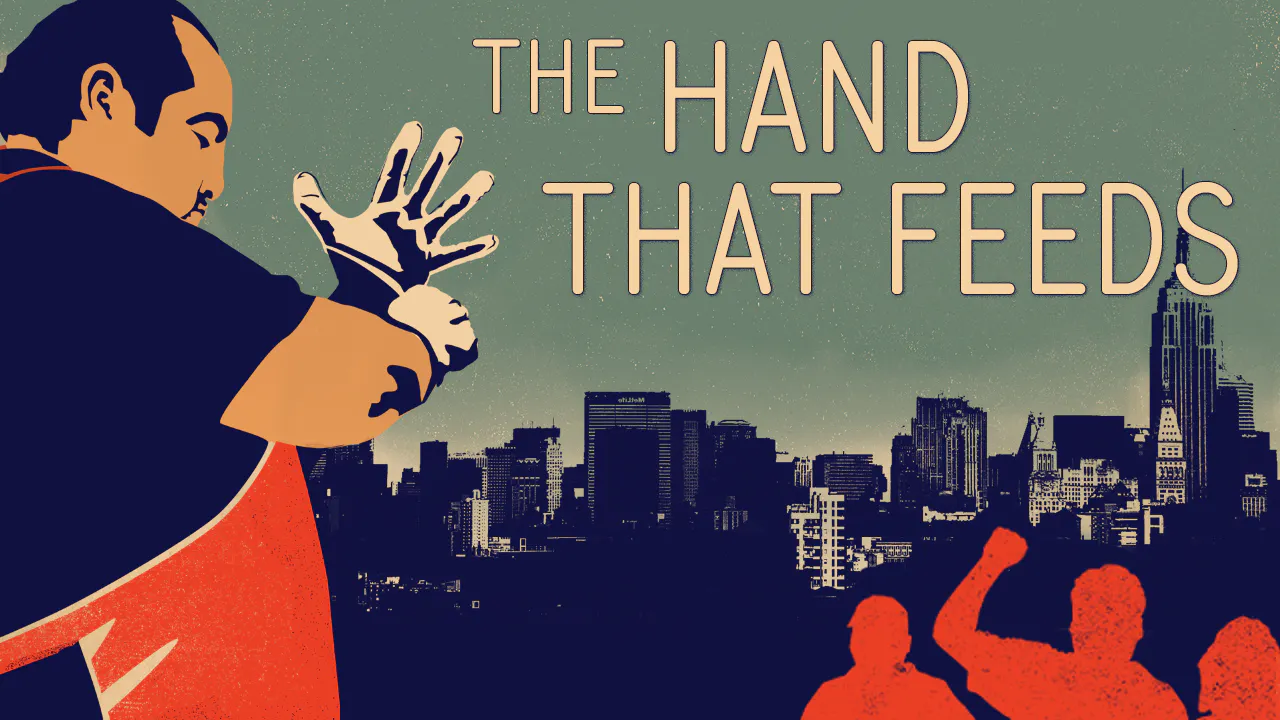
The hand that feeds has held on so tightly for so long that it has started to choke the life out of the very systems it claims to support. It is time to let go. Not to walk away, but to stand back and allow the people on the ground to lead the way.
The sun is setting on the age of the donor. It’s about time. Night is falling, and in the quiet of the clinic, the only sound should be the steady, healthy breathing of a child who didn't have to wait for a distant board of directors to decide if their life was a priority this quarter.