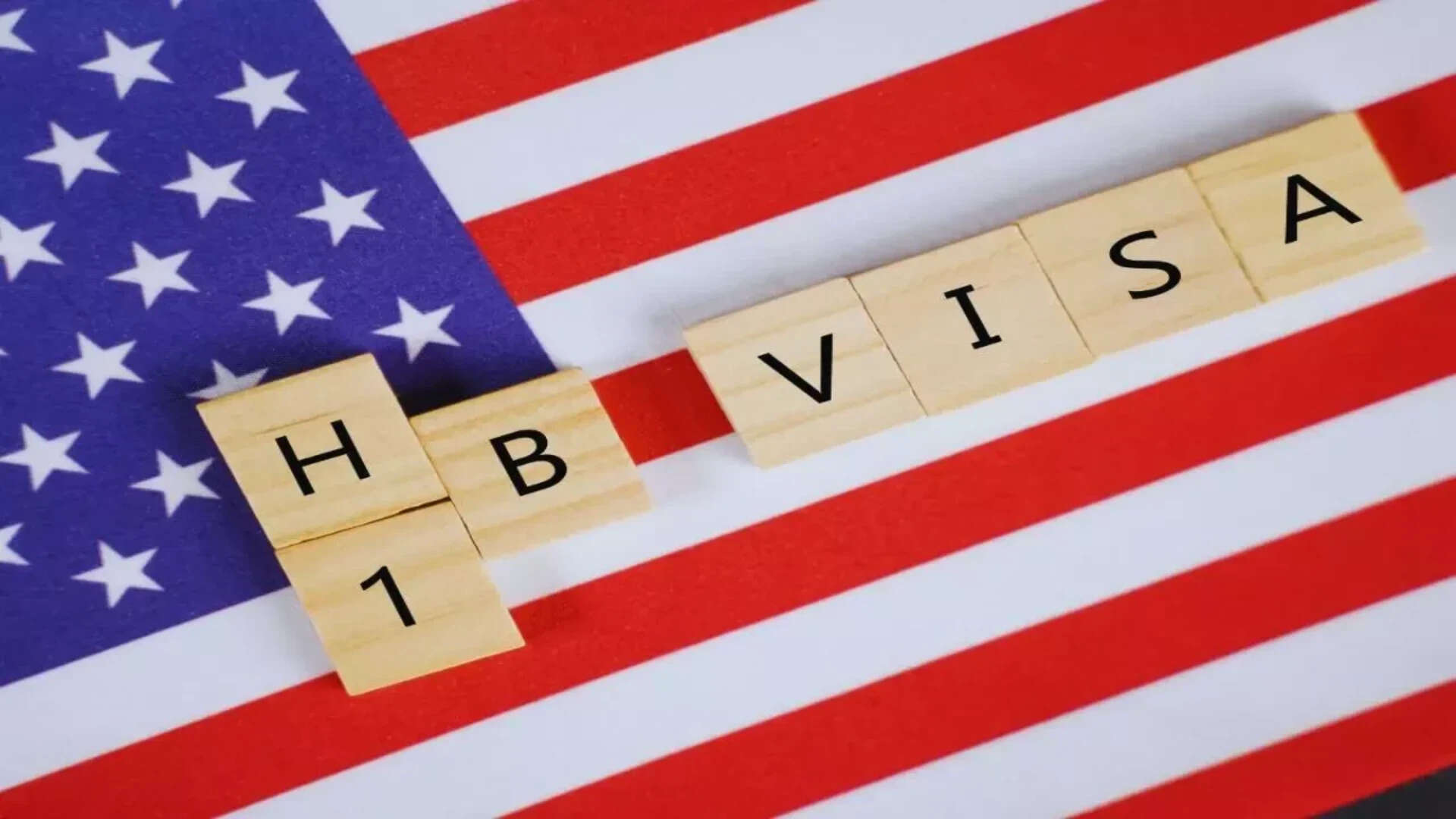
Starting today, the math for hiring foreign talent in the United States just got a lot more expensive. If you’re an H-1B worker or an employer relying on them, the Department of Labor (DOL) didn't just tweak the system; they’ve fundamentally shifted the goalposts. A new proposed rule, issued on March 26, 2026, aims to aggressively hike prevailing wage minimums across the board.
We aren't talking about a cost-of-living adjustment. We're talking about a structural overhaul that forces entry-level wages to jump to what used to be the "qualified" tier. If this sticks, the days of hiring a junior developer at the 17th percentile of local wages are over. You're now looking at the 34th percentile—minimum.
Why the Department of Labor is squeezing the system
The logic from the DOL is blunt. They argue that the current four-tier wage system artificially depresses U.S. worker pay by allowing companies to hire foreign nationals at rates significantly lower than the local median. By raising the floor, the government wants to "protect U.S. workers" and ensure that H-1B visas are used for truly high-skilled, high-paid talent rather than cheap labor.
Honestly, it’s a revival of a policy we saw years ago that was eventually blocked by the courts. But this time, it’s landing in a much more aggressive regulatory environment. The administration isn't just asking for more money; they’re trying to make the H-1B program a premium-only service.
The new wage percentiles by the numbers
Let’s look at the actual damage to the balance sheet. The DOL uses Occupational Employment and Wage Statistics (OEWS) to set four levels of pay based on the job’s complexity. Under the proposed rule, every single level sees a massive jump.
- Level I (Entry Level): Jumps from the 17th percentile to the 34th percentile. This effectively makes the old Level II the new starting point.
- Level II (Qualified): Moves from the 34th percentile to the 52nd percentile. You’re now paying above the local median for someone with only moderate experience.
- Level III (Experienced): Climbs from the 50th percentile to the 70th percentile.
- Level IV (Fully Competent): Escalates from the 67th percentile up to the 88th percentile.
Think about that last one. For a senior architect or lead engineer, an employer must now pay more than what 88% of people in that same city and role earn. In tech hubs like San Jose or New York, those numbers are eye-watering.
A double blow for the 2026 cap season
This wage hike doesn't exist in a vacuum. It’s hitting right as the new wage-weighted lottery system takes effect. For the FY 2027 season, your odds of even getting a visa are tied to your wage level.
If you're at Level IV, you get four entries into the lottery. Level I? You get one.
Employers are now caught in a pincer movement. To get a high chance of selection, they have to promise a Level III or IV wage. But with the new DOL rule, those Level III and IV wages are tens of thousands of dollars higher than they were last year. It’s a pay-to-play system where the entry fee just tripled. When you add the $100,000 fee for beneficiaries outside the U.S. (unless they’re doing a change of status), the cost of a single H-1B worker could easily cross a quarter-million dollars before they even write their first line of code.
The ripple effect on tech and startups
Large corporations like Google or Meta might swallow these costs, but for a mid-sized firm or a growing startup, this is a "keep out" sign. If a startup needs a specialized AI researcher but can only afford a mid-range salary, they’re effectively locked out of the H-1B pool.
Many companies will likely stop sponsoring Level I roles entirely. Why would a firm pay the 34th percentile plus legal fees and lottery risks for a fresh graduate when they can hire a local candidate for less? The unintended consequence is that the "brightest minds" we claim to want—the international students graduating from top U.S. universities—are being priced out of their own first jobs.
What about private surveys?
The DOL is still allowing the use of private wage surveys, which is a small mercy. If you can prove through a reputable third-party survey that the "real" market rate is lower than the government’s inflated OEWS numbers, you might have a path. However, the DOL has already signaled they’ll be "monitoring" these surveys with a magnifying glass. Don’t expect them to be a get-out-of-jail-free card.
Compliance is no longer a checkbox
If you're an employer, you can't just pick a wage level and hope for the best. The new Form I-129 (effective April 1, 2026) asks specific questions about education, experience, and supervisory duties. If you claim a worker is "Level I" to save money, but the job description requires five years of experience, USCIS will reject the petition faster than you can say "audit."
The reverse is also dangerous. If you inflate the wage level to Level IV just to win the lottery, but the job is actually entry-level, you’re committing fraud. The government is looking for "process integrity," which is code for "we’re looking for any excuse to deny you."
Immediate steps for employers and workers
The 60-day public comment period is the only window left to slow this down. Trade groups like the U.S. Chamber of Commerce are already sharpening their legal pencils, but don't count on a court injunction to save your 2026 filings.
- Audit your current LCAs. Any extension filed after the rule’s effective date will likely be subject to these new, higher rates.
- Recalculate your lottery strategy. If you were planning to enter 50 candidates at Level II, see if your budget survives them being pushed to the 52nd percentile.
- Prioritize Change of Status. Since the $100,000 "overseas" fee is so high, focus on candidates already in the U.S. on F-1 or O-1 visas to keep total costs manageable.
This rule represents a fundamental shift in American immigration policy toward a "high-wage only" model. It’s a gamble that the U.S. economy can survive without the steady stream of junior-to-mid-level international talent that has fueled the tech sector for decades.
Start by pulling the latest OEWS data for your specific SOC codes and zip codes. Use the new percentiles to see exactly how much your payroll is about to spike. If the numbers don't work, you need to start looking at alternative visa categories or O-1 "extraordinary ability" pathways before the H-1B window slams shut.