The American dream for high-skilled tech immigrants is broken. If you look at the tech ecosystem today, the foundational building blocks were laid down by foreign-born founders and early employees who arrived on the H-1B visa program. But if those exact same people tried to come to America right now, the system would reject them.
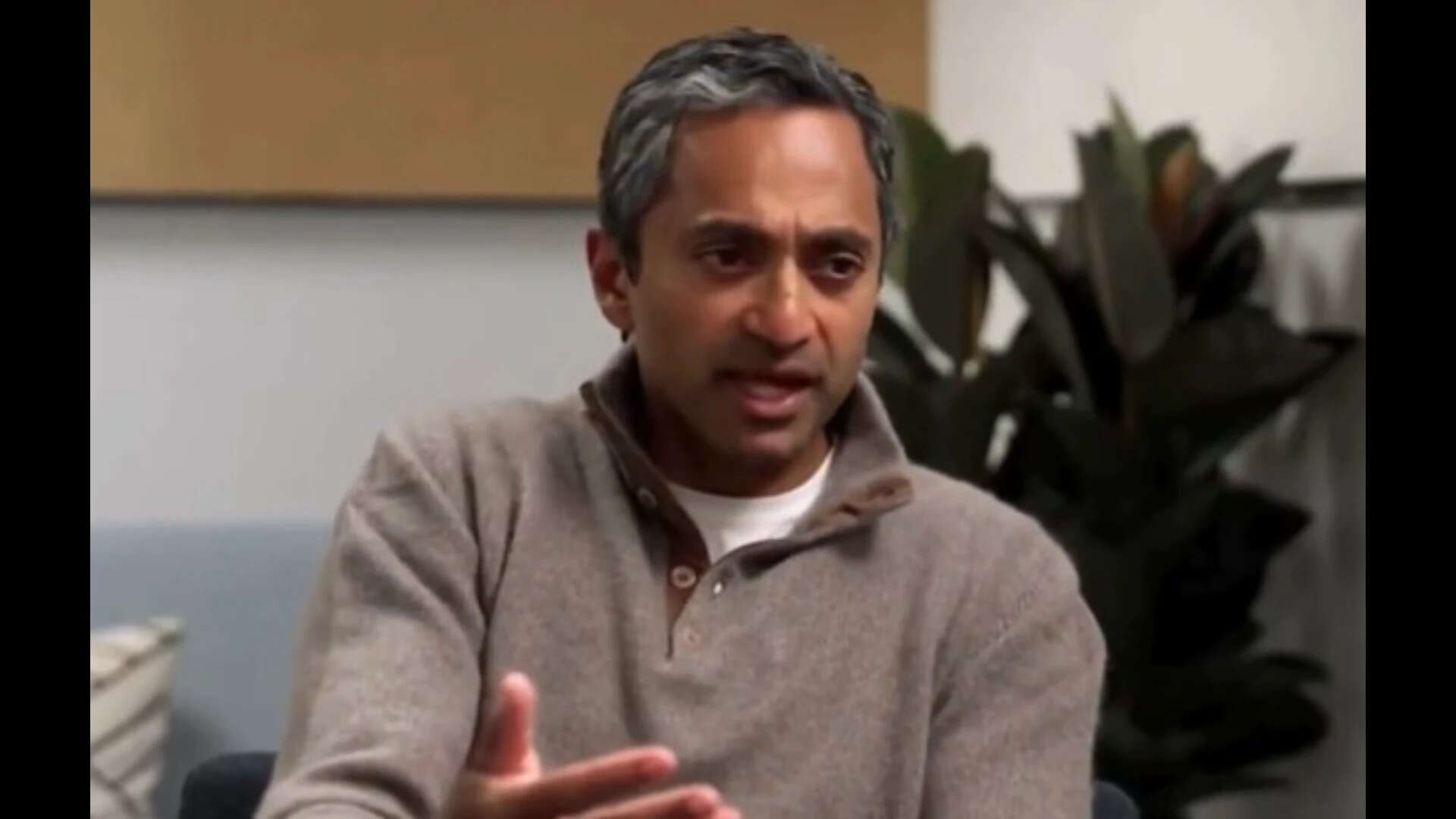
That is not an exaggeration. Venture capitalist and billionaire Chamath Palihapitiya recently pointed this out on the Axios Show, throwing a harsh spotlight on how the current legal immigration framework actively locks out elite global talent. Palihapitiya, an early Facebook executive and founder of Social Capital, went so far as to call himself "irrelevant" compared to the tech titans the older visa system used to protect. He noted that both he and Elon Musk relied on the H-1B visa in the early 2000s to build their careers in the United States.
The problem is that the path they took no longer exists in any functional form. The visa lottery has transformed into an easily gamed lottery system that values volume over sheer capability, and the long-term impact on American innovation is going to be brutal.
The Era When Genius Just Showed Up
When Palihapitiya and Musk were navigating their early careers, the H-1B landscape looked entirely different. In the late 1990s and early 2000s, there were periods when the annual supply of visas actually outpaced demand.
Palihapitiya arrived from Canada, while Musk used an H-1B to transition his legal status while building his earliest web startups, Zip2 and PayPal, after studying at the University of Pennsylvania. It wasn't just them. Early tech pillars like Urs Hölzle, the legendary Swiss software engineer who became Google's eighth employee and designed its infrastructure, relied on the exact same legal pipeline.
"Nobody was applying for these things," Palihapitiya recalled during his interview. "And who did you have? Forget about me, I’m irrelevant, but you had guys like him, you had these incredible scientists... these are giants."
Back then, if a startup found a generational talent overseas, they could sponsor them with a high degree of certainty. The process was straightforward because the application pool wasn't clogged. Today, an elite artificial intelligence researcher from Oxford or a brilliant hardware engineer from IIT faces the exact same random lottery odds as an entry-level IT contractor.
How Application Farms Rigged the Lottery
The math behind the modern H-1B system explains exactly why the process is falling apart. The United States caps the number of cap-subject H-1B visas at 85,000 per year. That includes 65,000 for general applicants and a 20,000 bonus pool for individuals holding advanced degrees from American universities.
In recent years, total registrations have skyrocketed toward 800,000.
This explosion in numbers isn't because the world suddenly got ten times smarter. It's because outsourcing firms and specific consulting companies figured out how to flood the registry. By submitting multiple registrations for the same individual through different shell corporate entities, these "application farms" artificially multiplied their chances of winning a slot.
The results of this manipulation on the ground have been severe:
- Extreme Luck Dependency: The odds of an individual application getting selected plummeted to single digits.
- Wage Suppression: Instead of attracting high-earning top-tier innovators, a massive chunk of visas went to entry-level tech workers willing to accept below-market wages.
- Public Backlash: Regular American workers saw the influx of mid-level tech labor and associated the entire program with corporate greed and wage stagnation.
Palihapitiya directly addressed the public anger that fills social media feeds, acknowledging that critics often lump him into the problem. "They see the people that show up and they’re like, 'This person is not smarter than me. All I can see is wage suppression.'"
When an immigration program stops looking like a talent magnet and starts looking like a corporate loophole, public trust vanishes.
The Total Cost of Shutting Out Elite Builders
If you talk to early-stage venture capitalists or founders in Silicon Valley today, the frustration is identical. The current lottery system acts as a barrier to entry for the exact type of founders who create net-new jobs for Americans.
When a system rejects roughly 90% of its applicants indiscriminately, the high-value outliers leave first. The absolute best engineers and scientists aren't going to spend years dealing with bureaucratic uncertainty, arbitrary Requests for Evidence (RFEs), or massive fees when other countries are actively rolling out the red carpet.
Countries like Canada, the UK, and Australia have created highly targeted, points-based immigration pathways specifically designed to poach tech talent stuck in the US immigration bottleneck. By forcing high-potential founders out, the US is outsourcing its future tax base and technological dominance to international competitors.
To fix this, the immigration framework needs a tourniquet to stop the administrative bleeding. Simply continuing to run a broken lottery and hoping for the best means the next generation-defining founder will build their company somewhere else.
Real Actions for Founders Navigating the Current System
If you are a tech founder or a highly skilled professional trying to build a career in the US right now, you cannot rely on the basic H-1B lottery. It is too volatile. You have to look at alternative legal strategies that bypass the entry-level bottleneck entirely.
First, look closely at the O-1A Visa for Extraordinary Ability. Unlike the H-1B, the O-1 has no annual cap and no lottery. It requires proving you are at the top of your field through criteria like published research, venture funding, high salaries, or press coverage. Tech founders are increasingly using this path because immigration premium processing can yield an approval in weeks rather than months.
Second, consider the L-1 Intra-Company Transfer Visa. If you run an international startup or work for a global firm, establishing an office abroad and working there for at least one continuous year allows you to transfer to a US branch as an executive, manager, or specialized knowledge worker. This completely avoids the H-1B cap.
Finally, keep a close watch on the National Interest Waiver (EB-2 NIW) for permanent residency. The US government frequently updates its guidance to fast-track advanced degree holders in critical fields like AI, quantum computing, and clean energy. If your work directly impacts American technological competitiveness, you can self-petition for a green card, skipping the lengthy labor certification process entirely.
The system won't fix itself overnight. Relying on luck is a losing strategy, so you have to build a profile that qualifies you for pathways based on actual merit.


