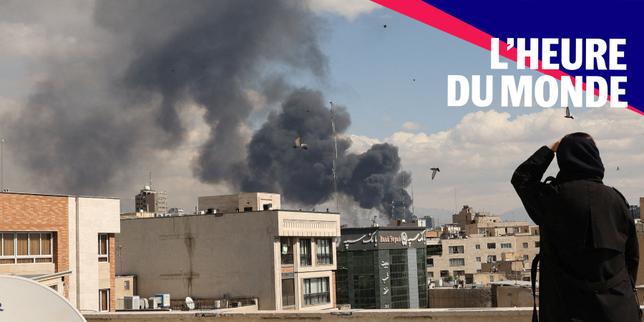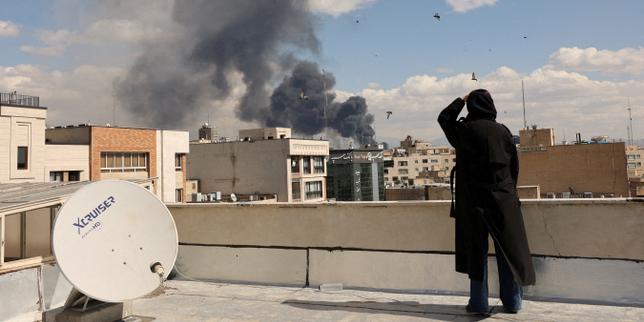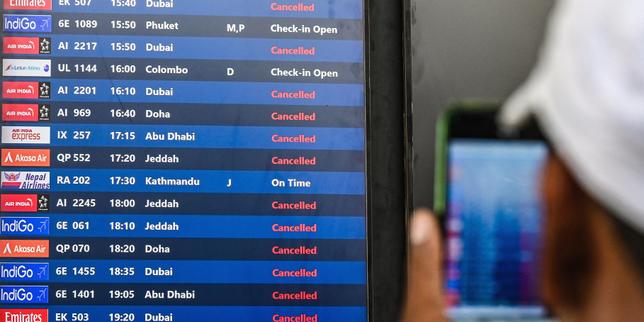
The dream of the seamless global connection is hitting a wall of smoke and metal. For decades, the strategy for Emirates, Qatar Airways, and Etihad was simple: use the geography of the Persian Gulf to link the world. It worked. Dubai became the busiest international airport on the planet by being the ultimate middleman. But when missiles start flying between Israel and Iran, that "perfect" geography starts looking like a strategic trap.
We’re seeing a massive shift in how the world flies. It’s not just about a few canceled flights to Tehran or Beirut anymore. We are witnessing the physical constriction of the world's most important transit corridor. When the airspace over Iran shuts down or becomes a "no-go" zone for Western-insured carriers, the ripples don't just hit the Middle East. They hit a traveler trying to get from London to Sydney or a cargo shipment moving from Mumbai to Frankfurt.
The Geography of a Bottleneck
If you look at a flight map, the Persian Gulf sits in a tight squeeze. To the north, you have the massive expanse of Iran. To the west, the ongoing complexities of Iraqi and Syrian airspace. When tensions spike, as they have following recent strikes and counter-strikes involving Iran, the "safe" corridors for civil aviation vanish.
It’s a logistics nightmare. Airlines can’t just "fly around" the problem without massive consequences. If an Emirates flight from Dubai to London has to avoid Iranian and Iraqi airspace, it’s forced into a detour over Saudi Arabia and Egypt. That adds time. It adds fuel. In an industry where profit margins are thinner than a boarding pass, an extra 45 minutes of flight time across a fleet of A380s represents a catastrophic hit to the bottom line.
Why You Should Care About Closed Skies
You might think this only affects people flying to the Gulf. It doesn't. The "hub and spoke" model means that if Dubai (DXB) or Doha (DOH) gets backed up because of airspace restrictions, the entire global network stutters.
- Fuel Surcharges: When planes fly longer routes, you pay for it. Expect "security surcharges" to creep back into ticket prices.
- Missed Connections: Tight 90-minute layovers in Qatar become impossible when the incoming flight from Bangkok had to dodge a geopolitical hotspot.
- Cargo Delays: A huge amount of the world's high-value electronics and pharmaceuticals move in the bellies of passenger planes through these hubs.
The Iran Factor in Aviation Safety
Insurance companies are the real shadow players here. They don't care about diplomacy; they care about risk. After the 2020 downing of Ukraine International Airlines Flight 752 and the more recent escalations, the "war risk" premiums for flying near Iranian airspace have skyrocketed.
Even if the airspace is technically "open," many carriers won't use it. Lufthansa and British Airways are often the first to pull out, citing safety protocols. This leaves the Gulf carriers in a bind. Do they keep flying the shorter routes to maintain their competitive edge, or do they follow the Western lead and tank their schedules? Currently, we’re seeing a fragmented reality. Some fly, some don't. It's a gamble every time a transponder blips over the Zagros Mountains.
The Strategic Vulnerability of the Hubs
Dubai and Doha aren't just airports; they're the engines of their respective economies. If the "hub" stops moving, the city-state feels the friction immediately. The recent strikes against Iranian infrastructure and the subsequent threats of retaliation have created a "wait and see" atmosphere that is poison for tourism and business travel.
I’ve talked to industry analysts who point out that the Gulf carriers have spent billions branding themselves as the most reliable way to see the world. That brand takes a hit when your hub is 500 miles away from a potential ballistic missile exchange. The sheer density of aircraft in the Gulf—sometimes hundreds of planes in a very small patch of sky—makes the "collateral damage" risk terrifyingly high.
Fuel Costs and the Long Detour
Let’s talk numbers. A Boeing 777-300ER burns roughly 7,500 kg of fuel per hour. If a flight from Singapore to London has to reroute to avoid the entire Middle Eastern conflict zone, adding two hours to the trip, that’s 15,000 kg of extra fuel. At current jet fuel prices, you’re looking at an additional $12,000 to $15,000 per flight. Multiply that by 50 flights a day. The math doesn't work for long.
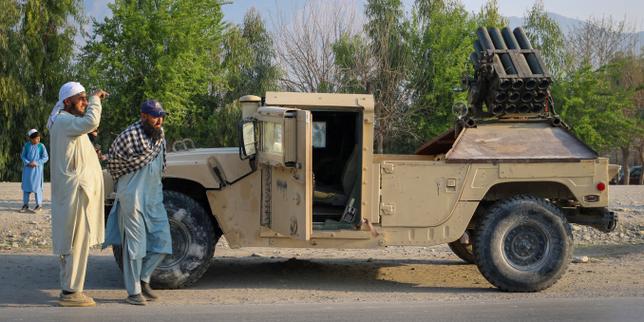
The airlines are trying to put on a brave face. They’ll tell you "operational adjustments" are normal. Honestly? They’re scrambling. They are rerouting planes over Tajikistan and Afghanistan—airspace that was considered a "no-go" just a couple of years ago—simply because it's the lesser of two evils compared to a live missile corridor.
What Happens if the Shutdown Lasts
If the strikes against Iran lead to a prolonged closure of its airspace, we will see a permanent shift in flight paths. The "Great Circle" routes that made the Gulf hubs so successful are being bent out of shape. We might see a resurgence of direct "ultra-long-haul" flights that bypass the Middle East entirely—think Sydney to London direct, or New York to Singapore. These flights are expensive, but they offer something the Gulf currently can't: predictability.
Check your flight status through independent trackers like FlightRadar24 rather than relying solely on airline apps, which can be slow to update during active airspace closures. If you're booking travel between Europe and Asia, look at the flight path. If it cuts through the heart of the Persian Gulf, build in a four-hour buffer for your connections. The era of the 60-minute "easy" transfer in Dubai is on life support until the missiles stay in their silos.