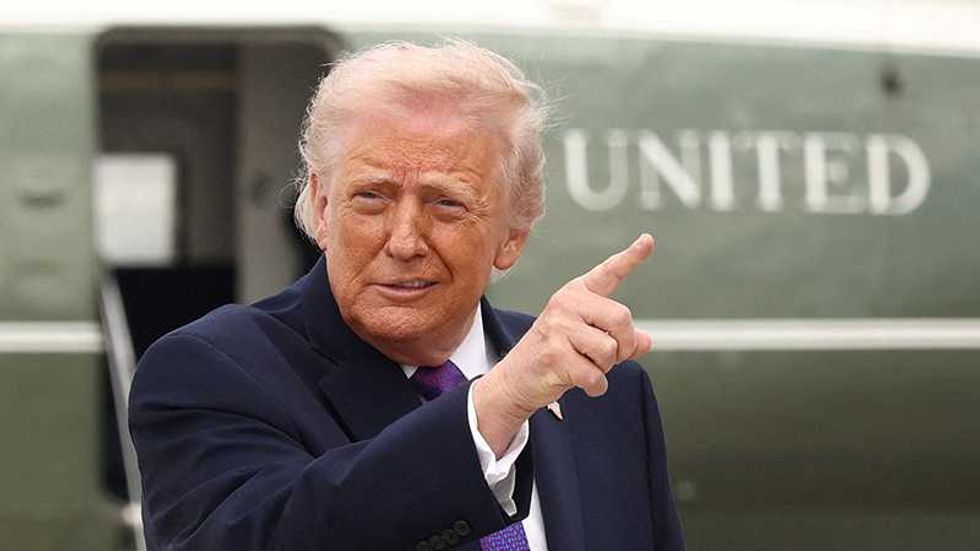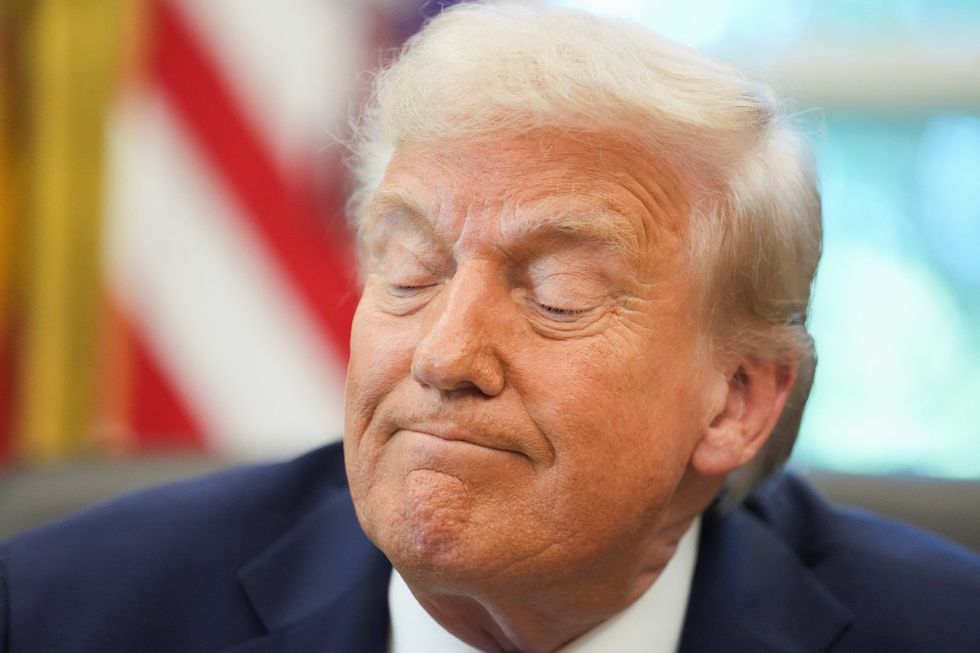
The Resolute Desk is not just furniture. It is a six-figure weight of oak and history that anchors the person sitting behind it to the floor of the Oval Office. When the red phone lines begin to hum with reports of ballistic trajectories and regional escalation, that weight becomes literal. For Donald Trump, the current crisis in the Middle East is not a white paper or a briefing slide. It is a physical tug-of-war, a relentless pulling of his sleeves by two different worlds, two different ideologies, and two different versions of the future.
One room is filled with the hawks. They speak the language of "deterrence" and "proactive defense." To them, the map of the Middle East is a series of pressure points. They argue that if you don't push back now—if you don't meet the drone strikes and the proxy maneuvers with overwhelming, undeniable force—the vacuum will be filled by chaos. They see a world where American strength is the only thing keeping the lid on a boiling cauldron. For these advisors, the lesson of history is clear: weakness invites aggression. They want the steel. They want the show of force.
Then there is the other room. This room is filled with the ghosts of 2016 and the promises of "America First." These voices remind the President of the rallies in small towns where mothers and fathers asked why their children were still patrolling deserts thousands of miles away. They speak of "forever wars" and the trillion-dollar price tags of nation-building. They argue that getting sucked into a spiral with Iran is a trap—a legacy-killing quagmire that drains the nation’s treasury and its soul. To them, the real strength is the restraint required to walk away from a fight that isn't ours.
Trump sits between them. Alone.
The facts on the ground are jagged. We are seeing a rhythmic, terrifying metronome of escalation. It starts with a regional proxy, moves to a direct strike, and ends with a cabinet meeting where the options on the table range from "diplomatic protest" to "kinetic action." Imagine a hypothetical young sergeant stationed at a remote base in Jordan or Iraq. For that sergeant, these high-level debates aren't abstract. They are the sound of a siren at three in the morning. They are the split-second decision to dive for cover. When we talk about "war spiraling," we are talking about the heartbeat of that soldier.
The struggle within the administration is a mirror of a deeper fracture in the American psyche. We are a nation tired of the sand, yet terrified of losing our standing. We want to be the superpower, but we don't want to pay the butcher’s bill. This isn't just a political dilemma for a president; it’s a fundamental identity crisis. Are we the global policeman or the fortress on the hill?
Consider the mechanics of a spiral. It isn't a straight line. It’s a circle that gets tighter and faster with every rotation. A drone hits a base. A missile hits a warehouse. A rhetoric-heavy speech is delivered in Tehran. A carrier group moves into the Mediterranean. Each action feels like a justified reaction to the previous one, but the sum total is a descent. The danger for Trump is that the momentum of the spiral eventually exceeds the strength of the person trying to stop it.
The "hawk" faction argues that Iran only understands the language of the fist. They point to the 2020 strike on Soleimani as proof that a sharp, decisive blow can reset the board. But the "restraint" faction counters that the world of 2026 is different. The alliances are messier. The technology is cheaper and more lethal. A "short, sharp strike" in the modern era has a nasty habit of turning into a decade-long commitment.
The invisible stakes here aren't just about oil prices or geopolitical influence. They are about the precedent of the office. If a president allows himself to be steered by the momentum of the military-industrial complex, he loses his agency. If he allows himself to be paralyzed by the fear of escalation, he loses his authority. It is a razor’s edge.
The tension is visible in the public messaging. One day, the rhetoric is fire and brimstone, designed to satisfy the base and signal resolve to America's allies. The next day, there is a sudden pivot toward negotiation, a hint that a "deal" is always possible. This isn't just a strategy of unpredictability. It is the sound of those two rooms fighting for the President’s ear in real-time.
Behind the scenes, the logistics of war are already moving. Logistics are cold. They don't care about campaign promises. They care about fuel tonnages, deck space, and transit times. Once the machine is set in motion—once the gears of a major military deployment start turning—it becomes an entity of its own. It is very hard to tell a moving mountain to stop.
The human element is often lost in the "breaking news" banners. We see maps with red arrows pointing at cities, but we don't see the families in those cities who are wondering if tonight is the night the sky falls. We don't see the junior officers in the Pentagon who are staying up until dawn, drafting contingency plans for scenarios they pray never happen.
Trump’s greatest challenge isn't the adversary in Tehran. It is the internal friction of his own mandate. He was elected to break the mold, to stop the cycle of intervention. Yet, he sits at the head of a machine designed for exactly that. Every time he leans toward the hawks, he risks alienating the people who put him in power to bring the troops home. Every time he leans toward the isolationists, he risks looking vulnerable on the world stage—a cardinal sin in his personal political theology.
The spiral continues to spin. The voices in the two rooms continue to shout.
In the center of it all, the man at the Resolute Desk has to decide which version of America he wants to lead. Is it the America that swings the hammer, or the America that puts the hammer down and walks into the sunlight? The tragedy of the presidency is that by the time you realize which choice was right, the spiral has often already reached the bottom.
Night falls over the Potomac. The lights stay on in the West Wing. Somewhere, a drone is being fueled. Somewhere else, a diplomat is drafting a message that will never be sent. The tug-of-war continues, and the rope is fraying.