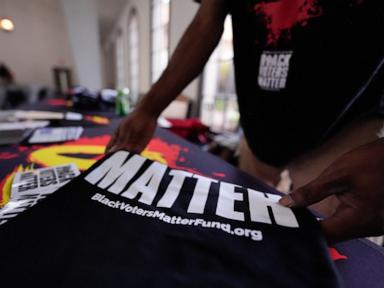
Elections aren't won on television ads alone. They are won by the exhausted organizers knocking on doors, processing voter registrations in community centers, and building trust in neighborhoods that politicians usually ignore. Right now, those grassroots networks are facing a brutal financial crunch. Voting rights organizations and civic engagement groups are sounding severe alarms over shrinking donor funding, warning that these shortfalls threaten to depress turnout precisely when every single vote matters most.
If you look past the glossy national polling and millions spent on cable television spots, the ground-level reality looks entirely different. Nonpartisan groups working to mobilize youth, rural communities, and voters of color are operating on razor-thin margins. When funding dries up, the ground game stops. Door-knocking operations shrink, translation services for non-English speakers disappear, and digital mobilization campaigns stall out.
The Real Cost of Silent Checkbooks
Major philanthropic donors and wealthy political contributors often suffer from fatigue or shifting priorities. They love to splash cash during high-stakes presidential cycles, but they tend to abandon the field during midterms. That's a massive strategic mistake. Midterm elections dictate the balance of power in Congress, state legislatures, and governorships.
When independent voter mobilization groups cannot raise the capital needed to run robust operations, participation drops among specific demographics. Historically, low-income voters, young adults, and minority populations bear the brunt of this disinvestment. Without boots on the ground explaining how to navigate strict registration deadlines or new voting laws, thousands of potential voters simply stay home.
Organizers on the front lines point out that fundraising has become uniquely hostile for groups advocating for marginalized communities. Donors worry about political blowback, intense public scrutiny, or retaliatory legal attacks from partisan opponents. This chilling effect starves effective local organizations of the operational funds they need to counter misinformation and protect the ballot.
Why National Media Misses the Ground Game
National coverage usually treats voter turnout as a passive reaction to national economic indicators or presidential approval ratings. Analysts ask whether voters are happy or angry, as if ballots cast themselves based on a mood ring.
That perspective ignores the mechanics of democracy. People don't automatically know where their polling place moved, how to fix an invalid signature on a mail-in ballot, or how to register before local deadlines close. Grassroots organizations bridge that gap. They answer questions, provide rides to the polls, and build community confidence.
When funding cuts force these groups to lay off staff or scale back operations, the invisible safety net of American democracy frays. A voter who might have participated if given a reminder text or an in-person conversation often slips through the cracks.
What Happens When Infrastructure Crumbles
Electoral power relies on continuity. You cannot spin up a massive, trusted mobilization machine in three weeks before an election. It takes months—sometimes years—of continuous community engagement to build the kind of trust that converts frustrated residents into active voters.
When funding shortfalls force organizations to reset their operations every two years, they lose institutional memory. Experienced staff leave for stable jobs, local contacts go cold, and databases become outdated. Rebuilding that infrastructure from scratch costs more time and money than maintaining it year-round.
Fixing this structural flaw requires a complete rethink from philanthropic institutions and major donors. Treating civic engagement like a seasonal pop-up shop leaves the electoral system vulnerable. Democracy requires year-round maintenance, and until major funders realize that community-level organizing is the backbone of voter participation, grassroots groups will continue fighting uphill battles with empty pockets.


