Fans are getting fleeced. You know it, I know it, and the industry definitely knows it. When a major artist announces a tour, the excitement lasts about thirty seconds before the dread of the "queue" sets in. If you’re lucky enough to get past the loading bar, you’re often met with sold-out screens or "platinum" seating that costs more than a month's rent. Moments later, those same tickets appear on secondary sites for five times the original price. It’s a broken system that treats culture like a commodity and fans like ATMs.
The UK government is currently facing mounting pressure to step in and cap resale prices. Groups like FanFair Alliance and various parliamentary committees have been shouting about this for years. The core argument is simple. Tickets should be a license to attend an event, not a financial asset for a middleman who provides zero value to the artist or the audience.
The Scalping Problem is Killing Live Music
Live music is supposed to be about the connection between the performer and the crowd. That connection is being severed by bots and professional "touts" who harvest tickets before a human can even click "buy." We aren't talking about a fan who can’t make it to a show and wants their money back. We're talking about industrial-scale operations. These entities use sophisticated software to bypass purchase limits, suck up inventory, and list it on platforms like Viagogo or StubHub within minutes.
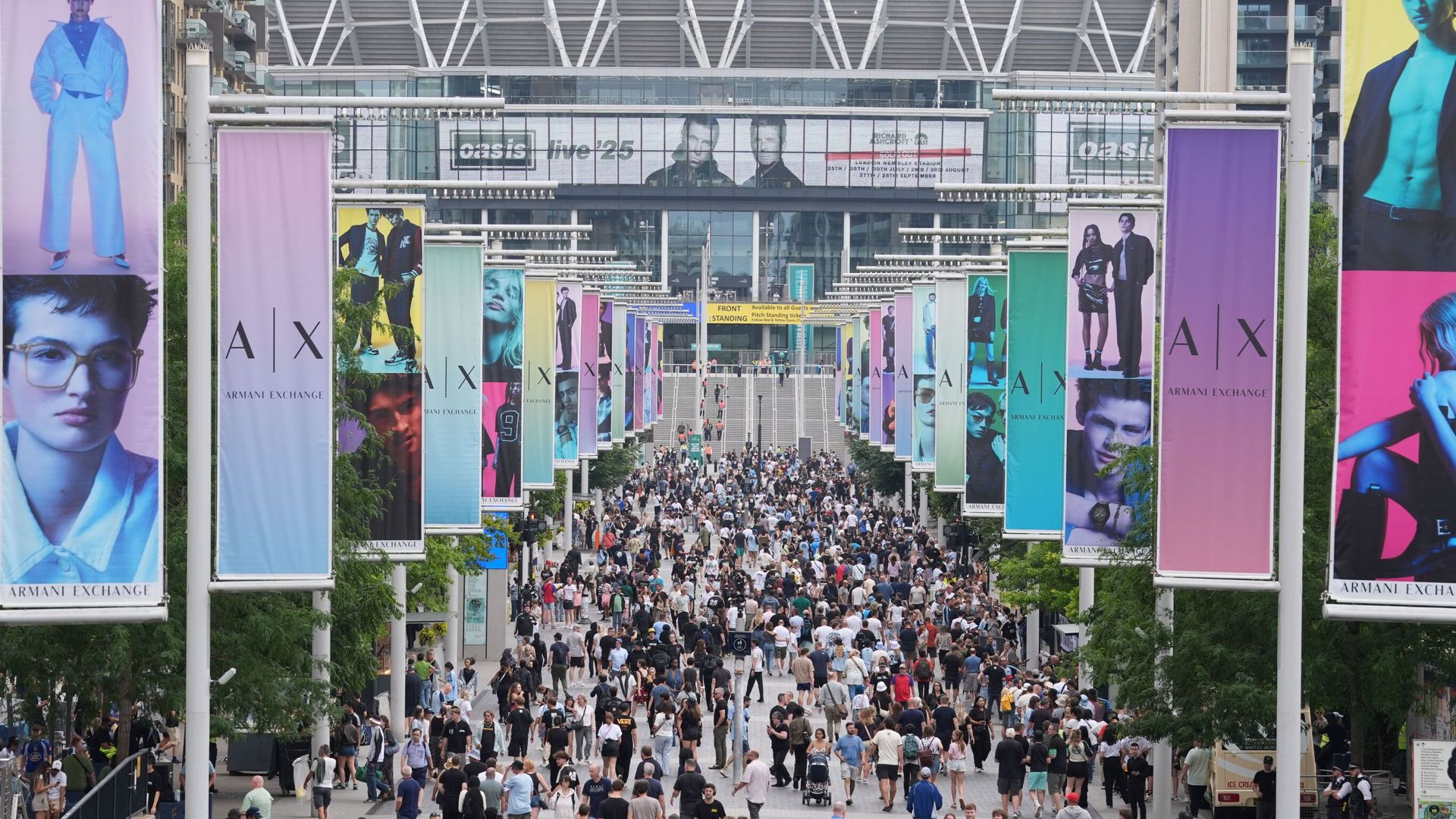
Think about the Oasis "reunion" chaos or the recent Taylor Swift tours. Prices hit thousands of pounds. When tickets are sold at these inflated rates, that extra money doesn't go to the roadies, the lighting techs, or the artists. It goes straight into the pockets of the resellers. It drains the economy of the music industry. If a fan spends £500 on a resold ticket that should’ve cost £100, that’s £400 they aren't spending on merchandise, records, or tickets for smaller, independent bands.
The secondary market argues they provide "liquidity" and "freedom." That’s nonsense. Freedom to price-gouge isn't a consumer right. When the supply is artificially restricted by bots, the market isn't free—it’s rigged.
Why Voluntary Industry Action Has Failed
For years, the government told the industry to clean up its own act. It didn't work. While some platforms like Ticketmaster have introduced "Fan-to-Fan" resale, they often still profit from the fees on those higher prices. There's a massive conflict of interest. If a platform makes a percentage of the total sale price, they have a literal financial incentive for the price to be as high as possible.
Some artists try to fight back. Ed Sheeran and Robert Smith of The Cure have been vocal, using paperless ticketing and strict ID checks to ensure tickets stay at face value. They’ve proven it’s possible. But it shouldn't be up to individual artists to police a global marketplace. It’s exhausting, expensive, and legally complex for them to manage. We need a blanket law that makes it illegal to list a ticket for more than 10% above the original price to cover legitimate transaction costs.
International Lessons in Ticket Regulation
The UK is actually lagging behind. Other countries have already realized that "the market" can't solve this. In Ireland, the Sale of Tickets Act 2021 banned the resale of tickets for prices above face value for designated events and venues. It hasn't killed the industry. In fact, it’s made the process more transparent for fans. Italy and France have similar protections.
Even in the US, where "free market" rhetoric usually wins, several states have passed laws requiring full price transparency and banning deceptive "speculative" ticketing. Speculative ticketing is particularly nasty. That’s when a reseller lists a ticket they don't even own yet, betting they can grab one later. It’s gambling with the fan’s money.
The UK government needs to look at these models and realize that regulation doesn't stifle business—it protects the ecosystem. Without fans who can afford to go to shows, the whole house of cards falls down.
The Myth of the Fair Market Price
Resellers love to say that a ticket is worth "whatever someone is willing to pay." This ignores the social value of the arts. If we only allow the wealthiest 1% to attend live performances, we lose the diversity and energy that makes live music special. Music isn't a luxury car. It’s a shared cultural experience.
When tickets are sold above face value, it also creates a security nightmare. Fraudulent tickets are rampant on secondary sites. Fans show up to the venue, barcode in hand, only to be told their ticket is a duplicate or a fake. The reseller is long gone with the money, and the venue staff has to deal with a heartbroken person at the gate. A face-value cap removes the profit motive for these scams.
Digital Solutions and the Role of Tech
We have the technology to fix this tomorrow. Blockchain and NFT ticketing—while often overhyped—actually offer a functional way to track ownership. A digital ticket can be programmed with a "smart contract" that prevents it from being transferred for more than its original price.
But we don't even need high-tech crypto solutions. Simple "lead booker" requirements, where the person who bought the ticket must be present with ID, work incredibly well. The problem is that these methods are inconvenient for the big primary sellers because they require more staff and better systems. They’d rather just let the bots run wild and collect their fees.
What the Proposed Legislation Should Look Like
If the government actually wants to fix this, the law needs teeth. Vague guidelines won't cut it. We need:
- A hard cap on resale at 10% above face value.
- Mandatory transparency showing the original seat number and face value on all resale listings.
- Heavy fines for platforms that allow "speculative" listings.
- Ban on "harvesting" software (bots) with actual criminal penalties for those who operate them.
This isn't about stopping people from selling a ticket if their plans change. It’s about stopping people from making a career out of hoarding access to culture.
How You Can Protect Yourself Right Now
Until the law catches up, you’re on your own. It’s a bit of a minefield, but you can avoid the worst of it. First, always check the artist's official website for the "official" ticket link. Never just Google "Artist Name tickets" because the top results are almost always paid ads from secondary sites that look official but aren't.
If you miss out on the initial sale, wait. Don't rush to Viagogo ten minutes later. Prices are highest right after a sell-out because that's when FOMO is strongest. Use ethical resale sites like Twickets or the official fan-to-fan exchange on the primary ticket site. These platforms verify tickets and cap prices at face value.
Demand better from your local representatives. Write to your MP and tell them you support the FanFair Alliance's goals. Mention that you're tired of seeing the UK become a playground for touts while other countries protect their citizens.
Live music belongs to the people who love the music, not the people who love the profit. It’s time the law reflected that. Stop supporting the secondary platforms. Don't buy the "platinum" markups. If we stop paying the inflated prices, the touts lose their incentive. But real change only happens when the government stops listening to lobbyists and starts listening to the fans standing in the rain outside the venue.