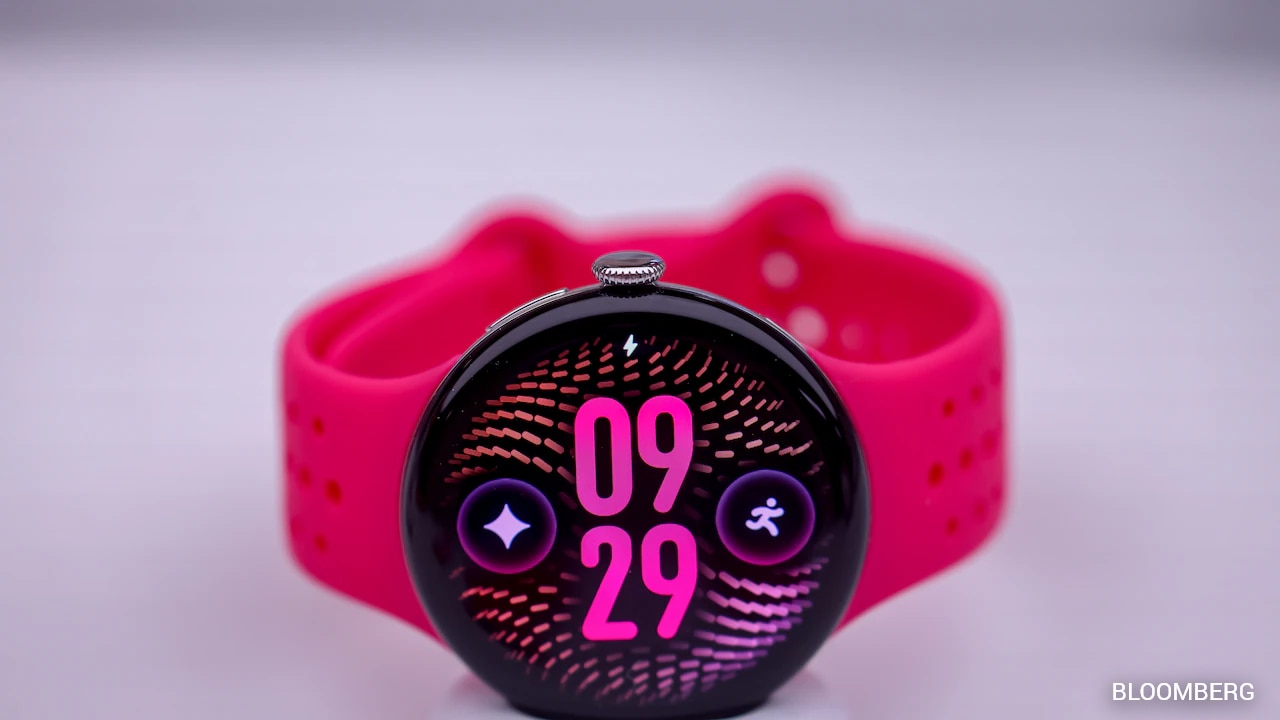
Google is bringing insulin resistance tracking to its consumer wearables lineup, a move that pushes commercial wrist-worn hardware past step counts and sleep stages into metabolic health monitoring.
For years, the consumer fitness market has chased trivial metrics. Heart rate variability, skin temperature trends, and blood oxygen saturation filled out companion smartphone apps, offering users a dashboard of ambiguous physiological data. Metabolic health, specifically the precursors to type 2 diabetes, remained locked behind clinical blood panels like HbA1c and fasting insulin assays.
Now, consumer hardware wants a piece of that diagnostic pie. But moving from tracking motion to estimating metabolic dysfunction introduces scientific and regulatory hurdles that Silicon Valley has historically underestimated.
The Technical Reality Behind the Sensors
Consumer smartwatches do not possess internal chemical laboratories. They cannot draw interstitial fluid or measure circulating hormone concentrations directly from the wrist. Instead, the upcoming features rely on proxy data streams.
Optical photoplethysmography sensors, galvanic skin response monitors, and advanced algorithmic modeling crunch the output. These systems look for micro-fluctuations in autonomic nervous system tone, vascular compliance, and interstitial fluid composition. They attempt to correlate these external physical signals with internal biochemical resistance.
Why Proxy Data Falls Short
A proxy is an educated guess wrapped in machine learning code.
When muscle and liver cells stop responding efficiently to insulin, the pancreas pumps out more of the hormone to clear glucose from the bloodstream. This chronic hyperinsulinemia changes sympathetic nervous system activity and microvascular tone. Algorithms can spot these patterns after extensive training against clinical datasets.
Yet, human biology resists uniform translation.
- A user experiencing acute stress displays autonomic signatures that mimic metabolic strain.
- Dehydration alters skin conductivity and optical sensor readings.
- Caffeine consumption spikes vascular resistance independently of insulin function.
Isolating the signal of cellular insulin resistance from the noise of daily life requires extraordinary computational overhead. Early iterations will generate false positives that send anxious users to urgent care or, worse, false negatives that provide a dangerous sense of security.
The Regulatory Labyrinth
Health tech companies love to dance around the Food and Drug Administration. Software updates roll out under general wellness classifications, avoiding the brutal, multi-year clinical trials required for diagnostic devices.
Google faces a strict divide here. If the feature presents itself as a wellness trend, adoption is rapid, but liability is high if a user misinterprets a data drop. If the feature claims diagnostic validity, the regulatory hammer comes down.
Competitors like Apple have spent years navigating this precise friction. ECG apps on smartwatches carry FDA clearance because they target a specific, binary electrical event: atrial fibrillation. Insulin resistance is not a binary event. It is a slow, multi-system sliding scale that manifests differently across genetic profiles, body compositions, and dietary habits.
Building a wearable feature that estimates this metric without crossing into unlicensed medical diagnosis requires careful legal framing. Users will not read the fine print. They will see a notification telling them their metabolic score is dropping and assume their physician missed something.
The Commercial Incentive
Why take the risk? Because the global market for chronic metabolic disease management is worth hundreds of billions of dollars.
Type 2 diabetes and pre-diabetes affect over a third of the American adult population, and a vast percentage of those individuals remain undiagnosed. Traditional healthcare delivery models move too slowly to catch them early. Primary care physicians rarely order fasting insulin tests during routine annual physicals unless symptoms already scream for attention.
Silicon Valley views this clinical gap as prime territory for disruption.
If a smartwatch can flag early metabolic friction, users will buy subscription services, buy continuous glucose monitors, and lock themselves deeper into specific hardware ecosystems. The wearable shifts from an accessory you wear during workouts to an ongoing medical supervisor you cannot live without.
Monetization follows anxiety. Once a consumer believes their metabolic health is deteriorating, they become prime targets for integrated wellness ecosystems, partner telehealth services, and targeted nutritional supplements sold directly through companion apps.
The Privacy Minefield
Metabolic data is intimate. It reveals what you eat, when you eat, how your body processes stress, and how efficiently your metabolism handles internal decay.
When fitness trackers ingested step counts, the privacy stakes were low. When they ingest biological markers that hint at chronic illness, the valuation of that data skyrockets. Insurance companies, corporate wellness programs, and data brokers salivate over the prospect of continuous metabolic profiles.
Google’s historical handling of sensitive health data through acquisitions like Fitbit has faced intense regulatory scrutiny across global markets. Building a feature that tracks metabolic dysfunction deepens the data hoarding profile of the device on your wrist.
Users must ask who owns the algorithmic interpretation of their cellular resistance. Is it the user, who sees a colorful chart on a phone screen, or the platform, which uses aggregate anonymized trends to train future commercial models?
The Clinical Backlash
Endocrinologists and primary care physicians are bracing for an influx of confused patients clutching smartwatch printouts.
Medical professionals already struggle with the wave of "worried well" patients bringing uncalibrated sleep tracker data into 15-minute clinical appointments. Adding estimated insulin resistance scores to this mix risks jamming clinical workflows with noise.
A wearable cannot tell you why your metrics look the way they do. It cannot differentiate between a temporary spike caused by poor sleep and a systemic decline driven by metabolic syndrome.
True preventative medicine requires context, physical exams, and verifiable blood chemistry. Reducing decades of metabolic science to a daily wrist score risks trivializing a complex systemic pathology into a gamified fitness metric.
When users treat health scores like video game achievements, they either obsess over minor daily fluctuations or ignore genuine warning signs because the app gave them a clean bill of health yesterday.
The hardware is arriving whether the medical establishment is ready or not. The sensors are shrinking, the algorithms are learning, and the corporate ambition to colonize human biology remains unchecked.
Success will not be measured by how many people buy the device. It will be measured by how many lives are genuinely improved before the inevitable regulatory reckoning hits.