President Donald Trump took to social media with trademark bravado, declaring a peace deal with Iran complete and ordering the global fleet to "start your engines." He announced the immediate removal of the US naval blockade and proclaimed the Strait of Hormuz open for toll-free business. It sounded like the dramatic end to a 107-day maritime war that pushed Brent crude over $126 a barrel and choked off 20% of the world's oil supply.
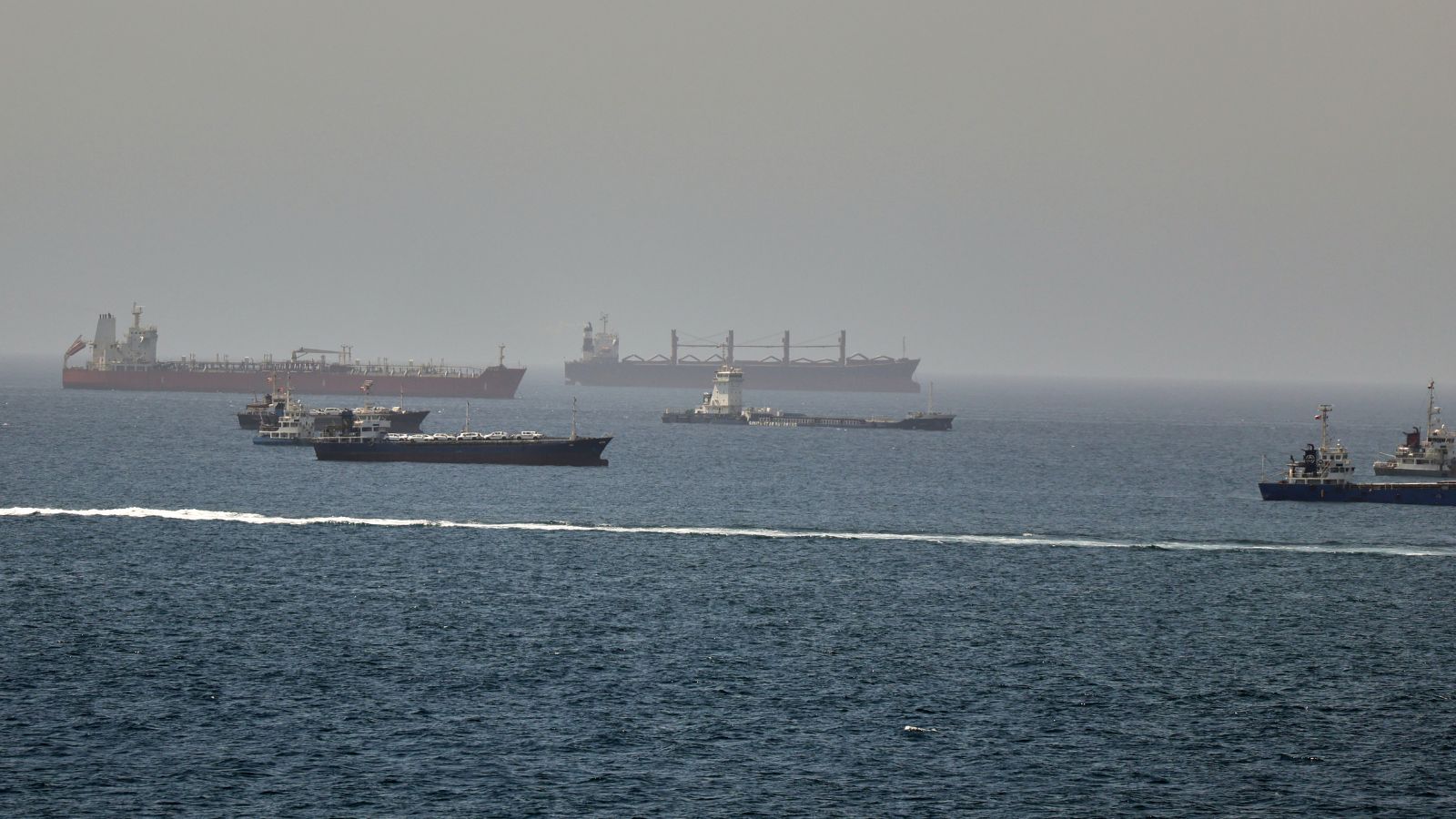
Yet, looking at maritime tracking data, you see a completely different reality. The engines aren't starting. Over 580 commercial vessels—including more than 250 massive crude tankers and 330 cargo ships—are sitting dead in the water, clustered near export terminals in Saudi Arabia, Iraq, and the United Arab Emirates. Only a mere handful of ships have dared to test the waters.
The political proclamation of an open waterway doesn't automatically clear a war zone. Captains, shipowners, and maritime insurers are ignoring the political victory laps because the physical, financial, and legal realities on the water haven't changed yet. Trump said the strait is safe, but the maritime industry knows better than to bet a $100 million hull on a social media post.
The Gap Between a Handshake and a Signed Contract
The most immediate hitch is that the highly publicized peace deal isn't actually legally binding yet. While Trump announced the agreement as a finished product, the formal signing ceremony between US Vice President JD Vance and chief Iranian negotiator Mohammad-Bagher Ghalibaf isn't scheduled until Friday in Geneva.
Until those pens hit the paper, the reality on the water remains frozen in a state of hyper-vigilance.
- The US Blockade is Still Active: Despite promising an immediate end to the naval blockade imposed in April, American officials clarified behind the scenes that the restriction stays until the ink dries on Friday. Merchant vessels attempting to move prematurely risk being intercepted by the very US Navy assets Trump claimed to have stood down.
- Sanctions Relief Disagreements: Signs of diplomatic friction are already appearing before the Geneva summit. Iranian Deputy Foreign Minister Kazem Gharibabadi stated that Tehran expects the immediate release of billions of dollars in frozen assets abroad before moving forward with subsequent technical negotiations.
- The Israeli Wildcard: Israel has kept quiet on the deal. Just hours before the truce announcement, Israeli airstrikes pounded Hezbollah targets in Beirut. Iranian negotiators have warned that continued military actions in Lebanon could cause them to tear up the framework agreement before Friday.
For a ship captain, this creates an impossible legal hazard. If you pull anchor based on a tweet and the deal collapses on Thursday night, you find yourself trapped inside a shooting gallery.
The Secret Threat of Floating Naval Mines
Even if the politicians sign the deal cleanly on Friday, a massive physical hazard remains hidden just beneath the surface. During the height of the air war launched in late February, the Islamic Revolutionary Guard Corps (IRGC) aggressively mined large swaths of the Strait of Hormuz.
Tehran used floating naval mines designed to drift with the tides, intentionally turning the 21-mile-wide choke point into an invisible minefield to deter US and allied forces. Both the Joint Maritime Information Center and Oman's Maritime Security Centre are still tracking multiple floating objects suspected to be live explosives.
[Persian Gulf] -> [Strait of Hormuz (Mined Choke Point)] -> [Gulf of Oman]
       ^
(580+ Blocked Ships)
The physical reality of clearing these weapons is slow, meticulous work. Naval experts estimate that a comprehensive mine-sweeping operation to guarantee safe passage through the deep-water shipping lanes will take anywhere from 30 days to six months. Trump mentioned guiding ships through a secure southern "Highway," but the international shipping community is highly skeptical of any corridor that hasn't been verified by independent maritime safety organizations.
The Battle Over Safe Passage Tolls
International maritime law dictates that the Strait of Hormuz is an international transit corridor, meaning passage is free and unhindered. Iran tried to rewrite those rules during the conflict.
Tehran established the "Persian Gulf Strait Authority" during the war, demanding that all commercial vessels register for "safe passage permits" and pay steep service fees to transit the waters under Iranian coastal radar.
Trump specified that the reopening must be "toll-free," but Iranian authorities haven't publicly rescinded their fee structure. Shipowners face a brutal dilemma: do they pay an illegal Iranian transit fee to move their cargo, or do they refuse to pay and risk being boarded by armed IRGC fast-boats like the vessels intercepted earlier this spring? Until the maritime legal framework is explicitly ironed out during the post-ceasefire technical talks, corporate legal teams are telling their fleets to stay anchored.
The Insane Cost of War Risk Insurance
You can't move a commercial cargo ship without insurance, and right now, the global insurance syndicates are the real gatekeepers of the Strait of Hormuz.
Before the war broke out in February, war-risk insurance premiums for transiting the Persian Gulf hovered around 0.25% of the ship's total hull value. According to major maritime insurers, those premiums have skyrocketed to as high as 5% due to the lingering threat of mines, unexploded ordnance, and political instability.
To put that in perspective, insuring a modern Very Large Crude Carrier (VLCC) valued at $120 million for a single trip through the strait now costs upwards of $6 million. That premium alone wipes out the profit margin on the oil cargo.
Insurers won't lower these emergency rates until they see an official ceasefire document, zero military incidents for several consecutive weeks, and active mine-clearing vessels on the water. Shipowners simply won't order their captains to turn the key when the insurance bill alone could bankrupt the voyage.
What Shipowners Need to Watch Next
If you want to know when the global energy supply chain will actually return to normal, ignore the political grandstanding and watch these specific operational triggers over the coming weeks.
First, verify that the Geneva signing ceremony occurs on Friday without a last-minute diplomatic walkout over frozen assets or Israeli military maneuvers. Second, monitor the maritime notices from the UK Maritime Trade Operations (UKMTO) for the official deployment of international mine-countermeasure vessels into the strait. Finally, watch for a formal statement from the Lloyd’s Joint War Committee reducing the risk rating for the Persian Gulf. Until those three logistical hurdles are cleared, the world's most critical energy artery will remain a massive, expensive parking lot.