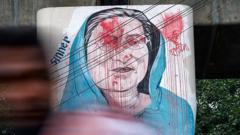
The air in Dhaka still holds the specific weight of August. It is heavy, thick with the scent of monsoon mud and exhaust fumes, a damp heat that clings to the skin like wet wool. In that heat, statues fell. Faces etched into bronze and marble were chipped away with hammers, dragged through the streets by crowds whose patience had finally fractured beyond repair.
For fifteen years, Sheikh Hasina was the permanent fixture of that air. She was the portrait in every government office, the voice on every television screen, the unmovable anchor of a nation that grew up in her shadow.
Then came the reckoning.
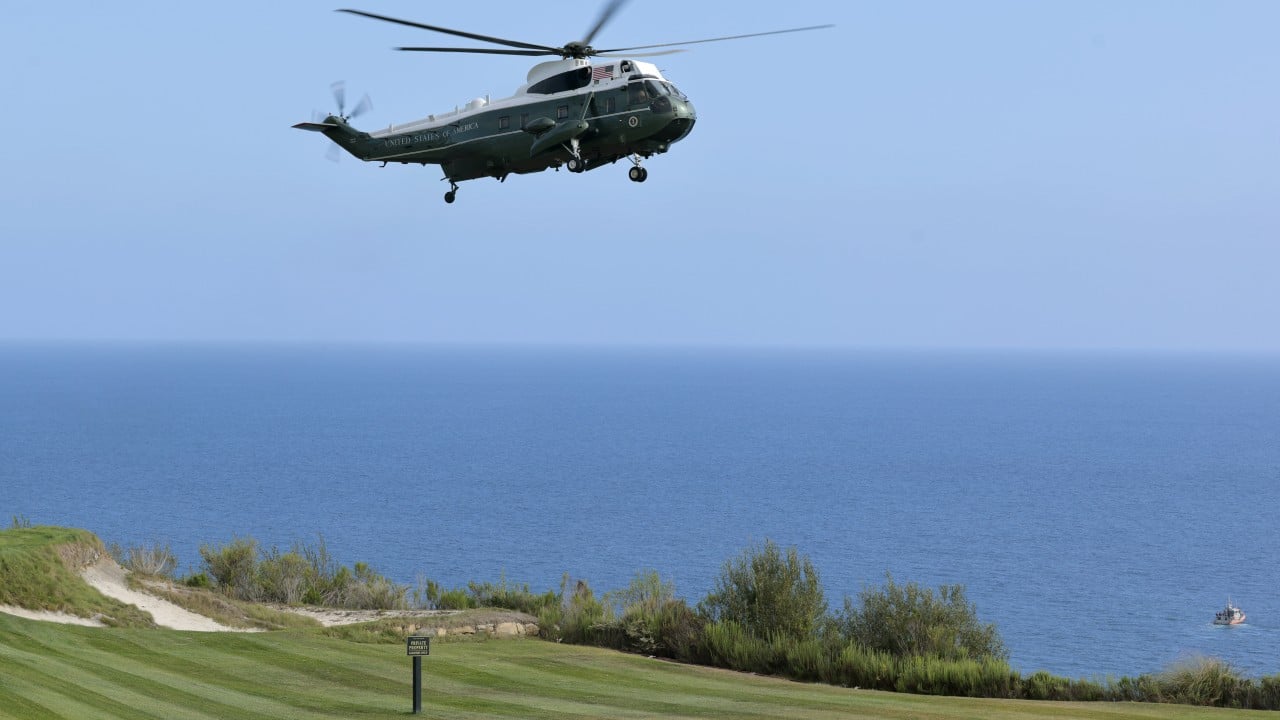
To understand what happens next, you have to stand on the pavement outside a university gate where students faced live ammunition with little more than flags and fury. You have to remember the sound of glass shattering on pavement, the acrid smoke of burning buses, and the sudden, terrifying realization that absolute power can evaporate in a single week. Hasina fled. A helicopter lifted her out of the official residence, carrying her across the border into the quiet safety of a neighboring country, leaving behind a smoking political landscape and a people trying to breathe for the first time in a generation.
Now, whispers drift back across the frontier.
She wants to return.
It sounds impossible. It sounds like the plot of a historical tragedy written by someone who has forgotten how gravity works. After all, the courts have spoken. A tribunal has issued warrants. The death penalty hangs over her name like a drawn blade. The interim government ruling Bangladesh today treats her shadow as a security threat, a spark that could reignite a nation that is still bandaging its wounds.
Consider the sheer psychological audacity of the gamble.
Most leaders who lose power in an uprising pack their bags for a quiet retirement in a leafy European suburb or a secure estate guarded by loyalists. They write memoirs. They give paid speeches. They fade into the comfortable obscurity of the exiled elite.
Hasina is not fading.
To grasp her mindset, you have to look past the political headlines and understand the dynastic obsession that defines her family tree. Her father, Sheikh Mujibur Rahman, was the founding figure of the nation, the man who declared independence before an assassin's bullet cut him down in a bloody coup in 1975. Hasina survived that massacre only because she happened to be abroad at the time. Nearly her entire family was wiped out in a matter of minutes.
That trauma creates a specific kind of internal architecture. When your father is the literal myth of the state, and your family pays for that myth in blood, you do not view politics as a career. You view it as a birthright. You view the nation itself as a possession held in trust. To be cast out of Bangladesh is not merely a political defeat for her; it is an existential theft.
So she waits. And she calculates.
Her supporters whisper in back alleys and encrypted group chats. They argue that the current administration is fragile, that the economy under interim rule is straining under rising commodity prices, and that the public, exhausted by instability, will eventually yearn for the iron-fisted certainty of the past. History offers chilling precedents. Exiled leaders have returned from foreign shores before, riding waves of nostalgia or populist anger back into palaces.
But the math has changed.
The students who led the uprising are not ghosts of yesterday; they are sitting in classrooms and government advisory boards, watching every move. They remember the casualties. They remember the names of classmates who never came home. For them, Hasina’s return is not a political debate. It is a direct invitation to civil war.
If she crosses that border, she does not step onto neutral ground. She steps onto a live minefield. The state machinery that once protected her has been dismantled or purged. The security forces that once cleared roads for her motorcade now answer to a leadership committed to prosecuting her crimes.
Yet, desperation makes gamblers out of autocrats.
When you have ruled a country of over 170 million people with absolute authority for nearly two decades, obscurity is a fate worse than execution. The silence of exile must be deafening. Every day spent watching events unfold from a distance, unable to pull the levers of power, must feel like a slow erosion of identity.
This is the invisible story behind the cables and the court documents. It is a human drama about power, grief, and the refusal to accept an ending.
The borders of Bangladesh remain tense. Coastlines are watched; intelligence agencies share frantic updates; rumors ripple through social media like dry grass catching a spark. Everyone knows the risk. Everyone knows the cost.
She looks at the map from across the border and sees her unfinished story. The nation looks back and sees its nightmare trying to find the door handle.
The night is quiet over the Padma River, but the water keeps moving, dark and heavy, carrying everything forward toward an inevitable collision.