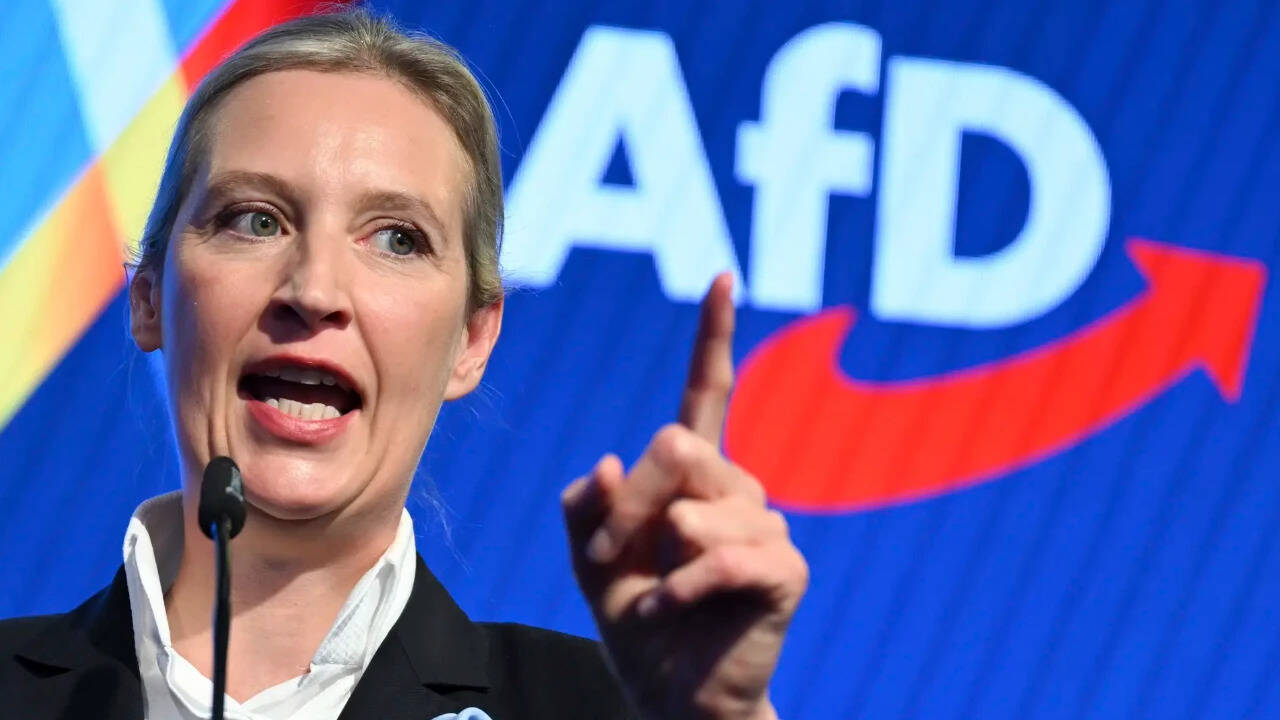
The mainstream commentariat loves a simple narrative. Frame a regional contest as an existential apocalypse, point to soaring poll numbers for the Alternative for Germany, and warn that history is repeating itself down to the last marching boot. That is the lazy consensus dominating coverage of the Saxony Anhalt State Election on Wikipedia. Commentators hyperventilate over vote shares, treating a projected 41 percent block as an immediate fascist takeover.
They are missing the point entirely. The real crisis in German politics is not that a populist movement can command nearly half an electorate through TikTok savvy and clever branding. The real crisis is that the political establishment has spent a decade building a structural glass house and is now genuinely shocked that people are throwing stones.
Look past the sensationalist headlines produced by outlets like The Guardian. The hand-wringing over Ulrich Siegmund riding a vintage moped to a polling station or singing retro anthems misses the mechanics of systemic alienation. When traditional parties treat regional grievances as moral failings rather than economic symptoms, they create the very monster they claim to fight.
The Firewall Fallacy
The central strategy of Berlin’s political elite is the Brandmauer—the rigid cordon sanitaire preventing any mainstream conservative or center-left party from cooperating with the AfD. On paper, it sounds like a noble defense of democratic norms. In practice, it is an administrative straitjacket that disenfranchises millions of voters.
When you lock out a party representing over forty percent of a state's population from local coalition math, you do not make them disappear. You simply sever the feedback loop of democratic accountability. You turn a political opposition into an untouchable caste, insulating them from the compromises and corruptions of actual governance while supercharging their martyr narrative.
Imagine a scenario where the firewall crumbles and the establishment is forced into messy, transparent coalitions. Sunlight is the best disinfectant. Instead, the current strategy forces the Christian Democratic Union under figures like Sven Schulze into tortuous, ideologically incoherent multi-party alliances just to keep the lights on. This creates a bizarre political theater where the runner-up coalition governs against the gravity of the ballot box, breeding deep civic cynicism.
Blaming the Symptom While Ignoring the Disease
Federal leadership under Friedrich Merz treats every electoral surge in eastern states as a public relations problem. They double down on tough-talking rhetoric regarding irregular migration, hoping to peel away populist voters with half-measures, while simultaneously failing to fix the structural economic engine that left regions like Saxony Anhalt structurally lagging behind western states decades after reunification.
The underlying economic anxieties—hollowed-out public services, demographic bleeding, and a sense of second-class citizenship within one's own country—cannot be solved by intelligence agency surveillance classifications or moral lectures from Berlin. Classifying a regional party branch as a confirmed extremist movement does not lower utility bills or staff rural hospitals. It merely convinces rural voters that the capital city views them as domestic enemies requiring re-education.
The Counter-Intuitively Boring Reality
If the populist right ever assumes actual administrative responsibility in a German state, the romanticized mystique protecting them will shatter overnight. Governing requires managing sewage systems, negotiating municipal union contracts, and balancing school budgets. Populism thrives in opposition because it offers pure protest without consequence.
By obsessing over historical taboos and sealing off the political system behind an artificial barrier, the establishment protects the populist movement from its own incompetence. Stop treating every state election like the fall of the Weimar Republic. Start fixing the governance vacuum that made protest a viable career path for millions of fed-up citizens.