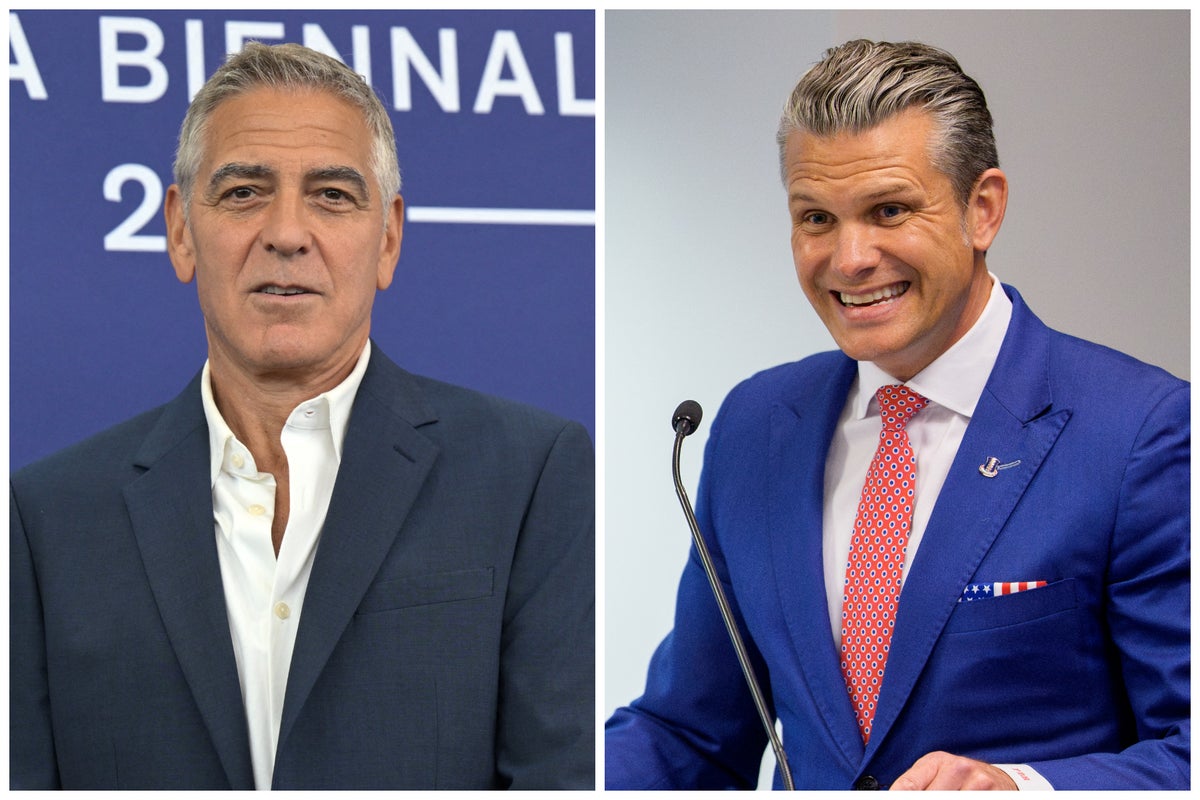
Celebrity outrage follows a predictable script. George Clooney steps in front of a microphone, drops a measured, furrowed-brow soundbite about basic decency, and the internet pats itself on the back for another collective moral victory. Pete Hegseth posts a critique of a Canadian military cadet, Clooney fires back with a classic Hollywood reprimand asking what is wrong with him, and everyone forgets the exchange by tomorrow afternoon.
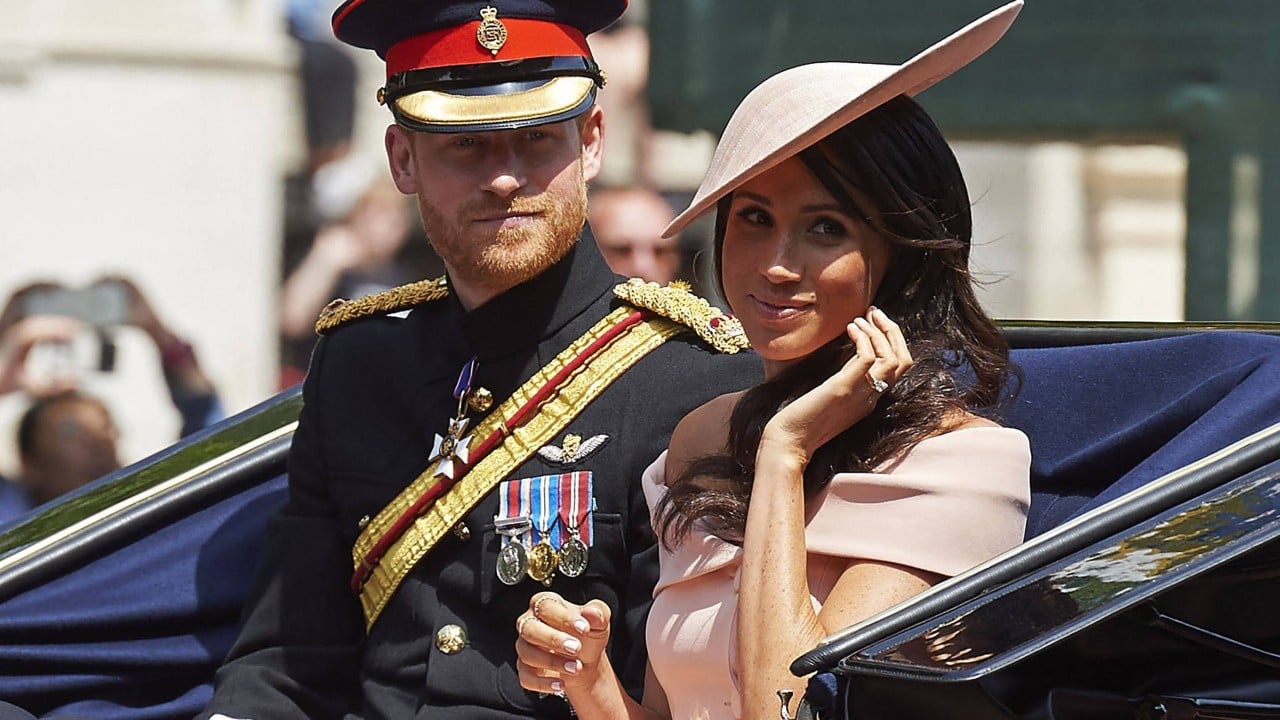
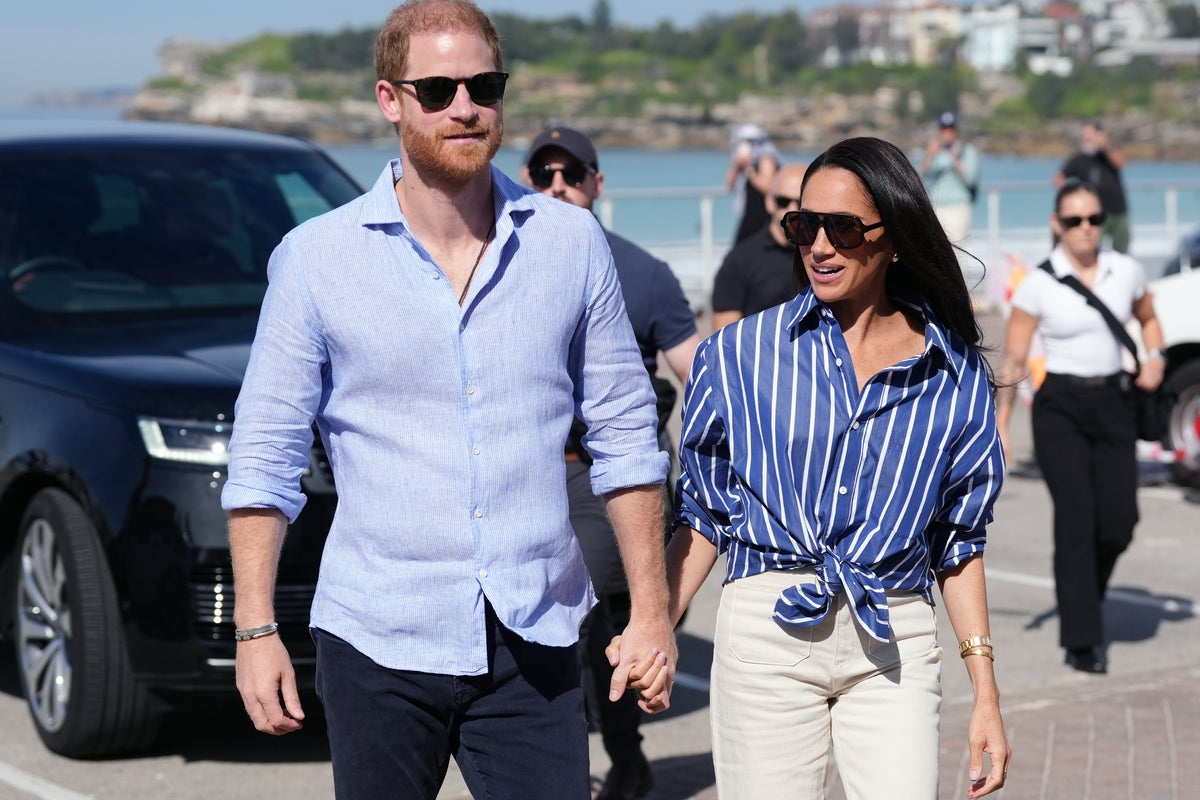
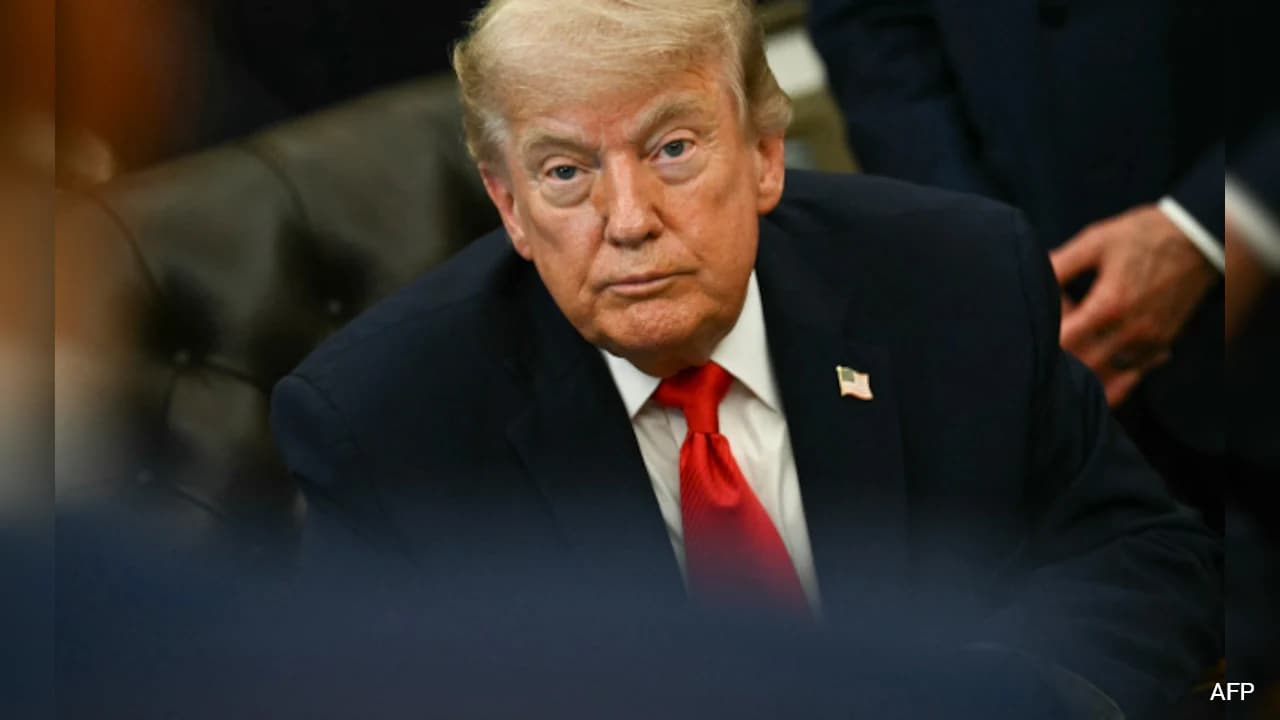
The lazy consensus here is simple. Clooney is defending professionalism and basic human respect, while Hegseth represents the crude, unfiltered erosion of public discourse. Recently making news in related news: Why Trump Wants You To Care About Harry And Meghan Leaving And Why You Should Ignore Him.
The consensus is wrong. Both sides are playing a theatrical game that ignores the actual problem.
Clooney does not understand military readiness any more than a weekend warrior understands a multi-million-dollar movie production. When an actor who plays fictional commanders lectures a former combat veteran about institutional standards, the public swallows a warped version of what accountability looks like. We are debating tone while ignoring the structural rot eating away at Western armed forces from the inside. More insights regarding the matter are explored by Associated Press.
Military institutions do not exist to protect feelings. They exist to close with and destroy the enemy under conditions of extreme violence. When standards slip, people die. That is not an opinion; it is a statistical reality written in blood across centuries of conflict.
The Myth of Perpetual Comfort
Modern armed forces have spent the last decade trying to rebrand themselves as progressive corporate employers. They offer wellness initiatives, flexible fitness standards, and sensitivity workshops designed to match Silicon Valley boardrooms. This is a fatal category error.
War is not an equal-opportunity human resources seminar. It is a zero-sum contest of physical endurance, psychological resilience, and raw lethality.
When a cadet or a soldier is put on blast for failing to meet baseline physical expectations, the knee-jerk reaction from civilian commentators is to cry foul over cyberbullying or body shaming. This is where the cultural elite fail entirely. They treat the military like a public high school yearbook where everyone gets a ribbon for participation.
Imagine a scenario where a rifle platoon is humping forty pounds of gear up a muddy ridge in freezing rain. The enemy is waiting at the top. The weakest link in that chain is not going to be saved by Clooney drafting an open letter about civility. If a soldier cannot pull a wounded peer out of a burning vehicle because physical standards were quietly lowered to appease a political narrative, nobody cares about hurt feelings. They care about body bags.
I have spent years consulting alongside defense contractors and observing procurement and personnel bottlenecks. The administrative class loves to talk about inclusivity while ignoring the quiet erosion of combat effectiveness. Every time an institution lowers physical baselines to avoid offending public sensibilities, it shifts the literal weight of survival onto the shoulders of the soldiers who refuse to quit.
Why Public Outrage is a Diversion
The media loves a celebrity feud because it requires zero cognitive effort. Clooney takes the high road. Hegseth doubles down for his audience. The algorithmic machine hums along, generating millions of impressions without a single constructive idea entering the discourse.
This performative friction masks a deeper crisis. Western militaries are facing historic recruitment and retention shortfalls. Young people are opting out because they see a disconnected leadership class more interested in cultural signaling than operational readiness.
When a prominent public figure like Hegseth points out a sub-par physical standard, he is tapping into a genuine populist frustration. The military rank-and-file—the people actually turning wrenches, maintaining gear, and sleeping in dirt—are exhausted by institutional hypocrisy. They see leaders chasing PR metrics while core capabilities degrade.
Clooney’s intervention misses the mark because it protects the administrative insulation that got us here. He views the military through the lens of a liberal democracy’s idealized self-image. He sees a uniform and thinks of patriotism, honor, and cinematic heroism. He does not see the brutal, gritty calculus of attrition.
The Cost of Lowered Standards
Let us be precise about what physical standards actually represent. They are not arbitrary hazing rituals designed to exclude people. They are empirical floors derived from decades of operational casualty data.
When a military branch accommodates sub-standard performance out of fear of bad press, the consequences manifest downrange.
- Increased Casualty Rates: Weaker physical conditioning directly correlates with higher rates of musculoskeletal injury during deployments, taking operators off the line before they ever see combat.
- Morale Collapse: High-performing troops lose faith in leadership when they watch peers coast by on waivers while carrying half the load.
- Strategic Vulnerability: Adversaries like China and Russia are aggressively hardening their forces, optimizing for raw physical and technological dominance while Western defense apparatuses debate whether social media posts are polite enough.
Clooney wants a military that behaves with polite decorum. Competitors want a military that can win a protracted land war. You cannot have both if decorum means pretending that baseline competence is optional.
The Real Conversation We Are Avoiding
Stop asking whether a politician or a pundit is being mean on the internet. Start asking why our defense infrastructure is spending more energy managing public relations crises than ensuring every single person wearing the cloth of the nation can carry a 200-pound casualty across a kill zone.
The obsession with tone policing is a symptom of a decadent culture. Empires do not fall because their generals lack media training. They fall because they prioritize comfort over capability, optics over operational reality, and administrative harmony over brutal truth.
If a Canadian cadet—or an American one, for that matter—cannot pass a rigorous, non-negotiable physical evaluation, they do not belong in a combat uniform. Not because they are bad people, and not because they deserve public mockery, but because the universe of combat does not care about feelings.
George Clooney can afford to worry about the etiquette of public discourse. The infantryman waiting for his relief cannot.