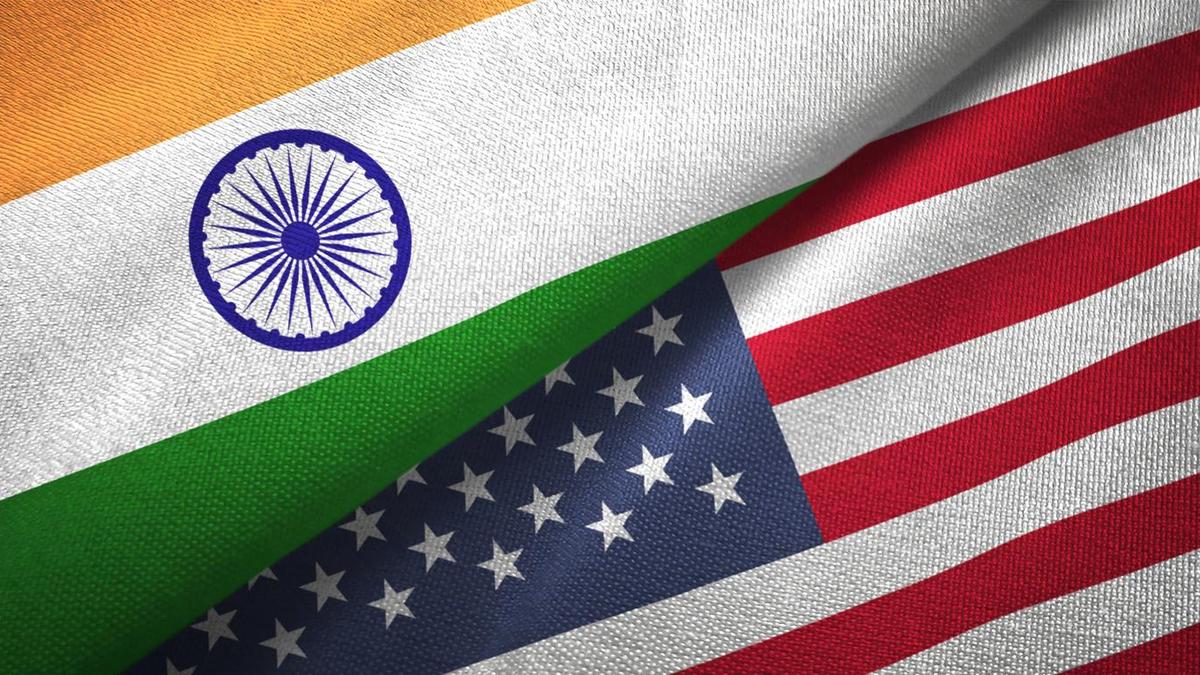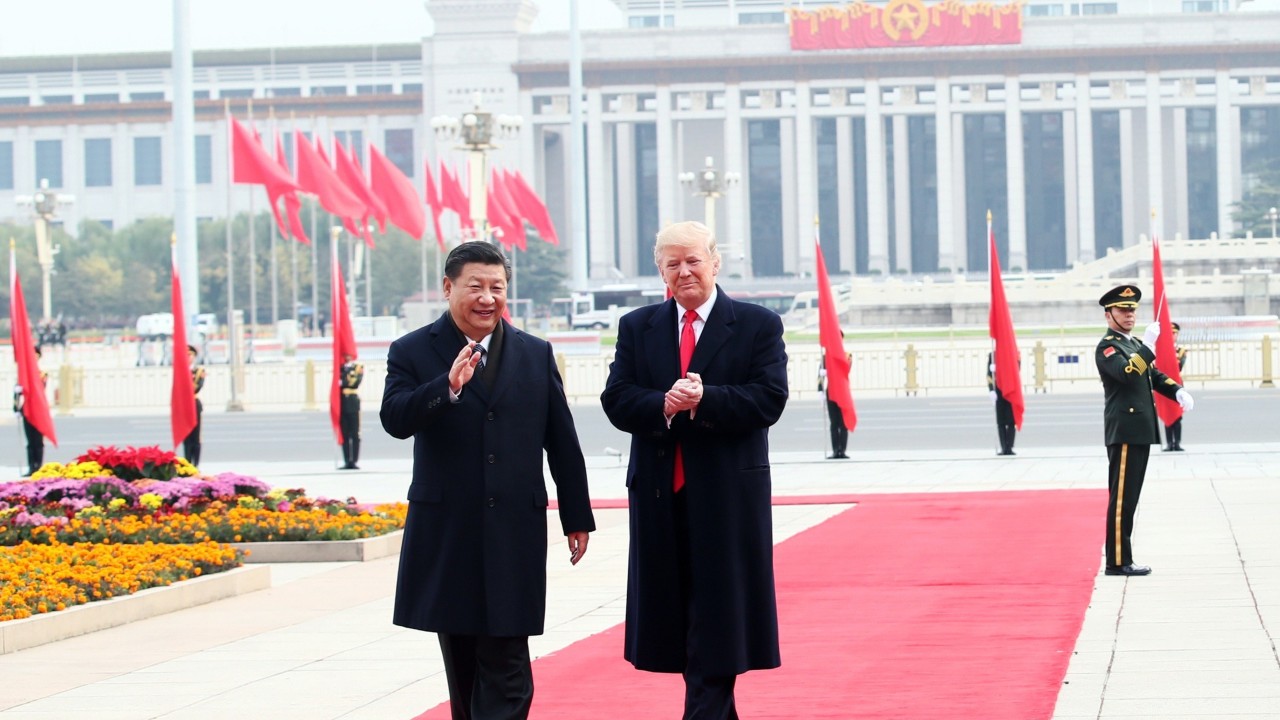
The scheduled state visit of President Donald Trump to Beijing from March 31 to April 2, 2026, represents a calculated attempt to institutionalize a "Managed Trade" framework between the world’s two largest economies. This summit is not a standard diplomatic exercise but a high-stakes renegotiation of the global cost function, where trade concessions are being bartered for geopolitical de-escalation. The thesis of this engagement is clear: the administration seeks to replace the volatility of the 2025 "Liberation Day" tariffs with a reciprocal, sector-specific equilibrium that prioritizes American domestic production while acknowledging China’s role as a primary supplier of critical minerals.
The Triad of Managed Trade
The 2026 summit operates on three distinct analytical pillars that define the current White House strategy.
- Reciprocal Market Access (The ART Program): The Agreement on Reciprocal Trade (ART) serves as the primary mechanism for the visit. The objective is to match China’s bound tariff rates with U.S. Most-Favored-Nation (MFN) rates. In 2025, the U.S. goods trade deficit with China contracted to $202 billion—the lowest in two decades. The administration views this contraction as leverage to demand specific purchase guarantees for U.S. capital goods, particularly Boeing aircraft and energy exports.
- Strategic Resource Arbitrage: China’s dominance in rare earth elements (REE) processing remains a structural bottleneck for U.S. high-tech manufacturing. The summit aims to secure a permanent suspension of Chinese REE export controls in exchange for a "surgical" relaxation of U.S. export controls on mid-tier legacy semiconductors.
- Diplomatic De-escalation via Consular Reciprocity: The proposed simultaneous reopening of the Houston and Chengdu consulates acts as a signaling device. This is intended to lower the geopolitical risk premium for multinational corporations that have been "de-risking" since 2020.
The Mechanics of the Tariff Truce
The current "truce" established in late 2025 is functionally a 150-day pause on Section 301 investigations into Chinese excess capacity. The expiration of this pause coincides with the Beijing summit, creating a hard deadline for negotiators.
The primary friction point involves the U.S. Supreme Court's February 2026 ruling, which restricted the President’s authority to impose emergency "reciprocal" tariffs without specific Congressional or investigative triggers. This legal constraint has forced the administration to pivot from broad-spectrum tariffs to the "Managed Trade" model. Under this model, trade is treated as a series of bartered transactions rather than a market-driven exchange. The U.S. Trade Representative (USTR) is currently vetting a list of American CEOs to participate in a "Purchase Summit" in Beijing, where specific volume commitments for soybeans, oil, and technology will be formalized.
The Taiwan Tactical Adjustment
A significant cause-and-effect relationship exists between the timing of the Beijing trip and the administration's recent pause on a $13 billion weapons sale to Taiwan. This is a tactical sequencing move. By withholding the sale until after the April summit, the administration eliminates a "spoiler" that would allow Beijing to withdraw from trade commitments. However, the structural reality remains: the U.S. National Security Strategy (NSS) for 2026 has softened its language, moving away from "pacing threat" terminology to "strategic challenge." This linguistic shift signals a preference for economic stability over ideological confrontation in the immediate term.
Structural Bottlenecks and Risk Factors
The success of the 2026 summit is inhibited by three primary constraints:
- The Iran-Middle East Variable: Ongoing "Operation Epic Fury" against Iranian infrastructure has tightened global energy markets. China, as a primary consumer of Iranian oil, views U.S. maritime dominance in the Persian Gulf as a threat to its energy security. Any escalation in the Middle East during the summit could cause Beijing to pivot toward a more defensive posture, leveraging its rare earth monopoly to retaliate against U.S. energy sanctions.
- The Technology Sovereignty Gap: Despite the trade truce, there is no evidence that the U.S. will loosen controls on high-end AI chips or lithography equipment. China’s 15th Five-Year Plan, formally launching during the Two Sessions this month, emphasizes "self-reliance" in quantum computing and EV batteries. This creates a divergence where trade may stabilize while the technological "Cold War" accelerates.
- Domestic Political Exposure: With the 2026 midterms approaching, the administration must balance the "America First" narrative with the reality of Chinese retaliatory measures against the U.S. agricultural heartland. The 32% year-over-year reduction in the China trade deficit in 2025 provides political cover, but a failure to secure a "Grand Bargain" in Beijing could reactivate the tariff investigations by mid-summer.
The Sovereign Wealth Fund Proposal
Beijing has floated a proposal for a large-scale Chinese fund to invest in U.S.-based manufacturing for batteries and electric vehicles. While this would theoretically support domestic job growth, U.S. negotiators have signaled that Chinese operational control over such infrastructure is a "non-starter" for national security reasons. The potential for a "compromise" involves minority-stake investments in U.S.-led joint ventures, similar to the UK’s recent "pragmatic reset" which secured $2.3 billion in market access deals.
The strategic play for the 2026 summit is to lock in a low-volatility trade floor through 2027. Businesses should prepare for a bifurcated reality: a period of relative calm in the movement of physical goods and agricultural products, contrasted with increasingly rigid barriers in the exchange of intellectual property and advanced dual-use technologies. The final deliverables of the trip will likely be measured not in "free trade" but in "predictable trade," formalized through a series of bilateral purchase agreements that bypass traditional WTO mechanisms.