The financial press is currently drunk on nostalgia and meme-stock adrenaline. The narrative surrounding a potential GameStop-eBay tie-up isn't just optimistic; it’s a total abandonment of retail physics. Analysts are painting this as a masterstroke of "circular economy" logic. They see a world where your old Nintendo Switch feeds a global marketplace of collectors, creating a perpetual motion machine of used plastic.
They are wrong.
Merging a struggling brick-and-mortar legacy with a bloated, aging e-commerce giant isn't a strategy. It's a suicide pact signed in crayon. I’ve spent two decades watching retail conglomerates try to "buy" their way out of obsolescence. It usually ends with a fire sale and a group of consultants walking away with eight-figure fees while the carcass is picked clean.
The Myth of the Physical Advantage
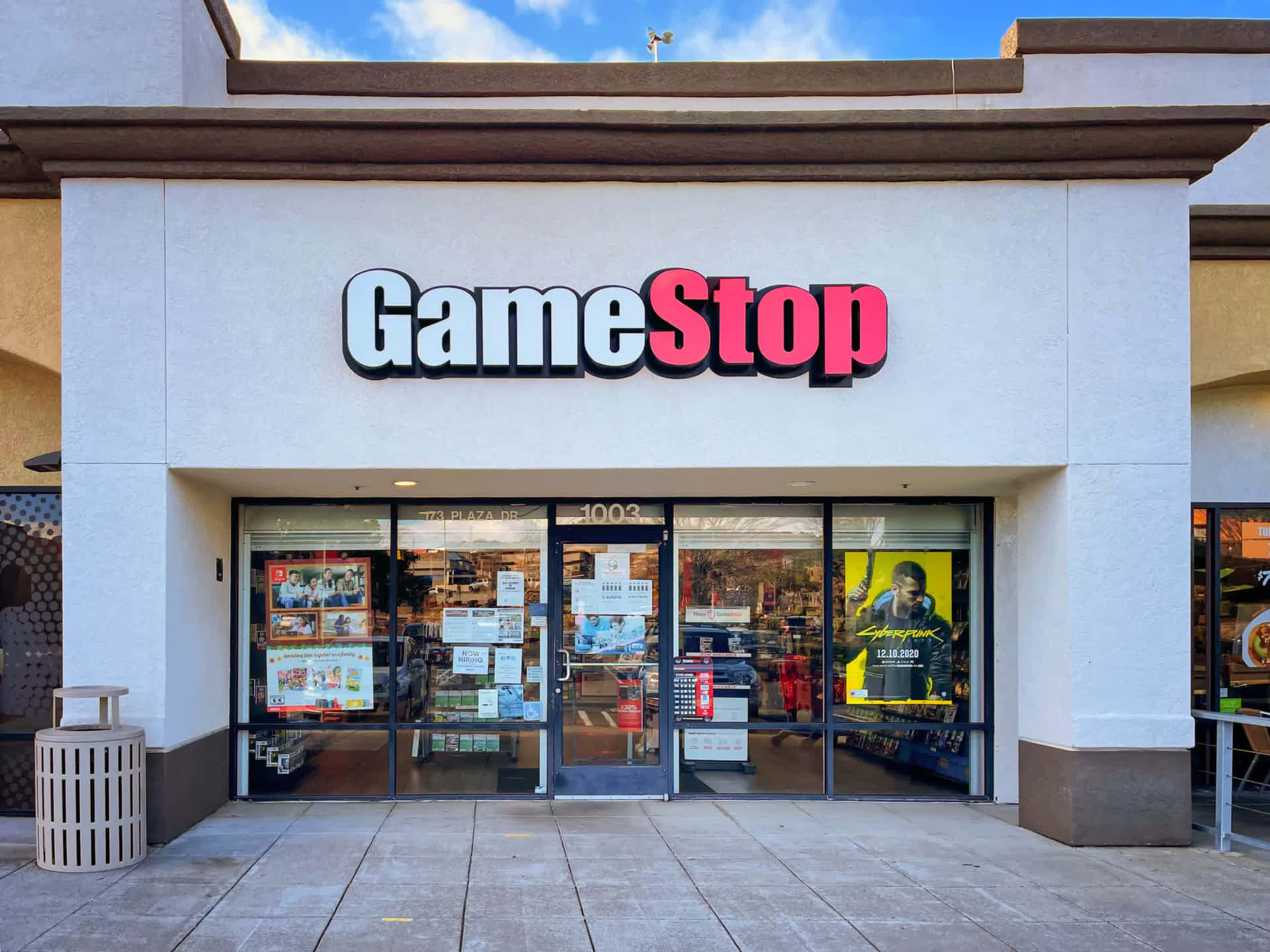
The "lazy consensus" argues that GameStop’s 4,000+ stores provide the physical infrastructure eBay lacks. The logic goes that these stores become instant "drop-off points" for eBay sellers, solving the friction of shipping and authentication.
This ignores the brutal reality of retail labor.
Have you stepped into a GameStop lately? You have a single employee—likely earning minimum wage—managing a line of five people, processing trade-ins, answering phone calls about $PS5$ stock, and trying to upsell protection plans. Now, you want to hand that person a dozen eBay packages to verify, scan, and store?
Logistics is a game of centimeters and seconds. Turning a tiny storefront into a high-volume shipping hub creates a bottleneck that kills the customer experience for both the gamer and the seller. You don't get "physical presence" for free. You get rent, utility costs, and a massive staffing headache that eBay has spent twenty years avoiding for a reason.
Authentication is a Money Pit
The loudest proponents of this deal point to eBay’s recent push into "Authentication Centers" for sneakers, watches, and trading cards. They claim GameStop’s staff can serve as the frontline for this.
This is a fundamental misunderstanding of expertise.
A retail clerk who knows how to spot a scratched disc is not a professional grader. To scale authentication, you need specialized hardware and high-level training. If GameStop tries to authenticate high-value items at the store level, the fraud rate will skyrocket. If they ship everything to a central hub, they’ve added a redundant step that increases shipping costs and wait times.
In the world of $E=mc^2$, energy is never free. In retail, logistics costs are the energy. You cannot simply "absorb" the friction of the secondary market by putting it behind a counter in a strip mall.
The Cultural Collision
eBay is a technology company that happens to sell things. GameStop is a retail company trying to remember how to be a technology company.
When you mash these cultures together, you don't get innovation. You get a tech stack that looks like a game of Jenga played during an earthquake. eBay’s legacy code is already a nightmare to navigate. GameStop’s digital infrastructure has been "under construction" for years with little to show for it beyond a pivot into NFTs that aged like room-temperature milk.
The "People Also Ask" crowd wants to know: "Can GameStop become the Amazon of gaming?"
The answer is a hard no. Amazon won because it built the rails. It built the servers (AWS) and the logistics (Prime). GameStop and eBay are both trying to rent those rails from their competitors. Buying eBay doesn't give GameStop a moat; it gives them a larger territory to defend with an increasingly rusty sword.
The Inventory Trap
Retailers survive on turnover. eBay survives on fees.
If GameStop owns eBay, they face a classic "Incentive Conflict." Do they push their own high-margin used inventory, or do they prioritize the third-party seller who pays a 13% commission?
If they favor themselves, they kill the marketplace. If they favor the marketplace, they cannibalize their own stores.
I’ve seen this play out in the "omnichannel" wars of the mid-2010s. Companies tried to be everything to everyone and ended up being nothing to anyone. They diluted their brand, confused their customers, and bled cash trying to maintain two entirely different business models under one roof.
A Thought Experiment in Failure
Imagine a scenario where the deal closes tomorrow.
Within six months, the "store-as-a-hub" model causes a 30% spike in labor turnover. Store managers, already stretched thin, quit in droves. The backrooms of GameStops become cluttered with unpicked eBay orders, creating a fire hazard and an inventory tracking nightmare.
Meanwhile, eBay’s core power sellers—the people who actually drive the volume—see the writing on the wall. They fear GameStop will use their data to source the same products and undercut them. They migrate to specialized platforms like Whatnot or TCGplayer.
The "synergy" turns into a spiral. The stock price, initially pumped by retail investors looking for a "short squeeze" sequel, craters as the quarterly reports show the staggering cost of integrating two incompatible systems.
The Hard Truth About the Secondary Market
The secondary market is moving toward decentralization and specialized niches.
The era of the "everything store" for used goods is over. If I want a vintage Rolex, I go to a specialist. If I want a rare Pokémon card, I go to a dedicated platform with ironclad grading standards.
GameStop is a generalist in a specialist’s world. eBay is a giant trying to act like a nimble startup. Merging them doesn't solve their identity crises; it enshrines them.
The real move isn't a merger. It’s a radical shedding of assets. GameStop should be closing 80% of its stores and turning into a pure-play digital collectibles and high-end hardware brand. eBay should be spinning off its verticals into independent units.
Instead, we are watching two people who can't swim grab onto each other in the middle of the ocean. It doesn't double their buoyancy. It just ensures they both go down faster.
Stop looking for a "game-changer" in the M&A headlines. If a business model requires a miracle of logistics and a total overhaul of consumer behavior just to break even, it’s not a strategy. It’s a prayer.
The market doesn't reward prayers. It rewards margins. And right now, this deal has none.
Burn the stores. Sell the stock. Exit the fantasy.