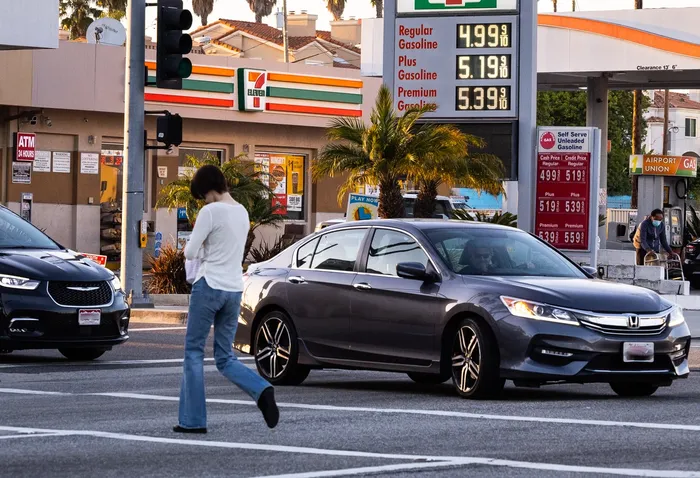
Cheap fuel is a slow-motion car crash for the economy of Pakistan Occupied Gilgit-Baltistan (PoGB). Every time the price of a liter of petrol ticks upward, the local headlines scream about "economic strain" and "unbearable burdens." The narrative is always the same: the government is failing the people by letting prices reach market parity.
They have it backward. The real economic strain isn't the price hike; it’s the decades of artificial price suppression that have gutted local infrastructure and turned the region into a fiscal dependency.
The Subsidy Trap
The "lazy consensus" among regional commentators suggests that low fuel prices are a human right in mountainous terrains. This logic is a fallacy. When you subsidize fuel, you aren't helping the poor; you are subsidizing the logistics of the wealthy and the inefficiencies of a stagnant transport sector.
In PoGB, where the terrain demands rugged mobility, the reliance on fossil fuels is high. But by keeping prices artificially low, the administration has effectively disincentivized any investment in alternative energy or efficient transit. Why would a local entrepreneur invest in a micro-hydro electric grid or electric freight solutions when the state is footing the bill for diesel?
They wouldn't. And they haven't.
I’ve spent years analyzing regional trade flows across high-altitude borders. I’ve seen what happens when price signals are muffled by political desperation. You get smuggling. You get hoarding. You get a black market that thrives in the gap between the "official" price and the actual cost of delivery. When the price at the pump doesn't reflect the cost of getting the fuel up the Karakoram Highway, the taxpayer pays the difference in blood and crumbled roads.
The Mathematics of Ruin
Let’s look at the actual mechanics. A fuel subsidy is a regressive tax. It’s a transfer of wealth from the general budget—money that should be going to schools in Skardu or hospitals in Gilgit—directly into the fuel tanks of those who can already afford vehicles.
$Cost_{total} = Price_{market} - Subsidy_{state}$
As $Price_{market}$ climbs globally, the $Subsidy_{state}$ must expand to keep the pump price stable. In a region like PoGB, which lacks a massive industrial tax base, that money has to come from somewhere. It comes from the "development fund."
The "strain" people feel during a price hike is actually the sensation of reality reasserting itself. The pain isn't being caused by the hike; it’s being caused by the fact that the region’s economy is built on a foundation of sand.
Why the "Inflation" Argument is Flawed
The loudest cry against fuel hikes is that they drive up the cost of food and essential goods. While transport costs do influence retail prices, the correlation is rarely 1:1.
In many cases, middle-men use fuel hikes as a convenient excuse to gouge prices far beyond their actual increased overhead. By keeping fuel prices low, you aren't stopping inflation; you are just subsidizing the profit margins of wholesalers who refuse to modernize their supply chains.
If fuel prices were allowed to float naturally, the market would force a shift toward:
- Higher Load Factors: No more half-empty trucks burning subsidized fuel.
- Localized Sourcing: Reducing the absurd need to truck in every basic necessity from hundreds of miles away.
- Infrastructure Accountability: When fuel is expensive, the quality of the road matters more. High prices create the political will to demand better engineering, not just more handouts.
The Tourism Mirage
PoGB thrives on tourism. The "economic strain" narrative suggests that high fuel prices will kill the industry.
Wrong.
The current model of "low-cost, high-impact" tourism is a net negative for the region’s ecology and long-term viability. We see thousands of low-budget travelers flooding the valleys, contributing little to the local treasury while consuming subsidized resources and leaving behind a mountain of waste.
A high-fuel-cost environment shifts the demographic. It favors high-value, low-impact tourism. It forces the industry to provide quality over quantity. If it costs more to get to Fairy Meadows, the people going there better be prepared to pay for the privilege—and that money needs to stay in the hands of the local guides and lodge owners, not the petrol companies.
Stop Asking the Wrong Questions
People ask: "How can the government provide relief to the common man?"
The question is a trap. The government doesn't have "relief" to give; it only has your own tax money, minus a hefty administrative fee.
The real question should be: "How do we decouple the PoGB economy from the volatility of global oil?"
The answer isn't cheaper petrol. It’s Energy Sovereignty.
PoGB is sitting on a goldmine of hydroelectric potential. The Indus River and its tributaries could power the entire region ten times over. Yet, because the political focus is always on the "immediate relief" of fuel prices, the long-term investment in a localized power grid is constantly shelved.
Every rupee spent on a fuel subsidy is a rupee stolen from a turbine.
The Brutal Reality of "Price Control"
When the state tries to control prices, it loses control of supply. We see this every time there’s a shortage. Petrol stations shut down, "technical glitches" magically appear, and the only way to get moving is to buy from a guy with a plastic jug on the side of the road at 300% markup.
That is the "stable" system people are defending.
I’ve seen the same pattern in dozens of emerging markets. The "pro-people" policy of price caps always ends with the poorest people standing in line for eight hours for a resource they can’t find.
Adopting market prices is painful. It’s a shock. But it’s the only way to kill the black market and ensure that fuel actually exists when you need it.
The Actionable Path Forward
If you live or do business in PoGB, stop waiting for the government to "fix" the price. They can't. They are broke. Instead:
- Audit Your Logistics: If your business depends on cheap transport, your business model is already dead. You just haven't realized it yet.
- Invest in Off-Grid: The future of the region is electric. Solar and micro-hydro are the only hedges against the Islamabad-dictated price madness.
- Demand Toll-Road Transparency: Instead of protesting for lower fuel prices, protest for better road maintenance. A well-paved road saves more fuel than a 10-rupee subsidy ever will.
The Hard Truth
The "economic strain" in PoGB isn't an external force being imposed on the region. It is the withdrawal symptoms of a society addicted to a subsidy it can no longer afford.
The activists demanding lower prices are effectively demanding that the region remain a beggar to the federal center. They are trading their future autonomy for a slightly cheaper commute today.
Stop crying about the hike. Start demanding the infrastructure that makes the hike irrelevant. Anything else is just noise.
Burn the subsidies before they burn the rest of the budget.