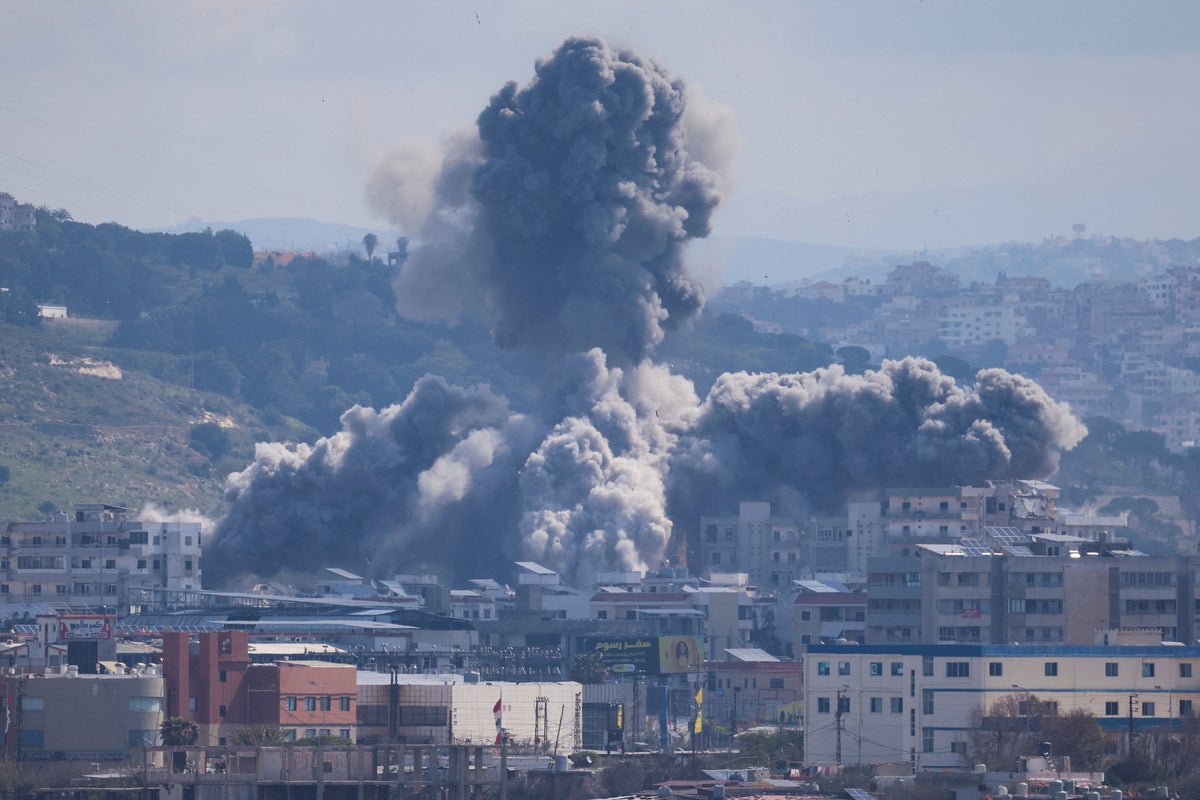
The Peace That Isn't
The mainstream media is obsessed with the word "fragile." They use it to describe every ceasefire in the Levant as if they are talking about a Ming vase. It's a convenient narrative. It suggests that peace is a delicate, precious thing that just needs a little more diplomatic glue to hold.
That is a lie. You might also find this related article insightful: The Berdegué Mandate and the High Stakes of Mexico's Broken Food System.
The current standoff between Israel, Hezbollah, and the looming shadow of Iran isn't fragile. It’s calculated. It’s a tactical pause designed to let every side reload while the West hyperventilates over soundbites from JD Vance. When Vance issues "warnings" to Tehran, he isn't speaking to the Ayatollah. He’s speaking to voters in the Rust Belt. Tehran knows this. Jerusalem knows this. The only people who don't seem to get it are the pundits writing about a "regional war" as if it hasn't been happening for the last two decades.
The JD Vance Warning Strategy
Watching American politicians issue stern warnings to Iran is like watching a toddler tell the tide not to come in. Vance’s rhetoric about a "fragile ceasefire" assumes that Iran actually cares about the stability of Lebanon or the preservation of Hezbollah’s current infrastructure. As extensively documented in latest articles by Reuters, the implications are worth noting.
They don't.
Iran plays a game of attrition. I have watched analysts for years mistake Iranian restraint for weakness. It isn't. Tehran is a master of the proxy bleed. They are perfectly willing to let Lebanon burn if it means exhausting the Israeli Iron Dome batteries and forcing the IDF into a multi-front quagmire that drains the US Treasury. Vance’s "warning" is a performance. It suggests the US has a red line. But after years of shifting goalposts in the Middle East, the red line is more of a pink smudge.
Israel is Not "Attacking" Lebanon—It's Reshaping It
The headline writers love to say "Israel continues to attack Lebanon." It’s technically true but analytically lazy. Israel is currently engaged in a forced decoupling of the Lebanese state from the Hezbollah apparatus. This isn't a standard military campaign; it's a high-stakes surgery performed with a sledgehammer.
The "status quo" was a Lebanon where Hezbollah held the veto power over war and peace. That reality is being dismantled. If you think this is about a few rocket launchers in Southern Lebanon, you are missing the forest for the trees. This is about whether the Mediterranean coast remains an Iranian forward operating base.
The Myth of the Accidental War
People always ask: "Will we stumble into a regional war?"
The premise is flawed. You don't "stumble" into a war involving thousands of precision-guided missiles and nuclear-threshold states. If a full-scale Iran-US war breaks out, it won't be because a ceasefire was "fragile." It will be because one side decided the cost of waiting exceeded the cost of striking.
Right now, the cost of waiting favors Iran. Every day the US is tied up debating ceasefire terms is a day Iran spends perfecting its enrichment cycles and smuggling the next generation of drones into the hands of militias in Iraq and Syria.
The Actionable Truth for the West
Stop looking for a "solution" to the Middle East. There isn't one. There is only management.
- Abandon the Ceasefire Fetish: Ceasefires in this region are often just breathing room for terrorists. If the goal is long-term stability, a premature ceasefire is actually a pro-war stance because it guarantees a more violent conflict three years down the line.
- Read the Room, Not the Press Release: When an official says they are "working tirelessly for peace," they are usually just trying to survive the next news cycle. Look at the troop movements and the ammunition procurement. That tells the real story.
- Internalize the Attrition: This is a war of logistics. Israel can win every tactical engagement, but if they lose the logistical war against an Iranian-backed network that spans four countries, they lose the decade.
Why the "Experts" Are Wrong About Escalation
The consensus view is that Iran is terrified of a direct hit on its soil. That’s partially true. But the experts miss the fact that Iran has already successfully exported its defense. They don't need to fight in Tehran when they can fight in Beirut, Sana'a, and Baghdad.
By the time an American politician gets around to issuing a "warning," the tactical reality on the ground has already shifted. We are reacting to yesterday's news while Tehran is planning for the next decade's insurgency.
The ceasefire isn't fragile. It’s a weapon. And right now, we’re the only ones not using it.
Stop waiting for the "big war" to start. It started years ago, and the ceasefire you’re so worried about breaking is just the sound of the enemy reloading.