Washington is back at it, wielding the gavel of moral superiority while the rest of the world picks up the tab.
The U.S. government just launched a sweeping "unfair trade practices" probe into 60 countries, including India, citing concerns over forced labor. On the surface, it looks like a humanitarian victory—a superpower standing up for the exploited. In reality, it is a protectionist blunt instrument designed to shield domestic industries that can no longer compete on a level playing field.
If you believe this is about human rights, you are playing the wrong game. This is about the weaponization of the supply chain.
The Lazy Consensus of Ethical Sourcing
The standard narrative from mainstream outlets is predictable: forced labor is a stain on global trade, and the U.S. is the only entity with the "teeth" to stop it. They want you to believe that Section 307 of the Tariff Act of 1930 is a scalpel. I have spent fifteen years navigating global logistics, and I can tell you it is a sledgehammer.
When the Department of Labor or the U.S. Trade Representative (USTR) targets sixty nations at once, they aren't performing a surgical strike on bad actors. They are creating a "guilty until proven innocent" environment for every mid-sized importer in America.
The "lazy consensus" assumes that by blocking goods from India or Southeast Asia, we magically improve working conditions there. It does the opposite. By cutting off market access, you remove the very economic incentives that drive middle-class growth and labor reform. You don't "fix" a factory by bankrupting the village that relies on it. You just push the labor into the shadows, where the oversight is even worse.
India and the Hypocrisy of "Unfair Practices"
Targeting India is a particularly bold move, even for the U.S. bureaucracy. India is the cornerstone of the "China Plus One" strategy. Washington spent the last five years begging American CEOs to move their manufacturing out of Shenzhen and into Chennai or Vietnam.
Now, the same government is signaling that those new supply chains might be "tainted."
This creates a Catch-22 for global business. The U.S. wants the low prices of the developing world but demands the regulatory paperwork of a Swiss watchmaker. It’s an impossible standard. When the USTR talks about "unfair trade practices," they aren't just talking about child labor or debt bondage—terms that have clear, horrific definitions. They are increasingly using these probes to target any labor advantage that they deem "too competitive."
Imagine a scenario where a developing nation invests in high-density worker housing to support a new tech hub. Under the current trajectory of U.S. trade probes, a cynical lawyer could argue this constitutes "restricted movement" or "dependency," triggering a massive investigation that halts billions in exports. This isn't about protecting workers; it’s about raising the cost of doing business abroad until it matches the bloated costs of doing business at home.
The Hidden Tax on the American Consumer
Every time a probe like this is launched, the cost of compliance skyrockets. Companies don't just "find better sources." They hire legions of auditors, law firms, and consultants to produce 500-page reports proving that no one in their three-tier-deep supply chain was mistreated.
Who pays for that? You do.
This is a regressive tax. The wealthy can afford the "ethically sourced" $120 organic cotton t-shirt. The single mother buying school clothes at a big-box retailer cannot. By squeezing sixty countries simultaneously, the U.S. is effectively initiating a global price hike on basic goods under the guise of virtue.
The Auditor Industrial Complex
I have seen companies blow millions on "social audits" that are nothing more than theater. An auditor walks through a factory in Gujarat or Dhaka, checks a few boxes, takes a few photos of fire extinguishers, and leaves. The factory gets a gold star, the U.S. importer gets "plausible deniability," and nothing actually changes for the worker on the floor.
By leaning into these massive, multi-country probes, the U.S. government is fueling a parasitic industry of compliance middle-men. These firms don't produce anything. They don't improve lives. They just sell "safety" to American corporations terrified of a CBP (Customs and Border Protection) seizure.
If the U.S. actually cared about labor rights, it would invest in bilateral infrastructure and technological tracking of goods at the point of origin. Instead, it issues subpoenas. Subpoenas are cheaper than diplomacy, and they play better in a press release.
Dismantling the Premise: The "Level Playing Field" Fallacy
People often ask: "Shouldn't we ensure a level playing field so American workers aren't competing with forced labor?"
The question is flawed because it assumes the "field" can ever be level. Labor costs are a function of local cost of living, currency strength, and stage of industrial development. Using trade probes to "level" the field is an attempt to stop the clock on global economics.
When you look at the list of sixty countries, you see a map of the developing world. The U.S. is essentially saying that any country that hasn't reached Western standards of labor bureaucracy is a potential criminal. It’s a protectionist gatekeeping mechanism.
The Strategy for the Contrarian Executive
If you are running a business, stop waiting for the government to tell you who is "safe" to work with. The list of sixty countries is a warning that the USTR is looking for scalps, not solutions.
- Diversify Beyond the "Safe" Zones: If everyone flees India or Vietnam because of this probe, those markets become undervalued. Smart players build their own internal audit teams instead of relying on third-party box-checkers.
- Vertical Integration as a Defense: The more layers you have in your supply chain, the more exposure you have to these "unfair labor" traps. If you own the factory, you own the narrative.
- Invest in Blockchain Tracking (for Real): Not as a buzzword, but as an immutable ledger for every worker's hours and payments. If you can prove they were paid on time, you've neutralized the "debt bondage" argument.
The Brutal Reality Nobody Admits
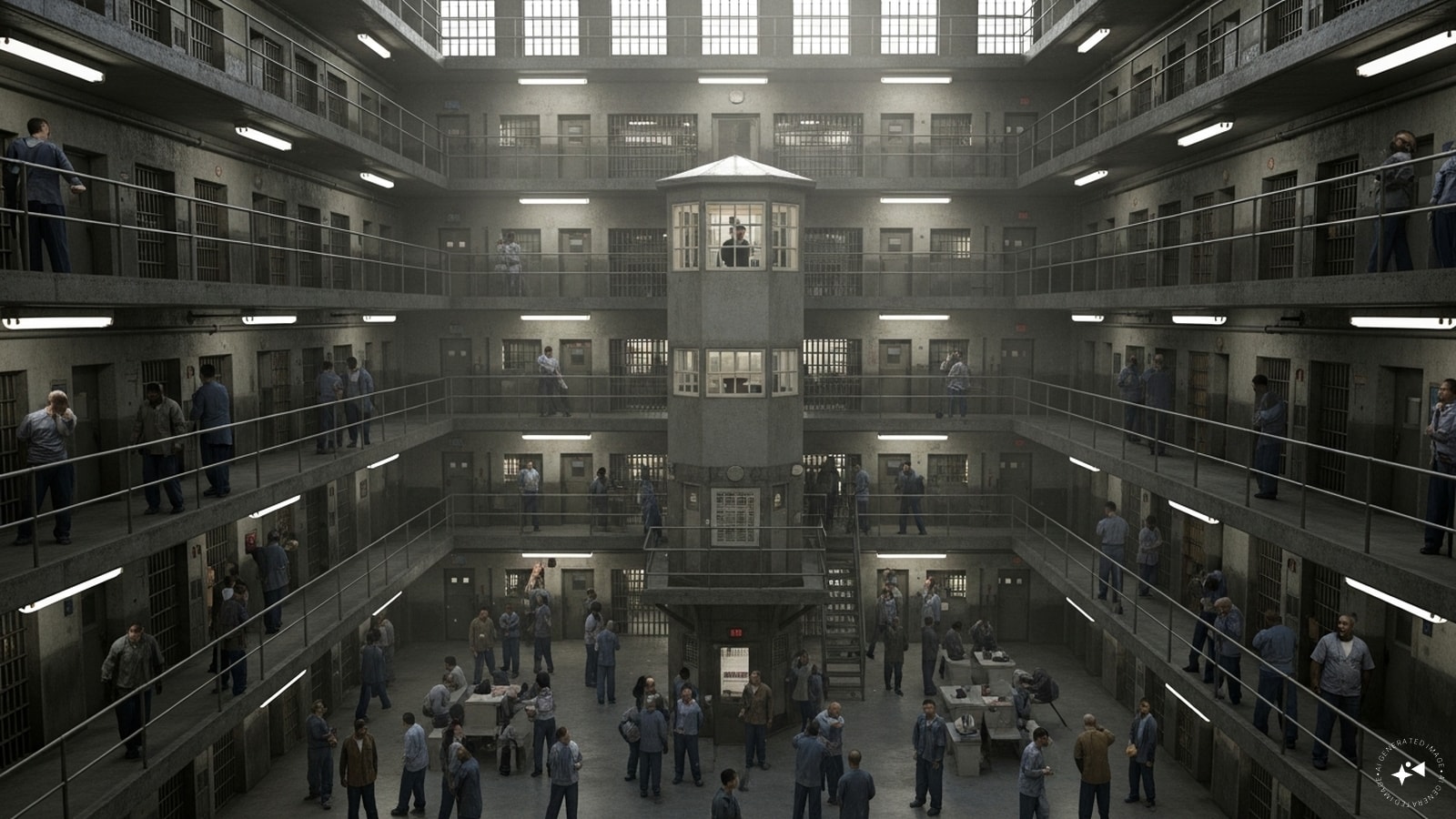
The truth? The U.S. government doesn't actually want to stop forced labor. If it did, it would have to look at the domestic prison-industrial complex and the "guest worker" programs in its own agriculture sector.
This probe is a signal to American labor unions and protectionist voters. It's about optics. It's about telling the American worker, "We're making the rest of the world play by our rules."
The rest of the world isn't listening. They are just going to trade with each other. By weaponizing labor standards, the U.S. is alienating its most important strategic partners in Asia and South America. We aren't making the world better; we are making the world more expensive, one subpoena at a time.
The 60-country probe is a desperate play by a declining trade superpower to maintain relevance through regulation. If you can’t out-innovate them, out-regulate them. It’s a strategy built on a house of cards, and when the supply chain finally snaps under the weight of this paperwork, don't say nobody warned you.
Stop asking if these sixty countries are "fair." Start asking why the U.S. is so terrified of their productivity.