74.5 percent. Let that number sit on your chest for a second.
Nearly three out of every four former NFL players who died between 2008 and 2023 likely had chronic traumatic encephalopathy, better known as CTE. That isn't speculation from an anti-football activist group or a sensationalized TV segment. It comes straight from a peer-reviewed study out of Boston University's CTE Center, published in JAMA Network Open, analyzing deaths across a 15-year window.
Most people read a headline like that and immediately split into two camps. One side yells that football is doomed and anyone letting their kid put on a helmet is reckless. The other side waves the whole thing away, shouting about selection bias and claiming the numbers are rigged because only sick players donate their brains.
Both groups are missing what the research actually says. Honestly, the real math behind that 74.5% figure is way more sobering than the anti-football crowd realizes, and way harder to dismiss than the die-hard apologists want to admit.
Where the 74.5% Number Actually Comes From
Let's strip away the noise and look at the raw data. Researchers examined the deaths of former NFL players between 2008 and 2023. During that stretch, 1,142 former players passed away. Of those 1,142 men, 376 had their brains donated to the UNITE Brain Bank at Boston University for post-mortem examination.
Out of those 376 donated brains, neuropathologists confirmed CTE in 345 of them. That's a 91.7% positivity rate among the brains examined.
Now here is where the researchers got smart. Critics have spent years attacking BU's brain bank numbers by pointing out an obvious flaw. Families don't usually ship a loved one's brain to Boston unless that person was struggling with severe memory loss, violent mood swings, depression, or early-onset dementia before they died. That's classic selection bias. If you only test people who look sick, your positivity rate is going to be sky-high.
To answer that exact criticism, the researchers ran the most conservative math possible. They asked a simple question. What if every single one of the remaining 766 former NFL players who died during that period—the ones whose brains weren't donated—had completely healthy, CTE-free brains?
Even under that wildly optimistic assumption, 345 confirmed cases out of 1,142 total deaths equals 30.2%. Thirty percent. At bare minimum, almost one in three deceased NFL players from that era had a degenerative brain disease.
Then the researchers used statistical modeling—specifically inverse probability weighting—to account for the factors that make a family more likely to donate a brain, like age at death, position played, and whether the player died from a neurological or psychiatric cause. When they adjusted for those variables across the entire pool of 1,142 deceased players, the estimated prevalence landed at 74.5%.
Stop and appreciate what that means. The selection bias argument doesn't save the sport here. Even after mathematically correcting for why families donate brains, the likely rate of CTE among deceased NFL players still hovers right around three-quarters.
Why You Can't Just Blame Big Hits Anymore
If you watch Sunday broadcasts, you've seen the league's answer to brain injuries. Better helmets. Guardian Caps during training camp. Fifteen-yard penalties for leading with the crown of the helmet. Concussion spotters sitting in booths with binoculars.
Those changes look great on camera. They make owners feel proactive and give broadcasters talking points about player safety. The problem is that neuropathology doesn't care about roughing-the-passer flags.
CTE isn't driven by the highlight-reel concussions that knock a wide receiver out cold on Monday Night Football. It's driven by sub-concussive impacts. Thousands of them.
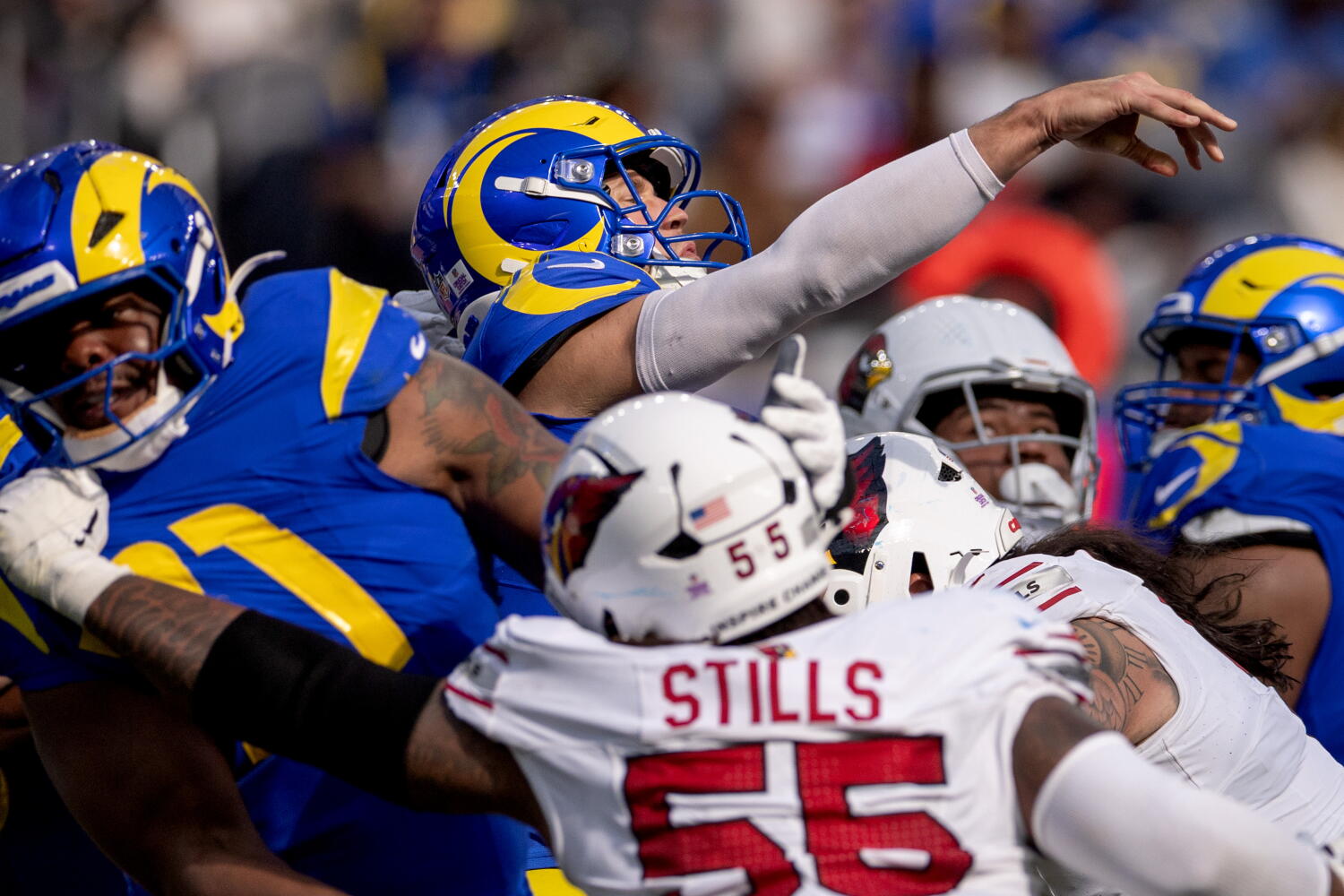
Think about an offensive guard or a defensive tackle. They don't get knocked unconscious every week. Instead, on 60 or 70 plays every Sunday—plus hundreds of snaps in practice—they smash their foreheads into another 300-pound human being's chest plate or facemask. Each individual collision generates maybe 20 or 30 Gs of linear force. Nobody leaves the field. Nobody enters the concussion protocol. Nobody even gets a headache.
Yet inside the skull, the brain sloshes slightly against the rigid inner ridges of the cranium. That repetitive microscopic shearing twists axons and triggers an abnormal buildup of a protein called tau. Over years, tau clumps together, chokes off healthy neurons, and slowly rots the tissue from the inside out.
I've talked with former college linemen who never had a single diagnosed concussion in their lives. Not one. Yet by age 35, they're standing in their own kitchens forgetting why they walked through the doorway, or snapping at their kids over spilled milk with a rage they don't recognize. When you understand that the damage comes from routine, everyday blocking and tackling rather than freak accidents, you realize why better helmet padding can't fix the core physics of the game.
The Invisible Timeline of Tau Buildup
One of the trickiest things about CTE is how quietly it operates. You can't see it on a standard hospital MRI while a player is alive. Right now, a definitive diagnosis still requires slicing brain tissue under a microscope after death.
Doctors categorize the disease into four stages based on how far that abnormal tau protein has spread:
- Stage I: Isolated spots of tau appear in the depths of the sulci—the grooves of the cerebral cortex, usually in the frontal lobes. A player might have mild headaches, trouble concentrating, or slight irritability. Most brush it off as normal aging or stress.
- Stage II: The tau spreads into nearby cortical regions. Memory lapses become noticeable. Mood swings get harder to hide, and impulse control starts slipping.
- Stage III: The damage reaches deep brain structures like the amygdala and hippocampus, which govern emotion and memory. Executive function tanks. Depression, paranoia, and aggression often take over a person's personality.
- Stage IV: Widespread tau destruction across almost the entire brain, accompanied by severe brain atrophy. The brain literally shrinks. By this point, patients typically experience full-blown dementia, profound confusion, and loss of basic daily functioning.
Notice the trap here. Because Stage I and Stage II symptoms look identical to common mental health struggles, sleep apnea, chronic pain, or substance abuse, retired players often spend a decade chasing the wrong treatments. They get prescribed antidepressants that barely touch the root cause, or worse, their families assume they've just become angry, unreliable people.
What the NFL Still Refuses to Confront
The league has paid out over a billion dollars through its concussion settlement, funded research grants, and tweaked kickoff rules to cut down on high-speed collisions. Credit where it's due—kickoff concussions dropped significantly after the 2024 dynamic kickoff overhaul.
Still, there's a massive blind spot in how football culture approaches brain health. Almost every safety rule targets the severity of single hits rather than the cumulative volume of contact across a player's life.
Look at how a typical NFL player gets to the league. They start playing tackle football at age eight or nine. They play through middle school, high school, and three to five years of major college ball before ever signing a professional contract. By the time a rookie steps onto an NFL practice field at 22, his brain has already absorbed 10,000 to 15,000 sub-concussive blows.
Studies from Boston University have repeatedly shown that duration of play—the total years spent taking hits to the head—is the strongest predictor of CTE severity. Every additional year of tackle football increases the odds of developing the disease and pushes the pathology toward more advanced stages.
You can put a pillow-soft shell over a helmet, and it will absorb some rotational force. It will not stop a brain from decelerating inside a skull when a 240-pound linebacker meets a 220-pound running back at full speed in the hole. Physics is stubborn like that.
The Mistake Families Make When Symptoms Show Up
Because CTE can only be confirmed after death, a dangerous fatalism has crept into how former players and their families handle neurological symptoms. I see it all the time. A retired athlete starts losing his temper, forgetting names, or sinking into dark depressive episodes. Someone whispers "CTE," and suddenly everybody throws their hands up as if nothing can be done because the disease is irreversible.
That mindset is dead wrong, and it ruins lives unnecessarily.
Even if a former player does have underlying tau pathology, many of the symptoms wrecking their daily life are treatable right now. Severe sleep apnea—which is rampant among former linemen carrying extra neck weight—mimics early dementia almost down to the letter. Untreated hormone deficiencies, particularly low testosterone and pituitary dysfunction caused by years of head trauma, cause crushing fatigue, brain fog, and emotional volatility. Chronic neck pain, vestibular dysfunction, and clinical depression all pile on top of whatever structural brain damage exists.
When doctors treat those secondary conditions aggressively, former players frequently get years of clarity, stability, and peace back. Writing every symptom off as untreatable CTE is one of the worst medical mistakes a former athlete can make.
Practical Steps If You or Someone You Love Played Contact Sports
If you played years of tackle football, hockey, rugby, or soccer—or you're raising a kid who loves the game—you don't need to panic, and you definitely shouldn't stick your head in the sand. Here is what actually makes a difference based on current neurological science:
- Delay tackle football until at least age 14. Flag football builds footwork, spatial awareness, and ball skills without exposing developing brains to thousands of repetitive hits during critical years of neural pruning. Research shows players who start tackle football before age 12 develop cognitive and behavioral symptoms years earlier than those who wait.
- Track total contact exposure, not just concussions. If you're a parent or coach, pay attention to how much live hitting happens in Tuesday and Wednesday practices. Most brain trauma happens during the week, not on Friday nights or Sundays.
- Get a comprehensive baseline workup if symptoms appear. If a former player is struggling with memory, rage, or depression, push for a full neurological, endocrine, and sleep evaluation. Rule out sleep apnea, pituitary damage, and vascular issues before assuming everything stems from untreatable degeneration.
- Protect vascular brain health aggressively. High blood pressure, heavy alcohol use, and insulin resistance accelerate cognitive decline in brains already stressed by prior trauma. Regular aerobic exercise, strict blood pressure control, and cutting out binge drinking give damaged neural networks their best fighting chance.
Football isn't going anywhere, and pretending a 74.5% estimated prevalence rate doesn't exist won't protect a single player. Knowing what actually causes the damage—and acting early while symptoms are still manageable—is the only honest way forward.