The Smell of Sulfur and the Sound of Silence
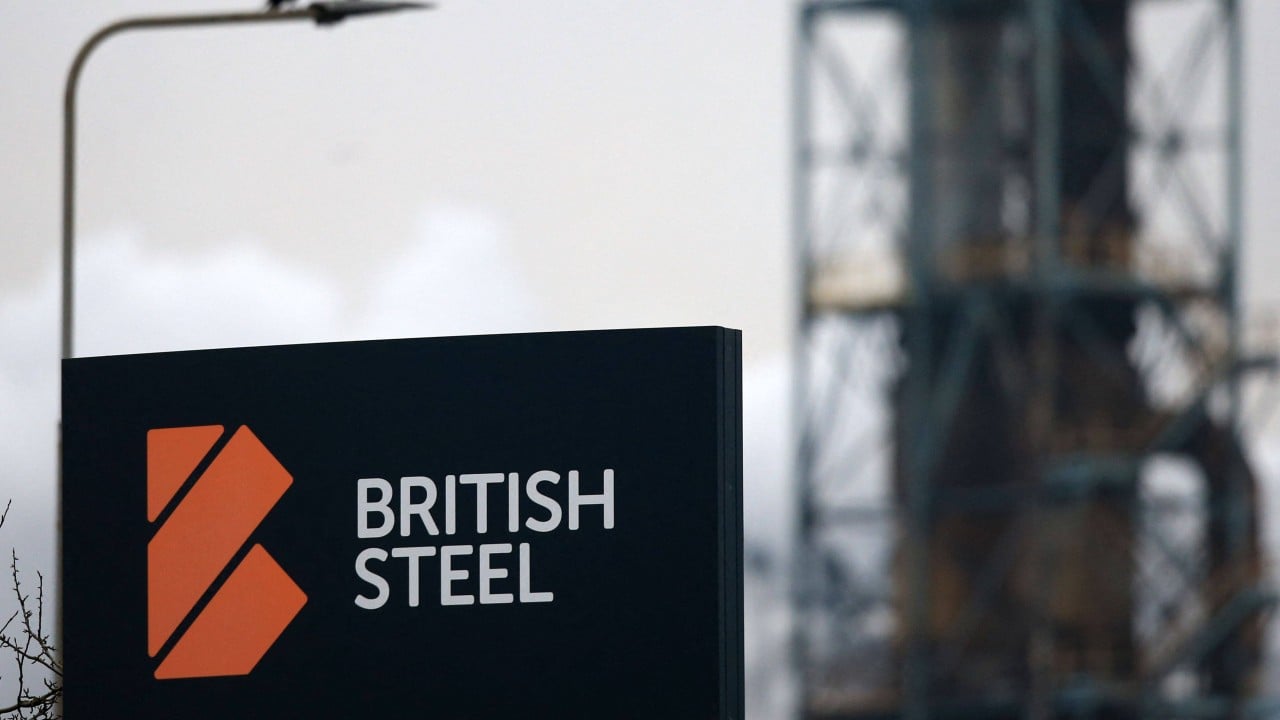
If you stand outside the gates of the Scunthorpe steelworks on a wet Tuesday morning, the first thing that hits you is the smell. It is a sharp, metallic tang of sulfur, coal, and scorched earth. It smells like the nineteenth century. For generations of families in Lincolnshire, that heavy air was the smell of a steady paycheck. It was the scent of security.
When a blast furnace is running, it breathes. It rumbles with a deep, volcanic bass that vibrates through the soles of your boots a mile away. But when a government steps in to turn off the gas, the silence that follows is deafening.
The British government’s decision to nationalize British Steel was framed in Whitehall as a triumph of economic sovereignty. It was spun as a bold rescue mission to save a foundational domestic industry from collapsing under the weight of global market pressures. But across the ocean, in an executive boardroom in Beijing, that same rescue mission looked like something entirely different. It looked like a seizure. Now, the Chinese industrial giant Jingye Group is demanding hundreds of millions of pounds in compensation from the UK.
This is not just a dry legal dispute over assets and balance sheets. This is an international custody battle over the very bones of British manufacturing. It is a story about what happens when national pride clashes with global capital, and why the true cost of taking back control is always higher than advertised.
The Ghost in the Boardroom
To understand how a Chinese conglomerate ended up holding the keys to Britain’s industrial heartland, you have to look back to 2020. British Steel was terminal. Its previous private equity owners had walked away, leaving the company on the brink of liquidation. Jingye stepped forward with a £50 million rescue package. They promised a gleaming, green future fueled by a planned £1.2 billion investment to modernize the aging, carbon-heavy plants.
Imagine buying a historic, crumbling manor house. The roof leaks, the plumbing is shot, and the heating bill is astronomical. But you buy it anyway because you see the potential. You spend years injecting your own cash into fixing the foundations. Then, just as you finish patching the roof, the local council knocks on your door, hands you a eviction notice, and takes the keys back because they decide the house is too important to be owned by an outsider.
That is the perspective from Beijing. Jingye argues they kept the furnaces burning when no one else would. They absorbed the losses, navigated the chaotic waters of post-Brexit regulations, and kept thousands of steelworkers employed. From their view, the British state waited until the worst of the crisis passed, used Chinese capital as a temporary bridge, and then clawed the asset back under the banner of national security.
The legal mechanism for compensation hinges on bilateral investment treaties. These are the invisible tripwires of global commerce. They are designed to protect foreign investors from sudden, arbitrary state takeovers. Jingye is not going quietly. They want their money back. Every single penny.
The Irony of Sovereignty
Politicians love the word sovereignty. It sounds grand. It conjures images of self-reliance, of a nation standing squarely on its own two feet. But in the modern global economy, true sovereignty is an expensive illusion.
Consider how steel is actually made today. You need iron ore, coking coal, and an immense, uninterrupted supply of energy. Britain does not mine iron ore in quantities that matter anymore. It closed its last deep coal mine years ago. The energy grid is hostage to volatile international gas markets. To pretend that nationalizing a steel plant suddenly makes British steel "British" ignores the massive, interconnected web of global supply chains required to feed the beast.
The UK government argued that leaving a critical asset like steel—the material used for British railway tracks, naval ships, and structural beams—in the hands of a foreign entity posed a long-term strategic risk. Geopolitical tensions were rising. The relationship between London and Beijing had cooled from the "Golden Era" of the mid-2010s to a state of cautious friction.
So, the state stepped in. But when a government nationalizes an industry, it does not just inherit the property. It inherits the bills.
The Scunthorpe site alone has been losing an estimated £1 million a day. The blast furnaces are aging monsters that devour coke and emit vast plumes of carbon dioxide. In an era of strict net-zero targets, keeping those furnaces alive requires an immediate, multi-billion-pound transition to Electric Arc Furnaces, which melt down recycled scrap metal instead of smelting raw ore.
By pushing Jingye out, the British taxpayer has effectively volunteered to foot that bill. We didn't just buy a steelworks. We bought a massive, ticking financial liability.
The Human Ledger
Away from the international arbitration courts and the diplomatic shouting matches, the stakes are weighed in human flesh.
Think of a worker named Gary. He is fifty-two. His father worked the coke ovens; his son is an apprentice in the rolling mills. For Gary, the ownership structure of the plant is an abstract concept. He doesn't care if the dividends flow to London, New York, or Beijing. He cares about whether the shift bell rings tomorrow morning.
During the Jingye years, the anxiety was about China pulling the plug because of falling global steel prices. Today, under state ownership, the anxiety is about Whitehall bureaucrats deciding that Scunthorpe is too expensive to maintain during a budget deficit. Governments are fickle owners. They change every few years. Strategies are rewritten with every election cycle.
The tragedy of British manufacturing is that it has spent decades being treated like a political football. One administration wants to privatize it to show market efficiency. The next wants to nationalize it to save jobs. Meanwhile, the actual infrastructure rusts.
The Final Bill
Beijing’s demand for compensation is a stark reminder that in the theater of global business, actions have immediate, compounding interest. If the UK refuses to pay, it risks damaging its reputation as a safe, predictable haven for foreign investment. If it pays up, it diverts hundreds of millions of pounds of public money into the coffers of a foreign corporation at a time when domestic public services are starved for cash.
There is no clean victory here. There is no triumphant moment where the flag is planted atop the furnace and everyone goes home happy.
As night falls over Scunthorpe, the orange glow of the molten metal reflects against the low, heavy clouds. It is a beautiful, terrifying sight. It is the sound of a country trying to manufacture its own destiny while still trapped in the web of a world it no longer controls. The fire inside the furnace keeps burning for now, but the meter is running, and the bill has just arrived.