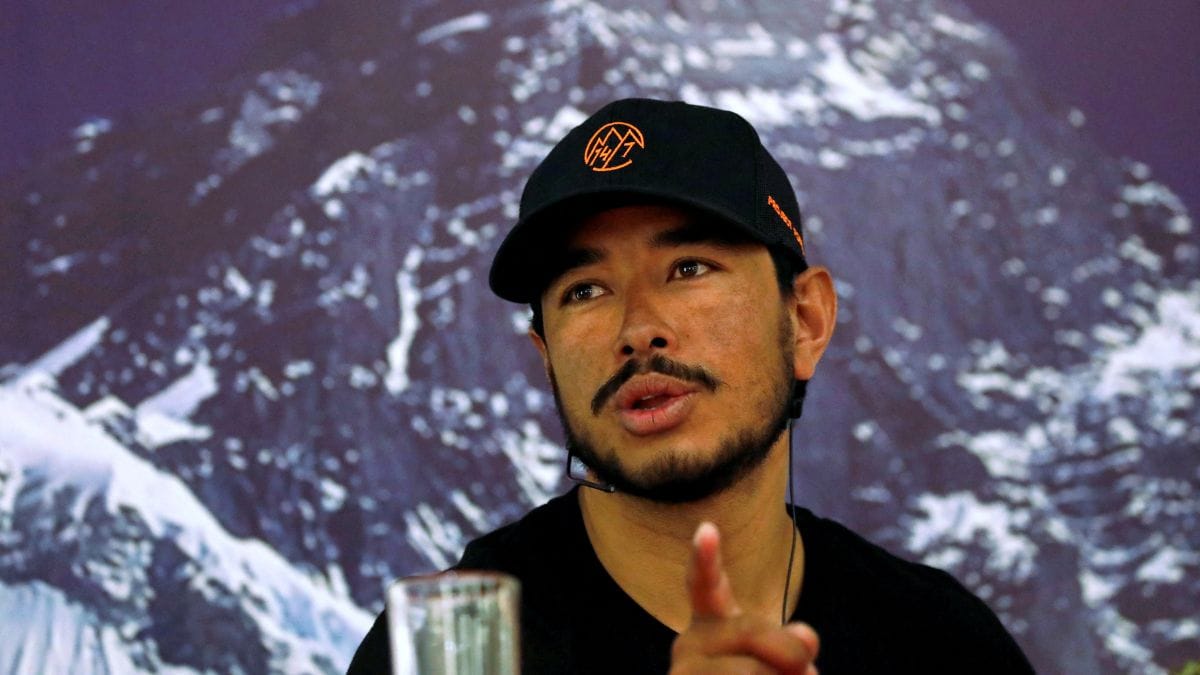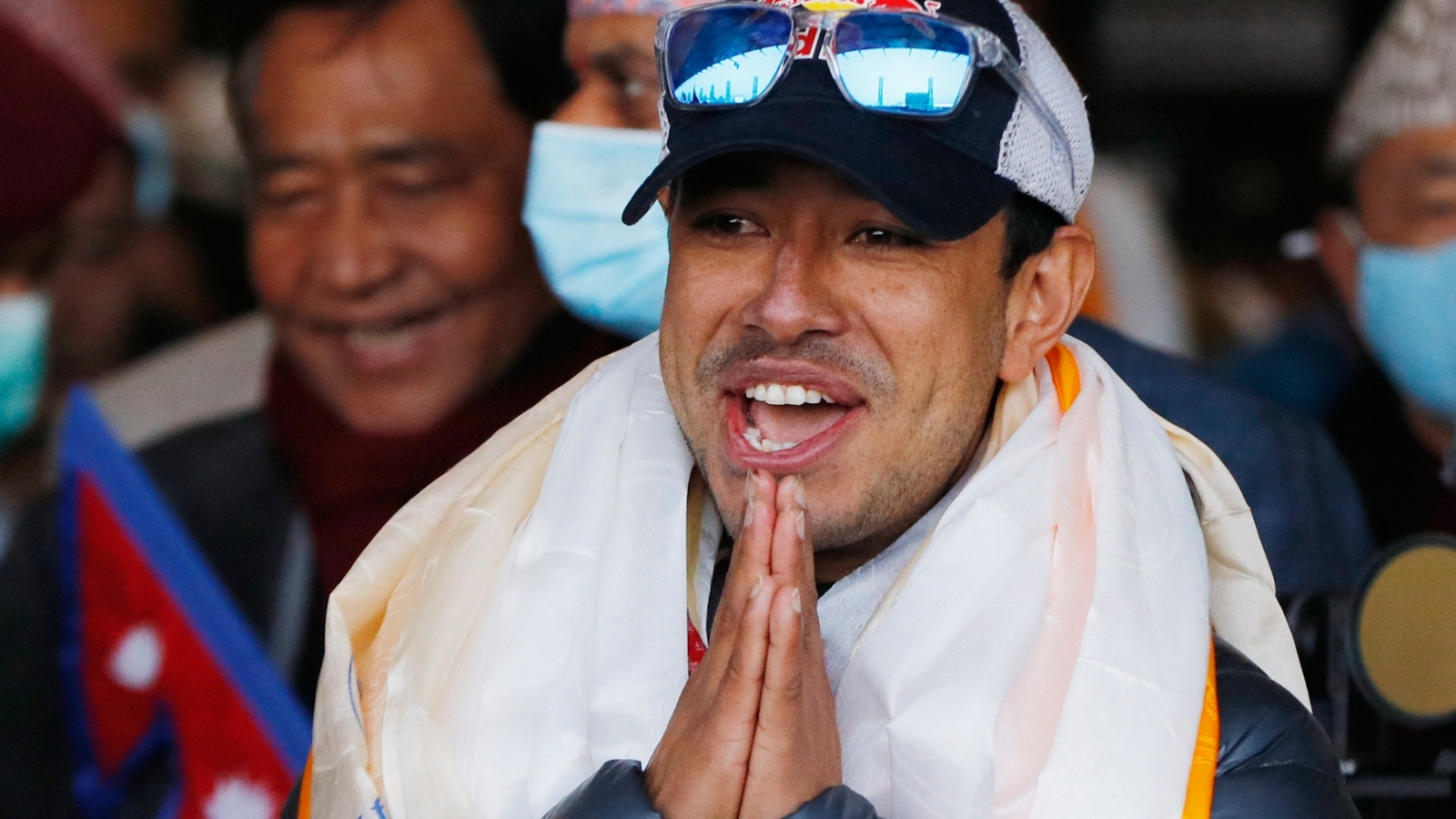
Legendary high-altitude mountaineer Nirmal "Nims" Purja and his expedition team were confirmed dead following a catastrophic avalanche on Pakistan's Broad Peak, bringing an end to a frantic two-day search operation in the Karakoram range. Purja, the 43-year-old former British Gurkha and Special Boat Service soldier who catapulted to global fame with his record-breaking 2019 ascent of all fourteen 8,000-meter peaks in just six months and six days, was leading a commercial push on the world's 12th-highest mountain when a massive wall of snow swept the team nearly a thousand meters down a steep gully.
The disaster on Broad Peak—measuring 8,047 meters and standing intimately close to K2—highlights the unforgiving nature of extreme altitude commercial expeditions during increasingly unpredictable weather windows. While mainstream outlets focus strictly on the tragic roster of lives lost, including veteran Nepali guides and international climbers, the deeper mechanics of the accident point toward a systemic pressure cooker within modern elite mountaineering.
The Calculus of Risk on the Karakoram Giants
High-altitude climbing has undergone a fundamental shift over the past decade. The introduction of heavy fixed-line infrastructure, commercial oxygen optimization, and aggressive marketing has transformed peaks like Broad Peak, Manaslu, and Everest into hyper-managed environments. Yet, mountains governed by extreme meteorological volatility refuse to bow to human scheduling.
Weeks of heavy snowfall had blanketed the upper slopes of Broad Peak prior to the July 30 avalanche. While other expeditions had pulled back or abandoned their summit bids due to dangerous accumulation and unstable snowpacks, Purja’s team pushed upward. In professional mountaineering, the margin between calculated bravery and fatal hubris is razor-thin. Purja himself acknowledged the razor's edge just days before the disaster, writing publicly that he took no mountain for granted and simply asked for safe passage.
The tragedy raises uncomfortable questions about commercial momentum. When an elite athlete and expedition leader builds a brand entirely around pushing human limits—immortalized in popular media like his Netflix documentary—the psychological and financial gravity pulling them toward the summit can become overwhelming. Commercial expeditions rely on momentum, content generation, and continuous records to sustain operations. When weather windows shrink due to shifting global climate patterns, the window to execute a climb compresses, forcing climbers into higher-risk decisions.
The Mechanics of the Broad Peak Slide
Operating between Camp 2 and higher elevations at roughly 7,000 meters, Purja's 10-member international team was struck around mid-morning. According to data from tracking devices, the group experienced a catastrophic drop in elevation within seconds. Avalanches at this altitude are rarely survivable once momentum takes hold; the sheer mass of wind-slab snow moving down a funneling gully acts like a localized freight train.
Rescuers faced immediate roadblocks. Poor weather grounded initial aviation efforts, and the rugged topography of the Gilgit-Baltistan region turned a rapid rescue into a grueling recovery mission. Elite Exped, the commercial company founded by Purja, ultimately confirmed that trusted guides such as Pur Bahadur Gurung and Nima Sherpa, alongside international clients, had perished alongside their leader.
The loss of these high-altitude workers lays bare an ongoing industry inequality. While international headlines center on celebrity mountaineers, the backbone of the Himalayan and Karakoram climbing industry consists of indigenous workers whose mortality rates vastly exceed those of the clients they guide. The deaths of guides like Gurung serve as a stark reminder that the commercial boom in 8,000-meter peaks relies heavily on personnel exposed to disproportionate hazard ratios.
A Legacy Written in Ice and Controversy
Purja's impact on mountaineering was undeniably polarizing. Purists frequently criticized his reliance on supplemental oxygen, massive logistical support, and pre-laid commercial routes to shatter historical timelines. Traditionalists argued that his style stripped the mountains of their raw, exploratory ethos. Yet, his supporters countered that he democratized high-altitude storytelling, brought unprecedented visibility and financial security to Nepali climbers, and proved that a climber from a non-traditional background could rewrite the sport's history books.
His death closes a massive, turbulent chapter in modern mountaineering history. The Karakoram range has once again demonstrated that no amount of social media presence, military pedigree, or previous summit success grants immunity to the basic physics of an unstable snowpack.
The mountains remain indifferent to records, titles, and past glories, exacting the ultimate price from those who test their limits one time too many