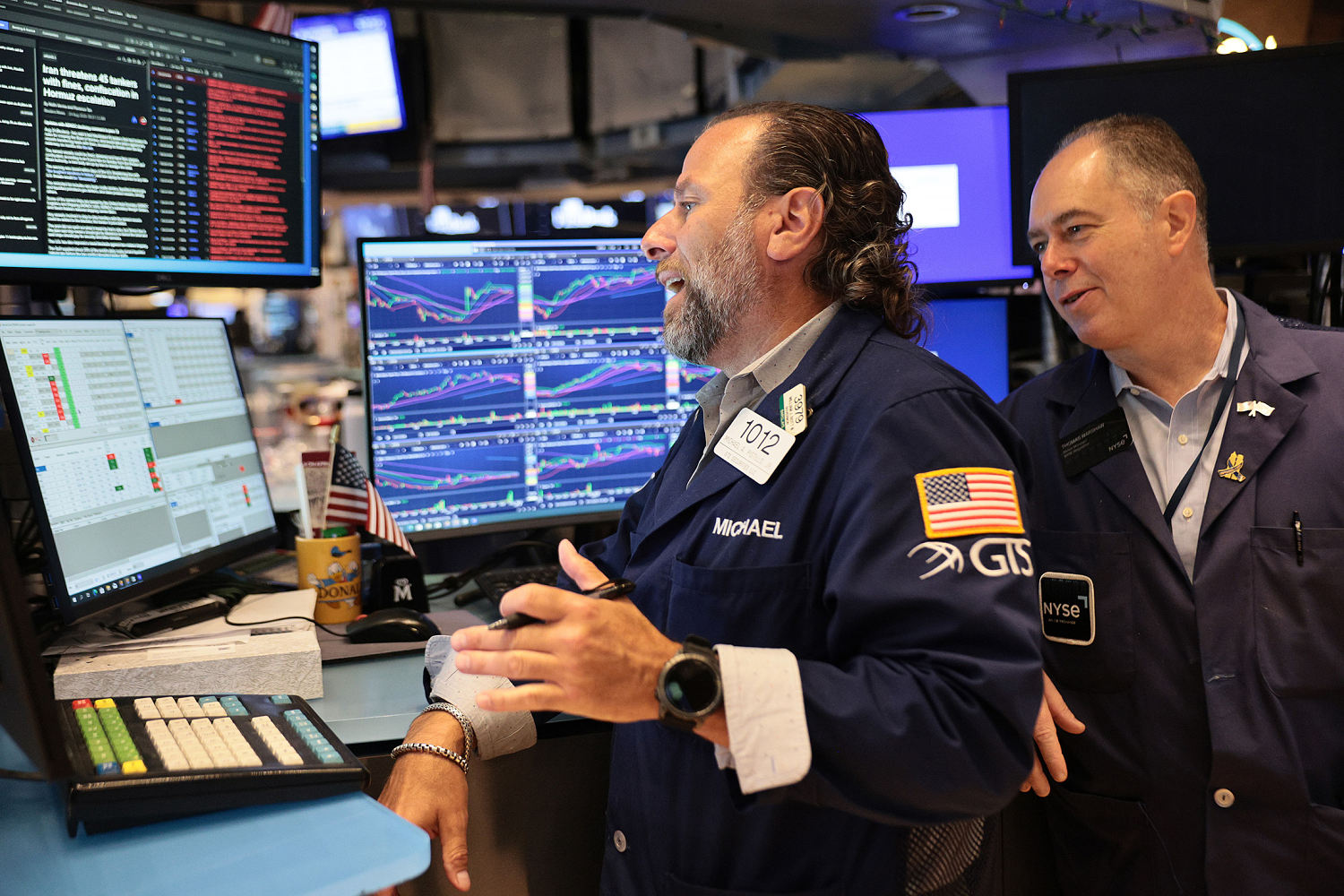
Central bankers love talking about cooling the economy. They sit in quiet rooms, look at spreadsheets, and talk about lowering demand like it's a math problem. But when officials admit that fixing high prices is going to get painful, they aren't talking about themselves. They're talking about you.
Interest rates don't just magically drop numbers on a screen. They hit checking accounts, credit card bills, and job security. If you've tried buying groceries or paying rent lately, you already know things cost too much. What they don't always advertise is how the medicine meant to cure high prices often feels worse than the disease.
The Real Cost of Higher Rates
When the Federal Reserve raises interest rates to slow down inflation, the mechanics are pretty straightforward on paper. Borrowing money becomes expensive. Businesses stop expanding. People stop buying houses and cars. Demand drops, and prices eventually level out.
Sounds neat, right? Except real humans lose jobs in that process.
Companies that relied on cheap credit suddenly find themselves strapped for cash. Hiring freezes turn into layoffs. If you're carrying a balance on a variable-rate credit card or trying to buy your first home, your monthly budget gets squeezed until it breaks. The system calls this cooling off. Regular people call it a crisis.
Economists look at macroeconomic indicators. They check the Consumer Price Index and employment reports. They want to see wage growth slow down. Think about that for a second. They actually want your paycheck to stop growing so fast, even while your grocery bill keeps creeping up.
Why Soft Landings Are Mostly Fairy Tales
Everyone in Washington talks about pulling off a soft landing. That means slowing inflation down without crashing the entire economy into a recession. History tells us this rarely works out.
It's like trying to slam the brakes on an eighteen-wheeler driving down an icy mountain. You might slow down safely, or you might jackknife across three lanes of traffic. Central banks have a terrible track record of timing these shifts perfectly. They usually keep rates high for too long because inflation is sticky, waiting until things actually break before they pivot.
By the time policymakers realize they've squeezed too hard, unemployment is already ticking up. Small businesses are closing their doors. Credit markets freeze up.
How to Protect Your Money Right Now
You can't control what happens at the central bank. You can't vote on the federal funds rate, and you definitely can't force grocery stores to drop their prices. Sitting around waiting for relief won't help your bank account either.
Take a hard look at your high-interest debt right now. Variable-rate loans are ticking time bombs when rates stay elevated. If you can consolidate or pay down those balances, do it before the squeeze gets tighter.
Build a cash cushion. Financial advisors always say to keep three to six months of expenses saved up, but when economic signals point toward rough times, having liquid cash is your best armor. High-yield savings accounts are actually paying decent returns right now, so make your idle cash work for you instead of sitting in a zero-percent checking account.
Focus on your own earning power. When the job market cools down, employers get picky. Make yourself hard to replace. Learn new skills, take on projects outside your comfort zone, and keep your resume updated.
Inflation hurts, but fighting it hurts in a different way. Keep your debts low, your savings high, and stop expecting the system to bail you out.