Your favorite bowl of Bulalo shouldn't be a luxury, yet here we are. In the Philippines, the humble carinderia—the backbone of many Filipino lunch breaks—is facing a crisis that isn't about the meat or the vegetables. It's about the flame underneath the pot. As of April 2026, the price of an 11-kilogram Liquefied Petroleum Gas (LPG) tank has hit a staggering P1,600 in many parts of Luzon. If you’ve noticed your beef stew isn't as piping hot as it used to be, or if the price per bowl just jumped another ten pesos, you’re witnessing the "LPG price shock" in real-time.
For a dish like Bulalo or Beef Pares, time is the most expensive ingredient. These aren't quick-fry meals. You need hours of steady heat to break down tough connective tissues into that buttery, melt-in-your-mouth texture Filipinos crave. When the cost of that heat nearly doubles in a few months, something has to give.
The Math Behind the Soup
Let's look at the numbers because they're brutal. Just a few weeks ago, you could find an 11-kg tank for around P900 to P1,100. Today, Regasco and other major players have pushed prices toward that P1,600 ceiling. That’s a roughly 45% to 60% increase in a very short window. For a small eatery that goes through one or two tanks a week, that's an extra P4,000 to P5,000 in monthly overhead.
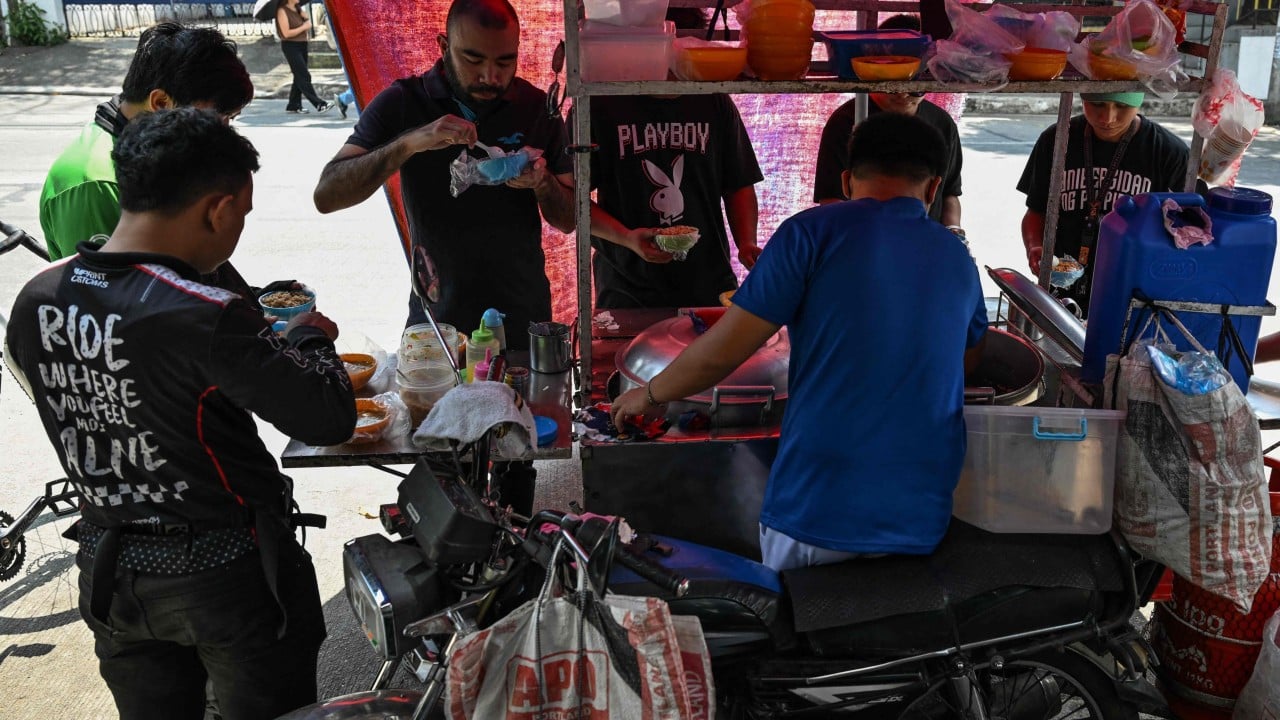
Small business owners are stuck between a rock and a hard place. If they raise prices to cover the gas, they lose the "budget-friendly" appeal that keeps them alive. If they don't, they’re basically paying to serve you. I've seen some stalls in Manila starting to serve meals lukewarm, turning off the burners the moment the rush hour ends to save every centavo of gas. It's a survival tactic, but it's killing the experience of a "beloved" stew.
Why Is This Happening Now
The blame game is in full swing, but the reality is a mix of global chaos and local vulnerability. The Middle East conflict has sent shipping costs through the roof—literally four to five times higher than last year. Since the Philippines imports the vast majority of its LPG, we’re at the mercy of these international waves.
- Shipping Surges: Shipping costs alone added about P30 per kilo to the price.
- Contract Prices: The global contract price for LPG jumped by nearly $95 per metric ton recently.
- Deregulation: Because the industry is deregulated, the Department of Energy (DOE) can't legally "stop" the price hikes; they can only monitor them for "overpricing."
Secretary Sharon Garin recently mentioned that the DOE is even asking the Philippine Competition Commission to check for potential cartel-like behavior. Whether or not that bears fruit doesn't change the fact that the tank in your kitchen or the street-side stall is draining wallets today.
The Bulalo Budget Squeeze
Think about what goes into a bowl of Bulalo. You have the beef shank, which has already seen price hikes due to feed costs and transport. You have the corn, the cabbage, and the spices. But the hidden "tax" is the three to four hours of simmering.
Some cooks are trying to cut corners by using pressure cookers, but purists argue it changes the flavor profile and the clarity of the broth. Others are switching back to charcoal or wood where possible, but in a cramped urban city like Manila, that’s often not an option due to space and local ordinances.
How Carinderias Are Coping
- Portion Control: The price stays the same, but that bone-in shank looks a lot smaller than it did in January.
- Limited Menus: Shops that used to offer five different slow-cooked stews are cutting back to one or two to consolidate burner time.
- The "LPG Surcharge": Some places are being transparent, adding a small fee specifically labeled for fuel costs.
Honestly, it’s heartbreaking. These stalls aren't just businesses; they’re community hubs. When the price of gas makes it impossible to serve a hot meal at a fair price, the social fabric of the neighborhood starts to fray.
What You Can Do to Save at Home
If the price shock is hitting your own kitchen, you don't have to give up on your favorite stews. You just have to be smarter about the physics of cooking.
First, stop "peeking." Every time you lift the lid of a simmering pot, you lose heat that took minutes of LPG to generate. Use a heavy, tight-fitting lid to create a mini-environment that retains every bit of energy. Second, soak your beans or tougher cuts of meat overnight. It sounds simple, but reducing your boiling time by 30 minutes can save you a noticeable amount of gas over a month.
Third, check your tank’s validity. Old, leaky valves are more than a safety hazard; they’re literally "bleeding" money into the air. If you smell gas, you’re paying for a product you aren't even using.
Is There an End in Sight
The DOE claims supply is sufficient for the next 30 to 35 days, so we aren't looking at a shortage—just a price crisis. They’re exploring government-to-government deals with countries like Australia or the US to stabilize costs, but those aren't overnight fixes.
For now, the suggested retail price (SRP) in Luzon is capped at P1,600 for an 11-kg tank. If your local dealer is charging P1,700 or P1,800, they are breaking the law. You can report these overpricing instances to your local barangay or the PNP through the DOE's existing agreements. Don't let yourself get scammed on top of an already painful price hike.
If you’re a regular at a local Pares spot, maybe don't complain too loudly about that extra five pesos. They aren't getting rich; they’re just trying to keep the lights on and the soup warm. Keep a close eye on the weekly price advisories from the DOE to know when to refill your tanks before the next Tuesday hike.