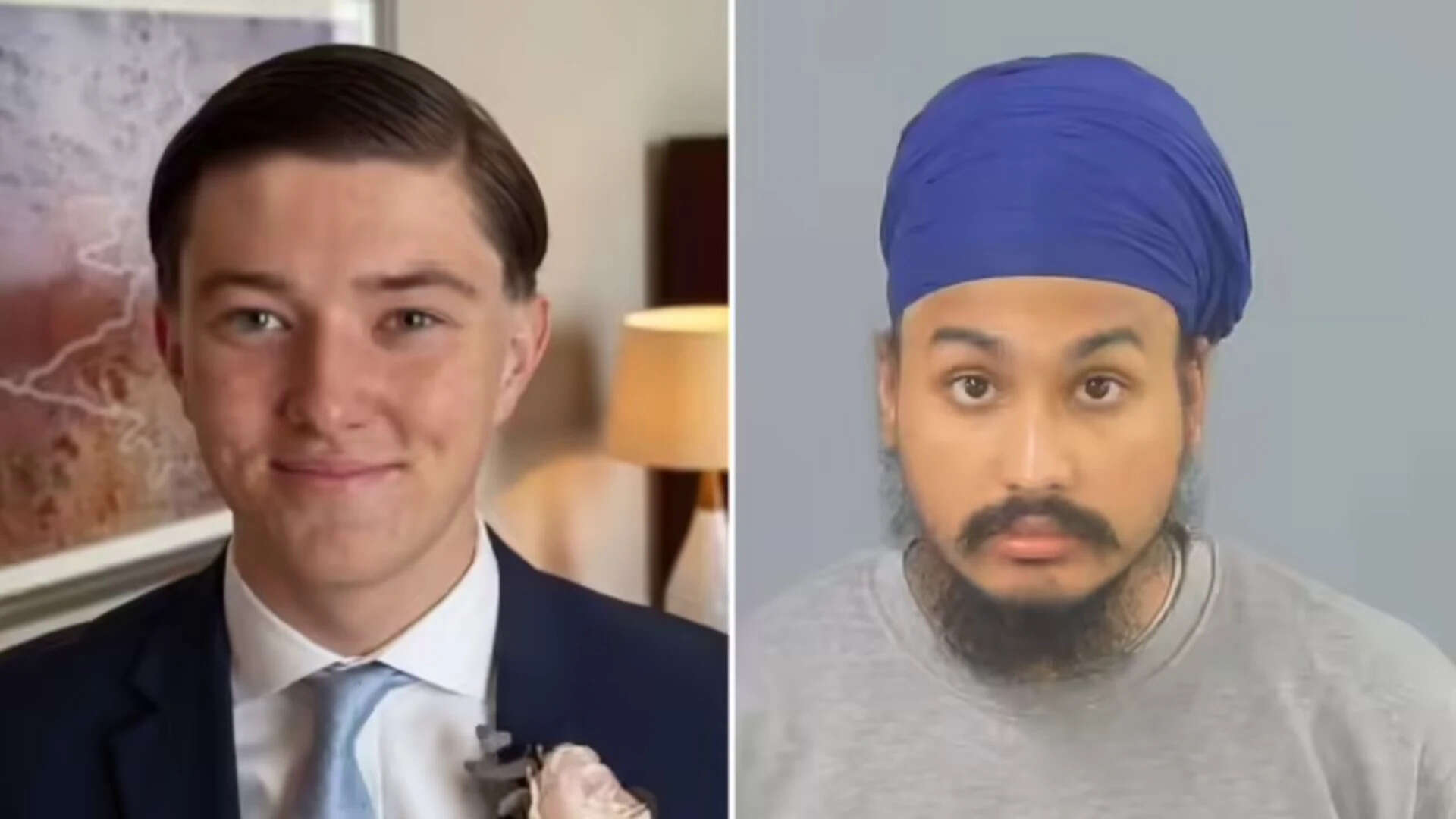
The critical flaw in emergency response isn't always the speed of the sirens. It is the vulnerability of the information stream. When emergency services responded to the assault of Henry Nowak, a deliberate deception by Vickrum Digwa created a blind spot that cost first responders eight vital minutes. It took nearly ten minutes for police to locate a critical stab wound because they were operating on a manufactured narrative. This failure highlights a systemic vulnerability: when dispatchers and officers rely entirely on the integrity of eyewitness testimony at a chaotic scene, the clock becomes the ultimate enemy.
The breakdown in the Nowak case offers a grim case study in how easily the machinery of public safety can be derailed by a single, unverified account.
The Architecture of Misdirection
Emergency dispatch systems are built on a foundational assumption of cooperation. Call handlers ask targeted questions to triage injuries, allocate resources, and brief arriving officers. When that input is intentionally corrupted, the entire response chain fractures.
In the case of Henry Nowak, Vickrum Digwa did not merely remain silent; he actively steered responding officers away from the reality of the situation. By providing a false narrative regarding the nature of the altercation and Nowak's immediate condition, Digwa neutralized the medical training of the first officers on the scene. Police officers are trained to assess the most visible and immediate threats first. When told an individual has sustained a blunt force injury or is suffering from a medical episode, their diagnostic focus narrows.
This cognitive tunneling is a known psychological phenomenon in high-stress environments. Officers arriving at a chaotic scene must process dozens of variables simultaneously: crowd control, suspect apprehension, and immediate first aid. If a witness deemed credible anchors their expectations to a specific cause of injury, symptoms that contradict that narrative are easily missed in the initial seconds. The eight minutes it took to uncover Nowak's stab wound were not lost to laziness. They were consumed by a false premise.
The Blind Spot in First Responder Triage
Police officers are increasingly the first medical assets to arrive at violent incidents, often beating ambulances to the scene by critical margins. Their medical toolkit, however, relies heavily on rapid, visual assessments.
The Problem with Visual Trauma Scans
A puncture wound from a knife can be remarkably deceptive. Unlike gunshot wounds or blunt force trauma, stab wounds can present with minimal external bleeding initially, particularly if thick winter clothing absorbs the blood or if the weapon creates a clean, collapsing tract through tissue.
- The Clothes Barrier: Heavy jackets, dark materials, and layers can mask severe hemorrhaging from a blade.
- Internal Bleeding: A victim may bleed profusely into the thoracic or abdominal cavities while showing only a small smudge of crimson on the skin.
- The Anchoring Effect: When a handler or witness states definitively that no weapon was used, an officer performing a quick pat-down may misinterpret a tear in clothing or a small puncture as a minor scrape.
When Digwa altered the narrative, he essentially blinded the officers to the specific type of trauma Nowak had suffered. In a severe stabbing, eight minutes can span the entire distance between a treatable injury and irreversible hemorrhagic shock. The body's compensatory mechanisms work overtime to maintain blood pressure to vital organs, masking the severity of the decline until the system collapses entirely.
Systemic Vulnerabilities in a High-Stakes Environment
The failure to immediately identify Henry Nowak's wound is part of a broader crisis in modern emergency response management. Dispatch centers are overwhelmed, and front-line officers are expected to serve as law enforcement, psychiatric evaluators, and trauma medics simultaneously.
The reliance on bystander data is an structural necessity, yet it remains the weakest link in the chain. Current protocols demand that dispatchers accept caller statements as factual until proven otherwise, as skepticism could delay resource deployment. If a caller lies maliciously to protect themselves or a suspect, the system operates on poison data from the outset.
To counter this, some agencies are experimenting with body-worn camera livestreams monitored by remote medical professionals during ongoing incidents. The objective is to remove the human bias of the chaotic scene from the initial triage. Had a trauma nurse or supervisor been able to review a live feed of Nowak's physical state without the filter of Digwa’s misdirection, the anomalous symptoms of a penetrating wound might have been flagged sooner.
The Cost of the Lost Window
The human body contains roughly five liters of blood. A laceration to a major artery can cause fatal blood loss in less than five minutes. While not every stab wound targets a major vessel, the delay in applying a chest seal or a pressure dressing alters the survival probability curve drastically.
Every minute without targeted intervention increases the risk of hypoxia, where organs are starved of oxygen, and acidosis, a condition where the blood's pH balance drops to dangerous levels due to poor perfusion. By the time the truth of Nowak's injury was realized, his physiological reserves were already depleted. The investigation into Digwa’s actions shifted from obstruction to a central component of a homicide inquiry, demonstrating that in the eyes of the law, withholding the truth about a lethal injury can be as definitive an act as inflicting it.
The Reality of Deception on the Front Lines
Emergency services cannot simply assume every witness is a hostile actor. Doing so would slow response times to a crawl, paralyzing systems under the weight of excessive verification protocols. The balance between trust and verification remains incredibly fragile.
The legacy of the Nowak case will not be found in a rewrite of basic first aid manuals, but in a harsh re-evaluation of how officers verify scene dynamics when a victim's life is actively ticking away. First responders are trained to look for clues, but they must also learn to look past the stories told by those standing over the body. Digwa's deception succeeded because it exploited a system designed to trust the community it serves.
Trainers must now emphasize that the absence of obvious blood does not equal the absence of a blade. Officers must be taught to systematically strip away the verbal noise of a scene and conduct thorough, physical checks of a victim's torso regardless of what bystanders claim occurred. Trusting a witness statement at a violent scene should be treated as a secondary luxury, not a primary diagnostic tool. The eight minutes lost in the search for Henry Nowak's wound stand as a stark, undeniable warning that words kill just as effectively as steel. Measures must change before the next fabrication claims another life on some dark, unverified street.