Information warfare relies on speed. Modern newsrooms chase real-time metrics, prioritizing velocity over verification. When an anonymous account on social media posts a sensational claim about geopolitical conflict, digital desks often share the content before checking the metadata. This systemic vulnerability manifested dramatically when a fake profile impersonating an Indian woman named Ritika manipulated major broadcasting networks and high-ranking political figures into amplifying fabricated war propaganda.
The mechanics of modern online manipulation expose severe flaws in how information travels from obscure forum posts to prime-time television. Understanding this incident requires examining the anatomy of a viral hoax, the psychological vulnerabilities of political actors, and the operational failures of contemporary media verification processes.
The Anatomy of the Fake Persona
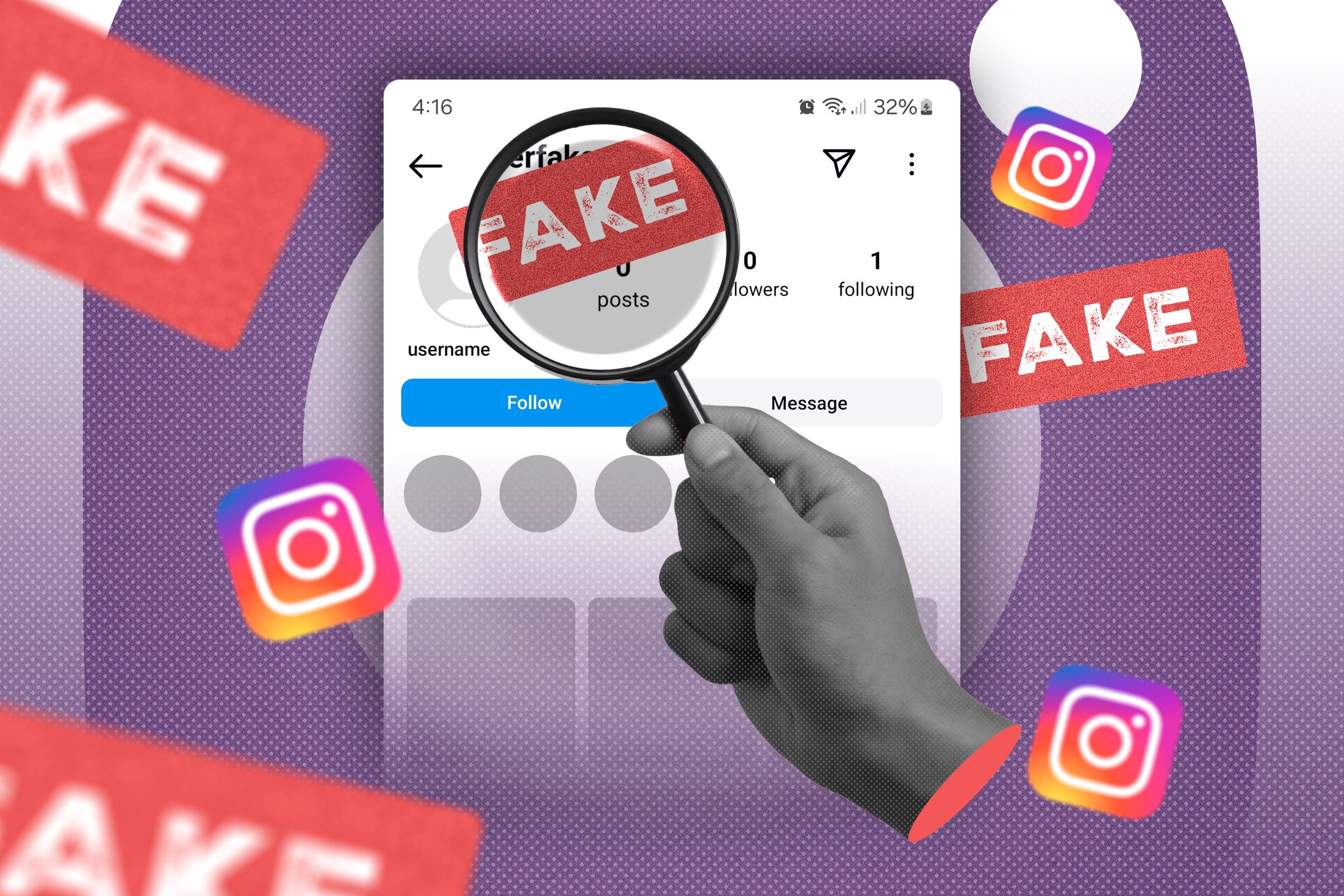
The operation began on social media platforms where anonymous accounts construct elaborate digital identities to gain algorithmic trust. The persona at the center of this controversy used the name Ritika, positioning herself as an ordinary Indian citizen commenting on global affairs. This setup is a classic social engineering tactic. By presenting as a neutral, independent observer from the Global South, the account bypassed the immediate skepticism usually reserved for official state media or known partisan handles.
Anonymous actors frequently use stolen or AI-generated photographs to manufacture authenticity. The profile accumulated engagement by blending mundane commentary with explosive, fabricated claims about military strikes and diplomatic crises in the Middle East. Algorithms reward high engagement rates regardless of factual accuracy. As the account posted increasingly provocative content regarding conflict zones, the recommendation engines pushed the posts toward journalists and political staffers monitoring real-time keywords.
The strategy worked because it exploited confirmation bias. Analysts and commentators looking for immediate reactions to unfolding geopolitical events eagerly grabbed unverified digital chatter that aligned with their existing narratives. The profile did not need a massive following. It merely needed to target the right amplifiers.
Reaching the Highest Office
The most alarming aspect of this digital deception was the penetration of state-level security apparatuses. Accounts associated with the Israeli Prime Minister's office and major networks like Fox News treated the fabricated material as legitimate intelligence or eyewitness reporting. When a head of government or a multi-national news corporation cites an unverified social media post, the systemic failure extends far beyond a simple internet prank. It highlights a dangerous degradation of open-source intelligence protocols within institutional hierarchies.
Political offices maintain dedicated monitoring teams, yet these teams often operate under intense pressure to react instantly to breaking developments. In a crisis, the penalty for being late outweighs the penalty for being wrong. This institutional impatience creates a wide-open vulnerability for bad actors. If a hostile state or a lone agitator can inject fake catastrophe reports into the workflow of a prime minister, the national security implications are severe.
Fox News faced a parallel trap. Cable news production operates on a continuous news cycle that demands constant visual and anecdotal validation of ongoing conflicts. When social media posts claim dramatic ground developments, producers seize upon the material to maintain viewer engagement. The distinction between a verified field report and a manufactured tweet dissolves entirely under deadline pressure.
The Systemic Failure of Media Verification
Journalism used to rely on the principle of dual sourcing. Today, digital desks frequently rely on single-source social media posts, laundering unverified rumors through reputable mastheads to manufacture false credibility. When a major network broadcasts a claim originating from an anonymous account, casual viewers assume extensive vetting occurred behind the scenes.
The reality is far more mundane and reckless. A twenty-something desk assistant finds a high-engagement post, runs it past an overburdened senior producer, and pushes it to air. Once the claim is broadcast, it achieves circular validation. The social media account uses the broadcast as proof of its own legitimacy, prompting secondary networks to pick up the story.
This feedback loop poisons the information ecosystem. Counter-disinformation researchers spend days debunking claims that travel around the globe in seconds. Even when retractions or corrections are issued, they rarely receive a fraction of the audience that consumed the original falsehood. The damage to public discourse is permanent, eroding trust in legitimate journalism while empowering bad actors to sow further chaos.
The Geopolitical Cost of Algorithmic Credulity
Foreign interference campaigns no longer require sophisticated cyber-attacks against critical infrastructure. Sometimes, a well-placed falsehood on a public timeline is enough to manipulate diplomatic signaling, spark panic markets, or provoke unnecessary military escalations. When leaders respond publicly to digital fabrications, they signal their operational vulnerabilities to adversaries.
Adversarial nations and independent trolls watch these episodes closely. They catalog which networks are most susceptible to rapid amplification and which political offices fail basic verification checks. Every successful hoax serves as a blueprint for future operations, refining the methods used to exploit human psychology and technological architecture.
Securing the information space requires an urgent cultural shift among media organizations and government agencies. Speed must take a back seat to verification. Institutional reliance on unverified social media chatter must be treated as a professional negligence issue rather than an acceptable hazard of the digital age. Until newsrooms and political offices rebuild their resistance to manufactured outrage, anonymous actors will continue to dictate the terms of global discourse.