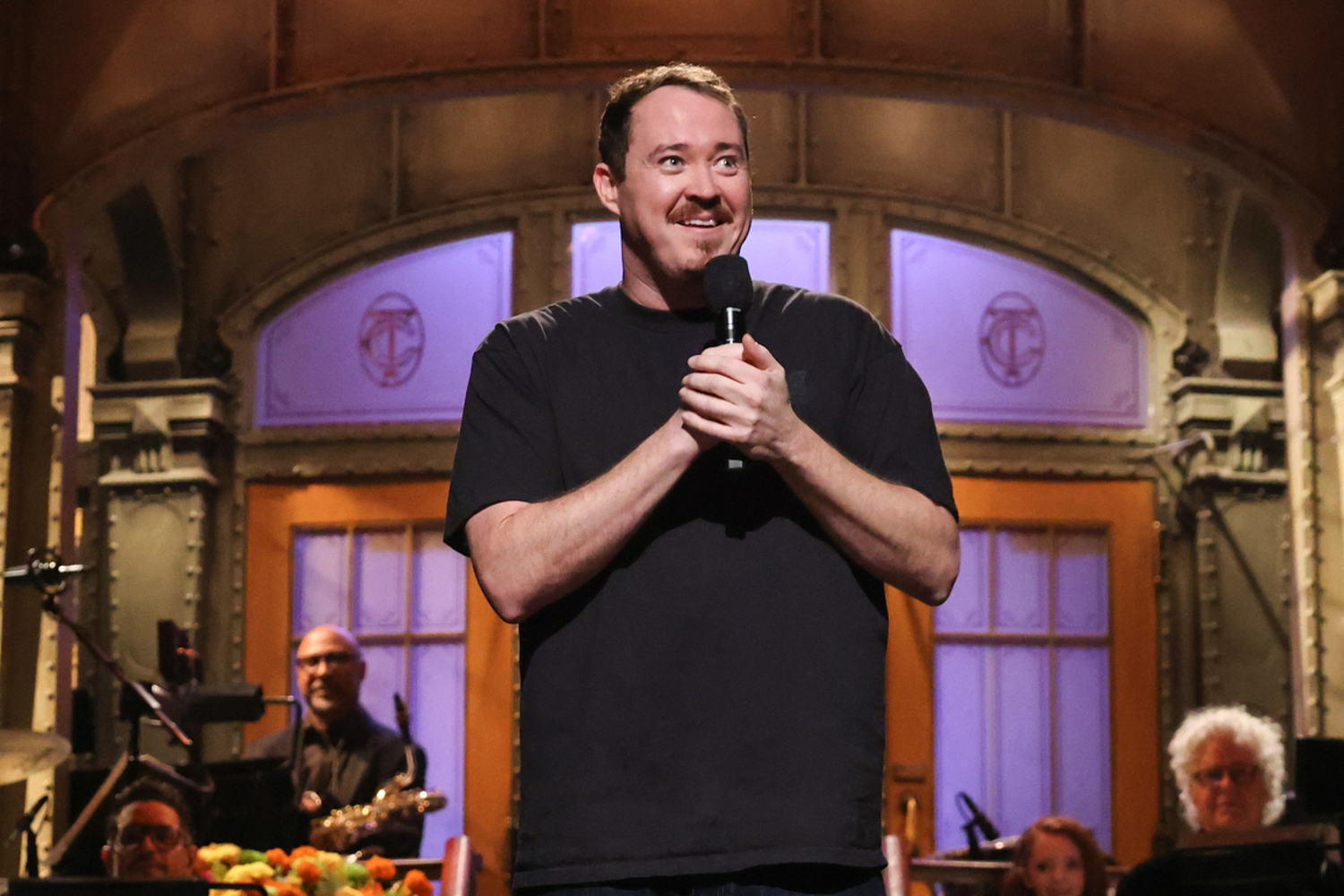
The outrage machine does not care about comedy. It cares about inventory. Every Monday morning, a specific class of digital commentators wakes up needing fresh fodder for the content mill, and Shane Gillis hosting Saturday Night Live was the easiest layup of the quarter. The think pieces wrote themselves before he even walked out to the Rockefeller Center stage. Critics shrieked about sexism, pearl-clutching columnists lamented the fall of standards, and social media feeds clogged with hand-wringing declarations about how commercial broadcasting had lost its soul.
It was predictable, lazy, and fundamentally dishonest.
If you actually watched the set instead of skimming outraged tweets, you saw something entirely different. You saw a veteran stand-up navigating the most hostile room in entertainment with precision, refusing to apologize for his cadence, and exposing the deep disconnect between internet morality and actual human rooms. The pearl-clutchers missed the point because understanding the point requires admitting that stand-up comedy operates on a different frequency than corporate PR.
Let us dismantle the lazy consensus.
The Manufacturing of Modern Outrage
The core argument against Gillis rested on a tired premise: that joking about domestic dynamics or gender roles is inherently regressive. This is the comfort food of cultural criticism. It assumes art must be a moral tutorial, a clean little after-school special where everyone behaves according to updated guidelines.
Real comedy has never worked that way.
I have spent enough time backstage in smoky clubs from New York to Austin to know how rooms actually breathe. Audiences do not laugh at hate; they laugh at recognition. When a comedian pokes fun at the friction between how men and women navigate daily life, they are touching raw nerve endings that polite society pretends do not exist. Pretending those friction points are gone does not make them disappear. It just drives them underground, where people cannot laugh about them anymore.
The critics treating Gillis as a threat to progress are making a fundamental error. They are confusing the messenger with the message, and worse, they are confusing performance art with a platform speech. Stand-up is a pressure valve. When you try to weld the valve shut because you find the steam unpleasant, the boiler explodes.
The SNL Paradox
Let us look at the mechanics of the show itself. Saturday Night Live is a corporate institution terrified of its own shadow, squeezed between network standards and an easily triggered digital mob. Bringing Gillis back—after firing him years prior over old podcast comments—was calculated corporate theater. NBC wanted the controversy bump. They wanted the articles. They wanted the discourse.
And then Gillis gave them a standard, working-man stand-up set that treated the audience like adults.
That was the real crime. He didn't pander. He didn't pause for dramatic, emotional effect or signal his political alignment with a trembling lower lip. He just told jokes with the rhythm of a guy who spent years playing rooms where hecklers throw glasses. The contrast between his unbothered delivery and the anxious twitchiness of modern media commentary was stark.
The critics claimed his jokes about women were old-fashioned. That is code for "he didn't use our vocabulary." His material observed the mundane absurdities of modern relationships—the low-stakes domestic warfare that every married couple experiences in their kitchen on a Tuesday night. Translating those observations into a broad television format always requires a blunt instrument. If you want pristine, academically approved gender discourse, turn off NBC and read a sociology journal. If you want to laugh at the awkward truth of how men and women misunderstand each other, you watch a guy who knows how to work a punchline.
The Cost of Sanitized Culture
Here is the downside of the cultural critique I am offering: it creates a vacuum. When you police comedy until every edge is sanded off, you don't get a more enlightened society. You get boring art. You get performers who write jokes by committee, running every punchline past an imaginary compliance officer before they step on stage.
We have seen this play out across Hollywood, publishing, and music over the last decade. The result isn't utopia; it's a sterile cultural desert where nobody takes risks because the penalty for missing a note is professional exile. Gillis survived his exile because his audience bypassed the gatekeepers entirely. He built a direct pipeline to millions of listeners who were starving for someone who didn't sound like a press release.
When the mainstream media tried to rope him back into their jurisdiction for one Saturday night, they expected him to bend the knee or implode. Instead, he just did his job.
The outrage wasn't about sexism. It was about control. The commentators who spent three days writing about his monologue were angry because they realized they don't own the culture anymore. They can write all the think pieces they want, but the room belongs to the person who can make the crowd laugh.
Stop asking comedy to be church. Stop expecting stand-ups to pass your purity tests. Let people laugh at the messy, awkward reality of being human, and spend your Monday mornings worrying about things that actually matter.