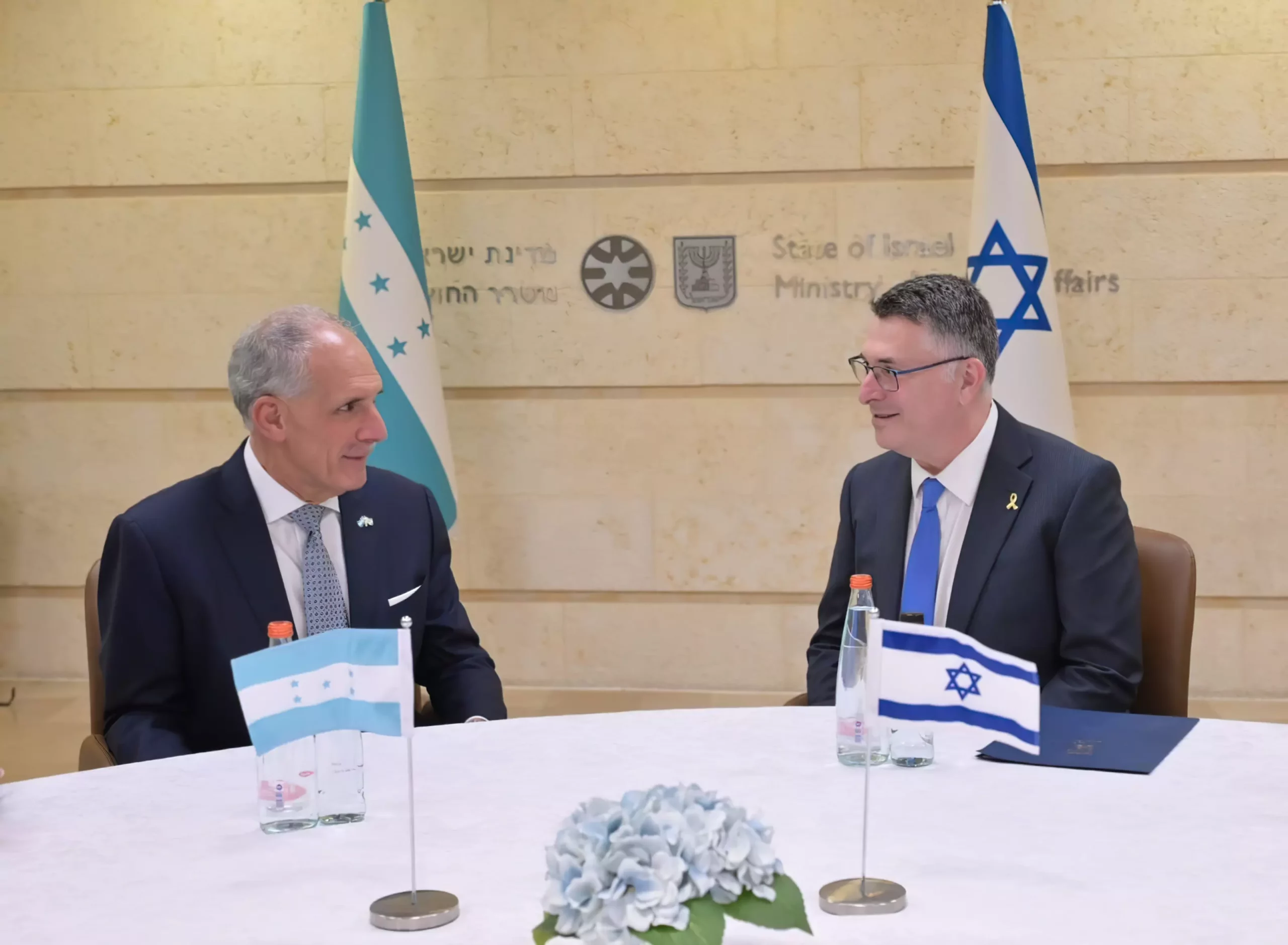
Another delegation is packing bags for the Middle East. Another batch of diplomatic communiques is being drafted in air-conditioned boardrooms thousands of miles away from the rubble of Gaza. The mainstream press treats these missions like moments of high drama, breathlessly reporting on transit schedules and handshake photo ops as if the sheer momentum of bureaucratic motion could substitute for actual strategy.
It is professional theater. Worse, it is an insult to anyone paying attention to the ground-level mechanics of power.
The lazy consensus in international relations holds that diplomacy breaks down because negotiators simply lack the right formula, or because political leaders on the ground refuse to show courage. This is a comforting fairy tale. It allows foreign policy establishments to pretend that every deadlock is just one more earnest workshop away from resolution.
The reality is colder: the current diplomatic framework survives because failure is profitable for the intermediaries, while the actual stakeholders are locked into zero-sum survival loops that no amount of diplomatic spin can dissolve.
The Myth of the Structural Blueprint
Every time a new peace initiative hits the wire, pundits talk about blueprints, roadmaps, and frameworks. This language assumes that the conflict is an engineering problem. If we just align the borders right, secure the right water rights, and set up a multi-national police force, the engine will start.
This is fundamentally backwards.
I have watched policy shops churn out multi-million dollar stabilization reports that ignored the most basic operational reality: institutions do not fail because they are poorly designed; they persist in their dysfunction because powerful actors derive rents from that exact dysfunction.
When envoys fly into the region talking about comprehensive settlements, they are solving a problem that does not exist while ignoring the one burning in front of them. The core miscalculation is assuming that the primary actors want a permanent resolution more than they want to manage the status quo in their favor.
Why Conventional Envoys Keep Missing the Mark
- The Incentive Mismatch: External negotiators are incentivized by process, not outcome. An envoy scores a win by keeping talks alive, regardless of whether those talks yield a single millimeter of practical change.
- The Abstraction Trap: Treating localized security dilemmas as abstract moral failures avoids the dirty work of mapping economic leverage and factional survival.
- The Authority Vacuum: Negotiating with figures who lack enforcement capacity over armed factions is like signing a contract with a ghost.
The Economics of Perpetual Crisis
Let us look past the rhetoric of humanitarian concern and examine the cold ledger of incentives.
In any prolonged conflict, an ecosystem grows around the management of the misery. Billions in aid flow through bureaucratic funnels. Political factions build domestic legitimacy not by delivering prosperity, but by branding themselves as the sole defense against an existential other. When survival depends on maintaining external threats, peace becomes an existential threat to the political class itself.
Imagine a scenario where a comprehensive treaty is signed tomorrow, borders are demarcated, and trade opens up. Overnight, the entire political economy of grievance collapses. Patronage networks dry up. Foreign aid budgets get slashed. Accountability replaces revolutionary romanticism.
For the gatekeepers on multiple sides, a stable peace is a nightmare scenario.
This is why every peace plan that relies on the goodwill of current power structures is dead on arrival. You cannot negotiate a settlement with people whose entire brand and budget depend on the continuation of the quarrel.
Dismantling the Negotiation Playbook
If you want to understand why envoys fail, look at what happens when they land. They meet with the usual suspects, issue joint statements about the importance of restraint, and fly home before the ink dries.
This is institutional malpractice. Real leverage does not come from eloquent lectures delivered by temporary officials who will be lobbying for defense contractors three years from now. It comes from altering the cost function of bad behavior until persistence becomes more expensive than compromise.
The Three Rules of Realpolitik Ignored by Modern Diplomats
- Never negotiate with actors who cannot deliver their own streets. If a leader cannot stop a mortar strike or control a militia, talking to them is just subsidizing their irrelevance.
- Economic leverage must be immediate and asymmetric. Vague promises of post-conflict reconstruction funds mean nothing to actors living day-to-day. Current resource flows must be tied directly to behavioral shifts in real time.
- Process is a weapon. If talks are used merely to buy time for military positioning, treat them as such, or walk away. Endless talking without enforcement degrades the credibility of international law until it is entirely toothless.
The Brutal Truth About Humanitarian Diplomacy
We must also confront the moral hazard inherent in modern humanitarian intervention. When aid delivery becomes decoupled from political accountability, it often acts as a subsidy for ongoing conflict.
This is the conversation nobody in polite diplomatic circles wants to have. If external actors step in to feed populations, manage rubble, and patch up the wounded without demanding structural changes from the authorities controlling those populations, they are effectively underwriting the war machine. They are picking up the overhead costs of governance so that local factions can reallocate their own revenues toward arms and ideological mobilization.
It is compassionate in the short term and catastrophic in the long term. It locks societies into permanent dependency while shielding decision-makers from the domestic consequences of their own aggression.
What Real Intervention Looks Like
Stop treating the Middle East peace process as a diplomatic salon. Treat it like a hostile corporate turnaround.
That means cutting off the oxygen to bad actors. It means freezing assets, dismantling illicit supply chains, and bypassing compromised intermediaries to deal directly with commercial and civic nodes that have a stake in actual commerce and stability. It means accepting that order precedes justice, and security precedes democracy, rather than the other way around.
Until Western foreign ministries throw out their playbooks and accept that peace requires breaking the power of those who profit from war, every new envoy’s flight is just another expensive tourist trip to the graveyard of good intentions.