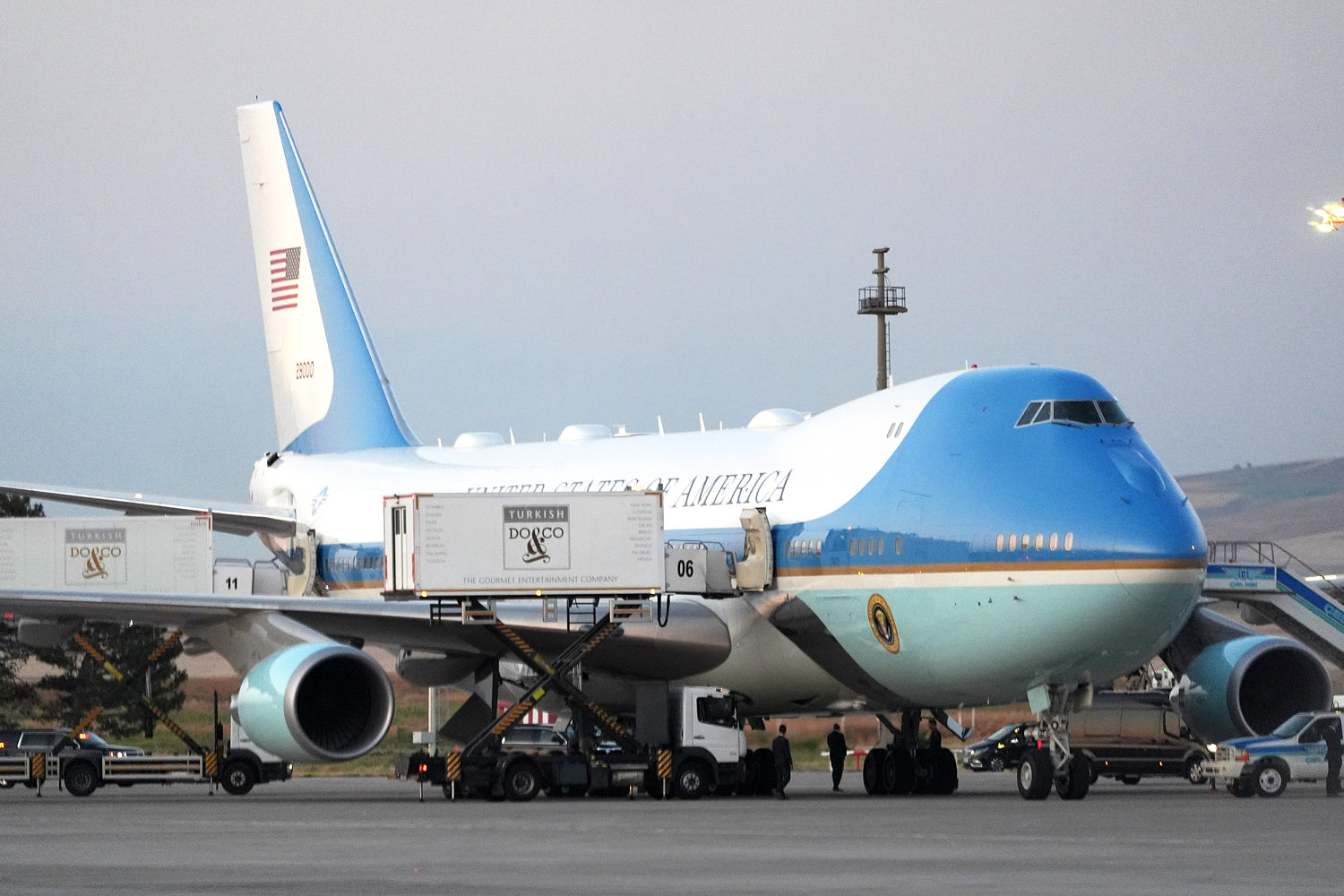
The internet loves a spy thriller. Give the public a map, a rumor about an anonymous aircraft, and a backdrop of regional tension, and they will stitch together a cinematic masterpiece of evasion. The viral narrative claiming a former president slipped out of Turkey under the cover of darkness during an escalating conflict with Iran is a masterclass in modern digital folklore. It ticks every box for the armchair intelligence officer. It is dramatic. It is mysterious.
It is also completely disconnected from how modern power actually operates.
I have spent years tracking aviation logistics, political movements, and crisis management protocols for high-profile figures. I have watched commentators lose their minds over routine flight tracking data, turning standard diplomatic positioning into cloak-and-dagger fiction. The lazy consensus surrounding this supposed covert exodus relies on a fundamental misunderstanding of how the world's most scrutinized individuals travel.
Let us dismantle the myth.
The Transponder Myth and the Amateur Sleuths
The core of the rumor rests on a basic technological misconception: the idea that turning off a transponder equals vanishing.
Amateur flight trackers look at a blank spot on a public radar screen and assume invisibility. They do not understand the architecture of global airspace management. Civilian ADS-B data is public, yes. But turning off a transponder in sovereign or heavily monitored airspace does not render a plane a ghost. It renders it a target. Military radar systems, ground-based air defense networks, and regional intelligence apparatuses do not rely on civilian transponders to know what is in the sky.
If a wide-body aircraft or a heavy VIP jet departs from a major strategic hub in Turkey without proper clearance, military command centers from multiple nations know about it before the wheels leave the tarmac. The notion that someone can sneak an international flight out of a heavily militarized NATO airspace undetected because they switched off a public tracking app belongs in a bad spy novel.
Real power does not sneak around in the dark. Real power operates in plain sight with explicit, terrifying authorization.
The Logistics of Power Are Boring, Not Cinematic
When leaders or high-ranking political figures move during a geopolitical crisis, they do not need elaborate disguises or clandestine midnight escapes from foreign airstrips. They use established diplomatic channels, pre-cleared sovereign corridors, and military transport assets that possess absolute authority.
Think about the sheer footprint of an international flight. You need ground crew, fuel services, air traffic control coordination, and diplomatic clearance overflight permits. The idea that a government can orchestrate a phantom flight through a volatile Middle Eastern corridor without leaving a paper trail of diplomatic cables, security briefings, and fuel manifests ignores how institutional bureaucracy works.
Secret flights are an administrative nightmare and a security vulnerability. Governments choose predictability over theatricality every single time. If a departure happens, it is coordinated with the host nation at the highest levels. It is logged, tracked by military assets, and protected by rules of engagement that make interception unthinkable.
Why the Media Loves the Secret Flight Trope
Why do reputable outlets and viral commentators latch onto these ridiculous theories? Because simplicity sells, and nuance does not generate ad revenue.
The modern information ecosystem rewards speed over verification. When an anonymous account on social media posts a screenshot of a darkened flight path near Ankara or Istanbul, it triggers a cascade of speculation. Narrative builders do not want to hear about standard diplomatic repositioning or routine maintenance flights. They want intrigue. They want a clandestine escape plot.
This laziness shapes public perception of international relations. It reduces complex geopolitical negotiations and military posture shifts down to individual cartoonish maneuvers. It assumes that global politics is run like a Hollywood action movie where people dodge missiles by pulling sharp turns over the Mediterranean.
The truth is far less entertaining and infinitely more rigid.
The Real Danger of Manufactured Mystery
Distorting reality for clicks has a tangible cost. When the public is fed constant diets of elaborate conspiracies about secret flights and hidden agendas, they lose touch with the actual mechanics of crisis escalation.
While internet sleuths stare at flight logs trying to find a ghost plane, real diplomatic channels are straining under actual economic pressures, intelligence sharing agreements, and military deployments. By focusing on phantom escapes, we miss the structural reality of how states negotiate, posture, and back down.
We need to stop treating international politics like a roleplaying game.
How to Read Crisis Reporting Without Losing Your Mind
If you want to cut through the noise the next time a sensational rumor about political movements drops, apply a basic filter of operational reality.
- Check the logistics. Ask yourself how a multi-ton aircraft moves without fuel, maintenance, and air traffic control. If the theory requires violating the laws of aviation administration, it is false.
- Look for institutional incentives. Why would anyone take the massive, uncalculated risk of a rogue flight when official, protected transport channels exist?
- Trace the source. Nine times out of ten, the origin is an unverified social media account leveraging a public flight tracking tool to farm engagement.
Stop buying into the myth of the midnight escape. The people who run the world do not need to sneak around. They simply change the rules so they do not have to.


