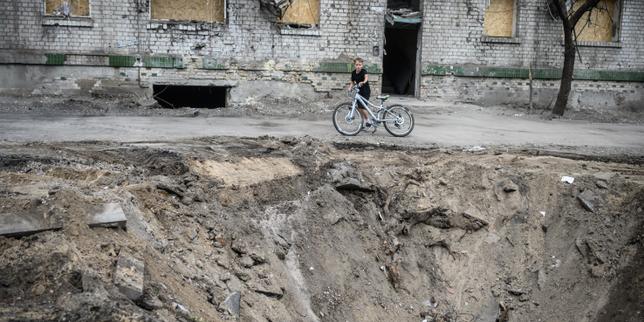
More than five million Ukrainian refugees crossed into European nations after full-scale military conflict erupted in early 2022. That single migration wave reshaped administrative systems, housing markets, and labor rules across the continent almost overnight.
Numbers from the United Nations High Commissioner for Refugees (UNHCR) showed unprecedented movement. Millions of displaced individuals needed immediate relief, shelter, and legal recognition. What happened next surprised policy analysts who had spent decades watching European bureaucracy move at a snail's pace.
How the Temporary Protection Directive changed everything
When the crisis hit, the European Union invoked its Temporary Protection Directive for the very first time. Passed back in 2001 after the Balkan conflicts, the mechanism sat unused for over two decades. Applying it in March 2022 granted displaced Ukrainians immediate residency, work access, healthcare, and schooling without forcing individuals through months of traditional asylum procedures.
It was fast. It worked.
Refugees received legal statuses in days rather than years. Poland, Germany, and the Czech Republic took on massive shares of the population. Warsaw welcomed hundreds of thousands in the initial weeks alone. Local families opened up spare bedrooms while local municipalities converted arenas into temporary intake hubs.
The approach bypassed traditional bottlenecks. Standard asylum claims usually require lengthy background checks, interviews, and appeals during which applicants often aren't allowed to work. By skipping that red tape, European countries allowed millions to secure jobs, pay local taxes, and contribute directly to their host communities right away.
The real cost and housing reality across host cities
Integration hasn't come without friction. Finding housing remains the biggest obstacle across major Western cities. Rent prices skyrocketed in Prague, Warsaw, and Berlin as demand surged.
Host nations rolled out direct stipends to local families housing refugees. That helped early on, but long-term solutions required transition to independent rentals. In places like Germany, municipal centers struggled to transition people from group shelters into permanent apartments due to existing urban housing shortages.
School systems faced huge adjustments too. Language barriers meant schools had to hire bilingual aides rapidly. Tens of thousands of Ukrainian mothers—who made up the bulk of adult arrivals due to martial law restrictions on men leaving Ukraine—had to balance working, childcare, and navigating brand-new social security protocols.
Labor market impact and economic realities
A major myth was that refugee influxes drain national budgets without returning value. Economic data tells a far more nuanced story.
Many European countries faced severe labor shortages in healthcare, hospitality, logistics, and tech prior to 2022. Ukrainian workers filled critical gaps quickly. In Poland, research showed that tax contributions from employed refugees rapidly began offsetting public expenditure on initial relief programs.
However, skill mismatches persist. Qualified Ukrainian professionals—doctors, engineers, teachers—frequently took jobs below their qualification levels due to strict credential recognition laws in recipient countries. Simplifying professional license conversions remains an ongoing challenge for host governments.
The contrast in refugee treatment standards
The rapid, warm reception offered to Ukrainians highlighted glaring differences in how Europe handles displaced populations. Critics and human rights groups pointed out that asylum seekers from the Middle East, Africa, and South Asia faced far stricter border enforcement, prolonged detention, and bureaucratic barriers.
This dual standard sparked intense policy debate inside the European Parliament. While host countries argued that geographic proximity, cultural ties, and legal mechanisms justified the targeted response, human rights experts argue the streamlined model should become standard practice for all humanitarian emergencies.
Steps for navigating European assistance programs
If you are managing displaced status or supporting family members through European protection frameworks, take these concrete steps immediately:
- Register for official temporary protection status at local municipal administration offices rather than filing traditional asylum applications.
- Register with local employment agencies right after securing residency to gain legal access to job placement services and language courses.
- Apply for health insurance coverage immediately through state intake centers, as emergency medical care rules vary by municipality.
- Verify local qualification recognition portals to begin converting educational degrees or technical certifications early.