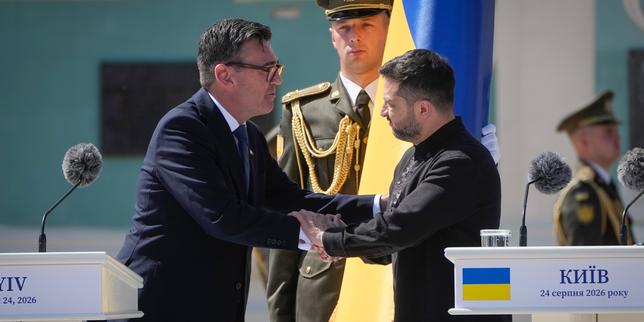
Look past the diplomatic handshakes and official communiqués. European capitals are waking up to a brutal reality. Moscow isn't just fighting a conventional war for territory anymore. They're waging a systematic campaign of fear designed to break civilian morale.
When European leaders step up to denounce the strategy of Russian terror in Ukraine, they aren't just using strong rhetoric. They're responding to a deliberate playbook. Hospitals, power grids, and residential blocks aren't collateral damage. They're targets.
The Shift in European Resolve
For months, the Western response felt reactive. Every time a missile slammed into an apartment building in Dnipro or a power plant in Kharkiv, the reaction followed a predictable script. Expressions of shock. Condemnations at the United Nations. Promises of more air defense systems down the road.
That script is dead.
European officials now openly frame these attacks as crimes against humanity. They see a direct line between the freezing apartments of Kyiv in mid-winter and the deliberate targeting of grain storage facilities on the Danube. Moscow wants to make daily life in Ukraine unbearable. The goal is simple. Freeze them, starve them, and terrorize them into submission.
European leaders are pushing back because they know what happens if this works. It sets a terrifying international precedent. If flattening cities and weaponizing winter can rewrite borders, nobody's safety is guaranteed.
Dismantling the Logic of Destruction
Let's talk about why this strategy exists. Traditional military doctrine focuses on destroying enemy forces, supply lines, and command centers. That costs money and risks troops.
Terrorism from the skies costs missiles, but it saves soldiers.
When you strike a children's hospital in the middle of the day, you send a message. You tell a nation that no place is safe. You tell parents that shielding their kids is impossible. Moscow calculates that psychological exhaustion will eventually crack political will in Kyiv. They think Ukrainians will eventually beg their government to surrender just to stop the sirens.
They miscalculated.
Ukrainians aren't breaking. But the cruelty of the approach has forced Europe to radically rethink its own security architecture. Billions in humanitarian aid aren't just charity anymore. They're emergency triage for a society under continuous psychological siege.
What the Rhetoric Misses
Here is the uncomfortable truth about these European condemnations. Words are cheap.
When Brussels declares that Moscow's terror tactics are unacceptable, millions of Ukrainians check their power banks and wonder when the next blackout hits. Condemnations don't intercept cruise missiles. Resolutions don't rebuild pulverized transformer stations.
European populations support Ukraine in theory, but their leaders hesitate on delivery timelines. Bureaucracy kills. Red tape delays the very Patriot batteries and F-16 fighter jets needed to stop the slaughter from the air.
If Europe wants its outrage to matter, it has to match its moral stance with industrial output. Factories need to run twenty-four hours a day. Shell production needs to triple. Air defense components need to ship yesterday, not next quarter.
The Broader Danger to the West
This campaign of fear doesn't stop at the Ukrainian border.
Intelligence agencies across the continent are tracking a surge in covert operations, sabotage, and cyberattacks on critical infrastructure inside European Union member states. Cut undersea cables. GPS jamming over the Baltic Sea. Arson attacks on warehouses linked to military supply chains.
Moscow's terror strategy is scalable. It leaks across borders.
European leaders are finally connecting the dots. They realize that standing by while Ukrainian civilians freeze in the dark is an invitation for instability at home. The hybrid war is already here. Pretending it is isolated to the east is a luxury nobody can afford.
Stop waiting for a diplomatic breakthrough that won't happen. The only language understood in the Kremlin is raw, unyielding strength combined with absolute economic isolation. Europe is starting to speak that language fluently. Now they just need to back it up with iron.