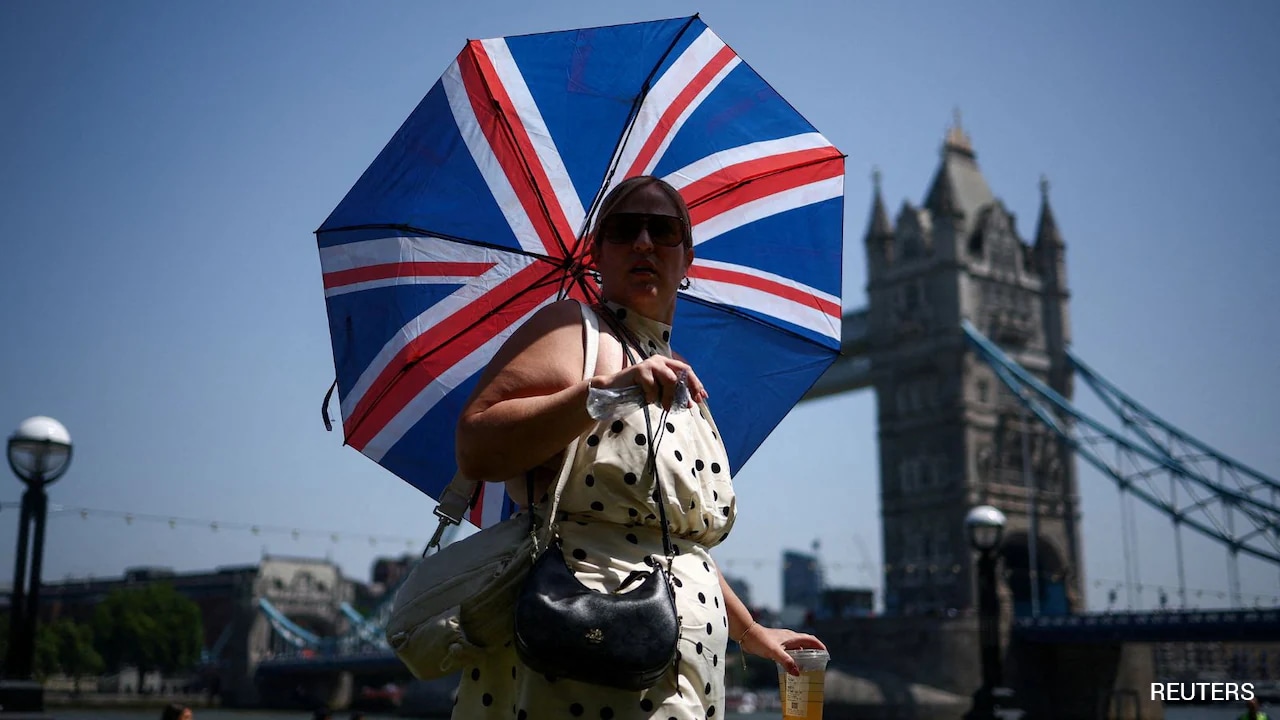
We love a sunny weekend in Britain. But that romanticized view of summer is costing lives. Official data from the UK Health Security Agency shows that back-to-back extreme heatwaves in May and June triggered an estimated 2,877 excess deaths in England alone.
Let that sink in. Nearly 3,000 people died before July even began. That figure is nearly double the total heat-related mortality for the entire summer of 2025. We are sleepwalking into a climate emergency, and our infrastructure is entirely built for the wrong century.
The Myth Of The Mild British Summer
For decades, British architecture assumed buildings only needed to trap heat. Homes feature thick insulation, double-glazed windows designed to retain warmth, and zero cross-ventilation. When temperatures cross 35°C, these houses turn into literal brick-and-mortar ovens.
The UK Health Security Agency tracks these trends ruthlessly. Their recent analysis attributes 753 fatalities to the May heatwave, followed by a staggering 2,124 deaths during the severe June spike.
And yet, public discourse still treats these spikes as pleasant beach weather rather than public health disasters. Dr. Ross Thompson from the UKHSA notes that hot weather now poses a massive structural danger to public health. People refuse to take precautions because a scorching afternoon feels like a holiday treat, not a lethal threat.
Who Is Actually At Risk
Heat does not affect everyone equally. Vulnerability clusters heavily around older adults, people with pre-existing cardiovascular or respiratory conditions, and residents living in deprived urban areas with minimal green space.
When ambient temperatures stay elevated through the night, the human body gets no reprieve. Core body temperatures fail to drop. The heart works overtime to cool the skin, placing immense strain on anyone with underlying heart or kidney issues.
Women also face distinct physiological vulnerabilities during prolonged heatwaves. Hormonal variations and differences in thermal regulation mean that female mortality rates during severe heat events often outpace male rates in equivalent age brackets. Pregnant women face extreme complications due to core temperature spikes.
Why Our Healthcare System Is Breaking
The NHS was built to handle winter surges. Flu outbreaks and cold snaps drive the traditional annual panic in emergency wards. Summer was supposed to be the quiet season.
That seasonal safety net is gone. Health Secretary Yvette Cooper recently pointed out that summer heat now places severe, crushing pressure on hospital admissions. Ambulances struggle, emergency departments bake without adequate air conditioning, and elective procedures face cancellations because wards become dangerously hot.
We are facing a systemic failure. The Climate Change Committee warns that over ninety percent of British homes could overheat dangerously by 2050. We lack mandatory workplace temperature caps, our schools regularly close due to melting infrastructure, and our urban planning prioritizes concrete over tree canopy cover.
What You Need To Do Right Now
Waiting for the government to retrofit every Victorian terrace or public hospital will take decades. You have to protect yourself and your household immediately.
- Block the sun early: Close your curtains and blinds on windows facing direct sunlight before the sun hits them in the morning. Stop heat from entering your home instead of trying to cool it down later.
- Cross-ventilate strategically: Only open windows late at night when the outside air temperature finally drops below your indoor temperature.
- Hydrate before you feel thirsty: Older adults lose their sense of thirst perception. Keep water visible and sip constantly during heat alerts.
- Check on vulnerable neighbors: If you live near elderly residents or people living alone, knock on their doors during red heat warnings. A simple check-in prevents tragedy.
Stop treating extreme heat as a lucky break from the rain. It's a silent killer that demands an immediate change in how we build, live, and protect our communities.