The global energy market and the domestic industrial base are currently trapped in a feedback loop where regulatory interventions in trade are directly undermining the cost-efficiency of transportation and manufacturing. While traditional market commentary focuses on daily price fluctuations in Brent or WTI, the structural reality is defined by a misalignment between Strategic Petroleum Reserve (SPR) replenishment cycles, the intensification of Section 301 tariff investigations, and the inelasticity of jet fuel demand. Understanding the current economic climate requires deconstructing these three specific levers of volatility.
The Strategic Petroleum Reserve Friction Point
The Strategic Petroleum Reserve serves as the primary buffer against physical supply disruptions, yet its utility is currently being tested by a "buy-back" paradox. When the Department of Energy (DOE) attempts to refill the reserve, it creates an artificial floor for oil prices. This floor exists because the government acts as a price-insensitive buyer within a specific range, signaling to the market that a significant volume of crude will be pulled from commercial availability regardless of marginal demand shifts.
The efficacy of the SPR is governed by the Release-to-Refill Ratio. During periods of high inflation, rapid releases provide temporary downward pressure on gasoline prices. However, the subsequent refill phase often occurs in a tighter market, where the incremental demand of millions of barrels per month competes with private refinery requirements. The current bottleneck is not just the volume of oil, but the specific API gravity of the crude being sought. US refineries are optimized for heavy sour crudes, while much of the Permian Basin output is light sweet. When the SPR refills with specific grades, it forces refineries to seek imports for their blending needs, increasing the total landed cost of refined products despite high domestic production levels.
Tariff Investigations as Industrial Inhibitors
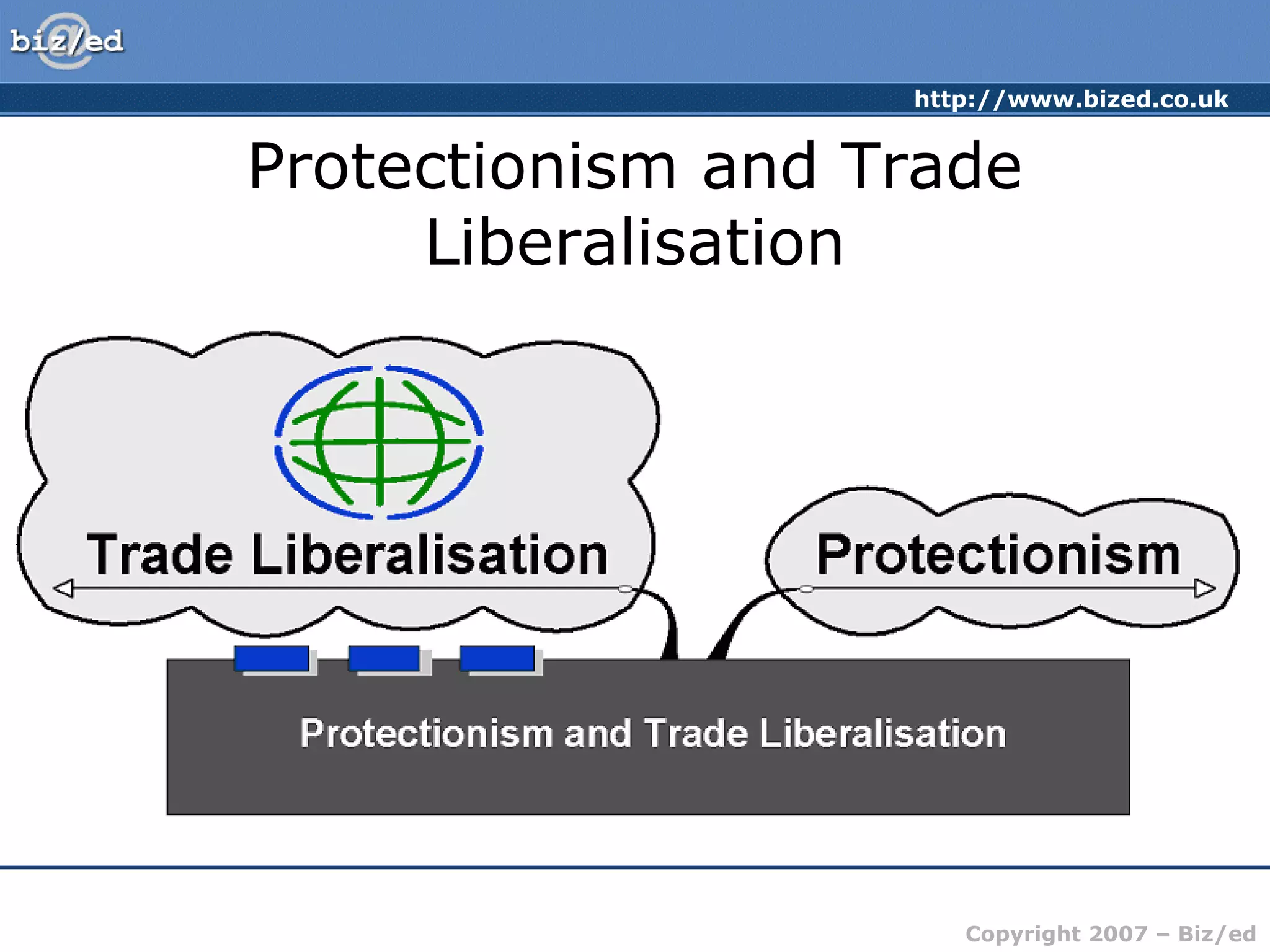
The escalation of tariff investigations, particularly those targeting subsidized international manufacturing, creates a "chokepoint effect" on the domestic supply chain. While these investigations are framed as a defense of national industry, their immediate impact is the introduction of systemic uncertainty.
The mechanism of a tariff investigation follows a predictable, yet destructive, timeline:
- The Filing Trigger: Domestic producers file a petition alleging "dumping" or unfair subsidies.
- The Uncertainty Interval: During the months of investigation, importers face the risk of retroactive duties. This leads to "pre-emptive inventory padding," where companies over-order components to beat potential deadlines, causing a temporary spike in shipping rates and warehouse demand.
- The Margin Compression: Once tariffs are enacted, the cost is rarely absorbed by the exporter. Instead, it is distributed between the importer's margin and the final consumer price.
This process is currently visible in the green energy and semiconductor sectors. If a tariff is placed on high-capacity battery components or specialized steel, the "downstream" cost of production for US-made goods rises. This creates a circular logic where the government protects one industry (steel) while inadvertently handicapping another (automotive or aerospace). The net result is a decrease in global competitiveness for US finished goods, as international rivals continue to source cheaper raw materials.
The Asymmetric Burden of Aviation Fuel Costs
The aviation sector represents one of the most inelastic segments of global energy consumption. Unlike ground transportation, which can transition to electric or hybrid models over a decade, commercial aviation remains tethered to kerosene-based fuels for the foreseeable future. The relationship between crude oil prices and Jet A-1 fuel is not linear; it is dictated by the Crack Spread—the difference between the price of crude and the price of the refined product.
Refinery capacity is the primary constraint. In a high-demand environment for diesel and heating oil, refineries prioritize those middle distillates over jet fuel. This creates a supply squeeze for airlines.
- Variable Cost Escalation: Fuel typically accounts for 20% to 30% of an airline's operating expenses.
- Hedging Limitations: While major carriers use financial derivatives to hedge against price spikes, these contracts eventually expire. If the "new normal" for crude stays above $85 per barrel, the hedged price eventually converges with the market price.
- Consumer Pass-Through: Airlines utilize sophisticated Revenue Management Systems (RMS) to pass fuel costs to passengers. However, there is a "price ceiling" where discretionary travel demand collapses. We are currently approaching this inflection point in the transatlantic and transpacific markets.
The Interplay of Labor and Logistics
The "Morning Squawk" in any industrial economy is currently dominated by the cost of moving goods. The convergence of energy prices and labor shortages in the logistics sector has created a "deadweight loss" in the economy. Even if fuel prices were to stabilize, the lack of qualified personnel to operate the infrastructure—ports, rail, and long-haul trucking—ensures that the "last mile" of delivery remains expensive.
The logistical cost function is defined by:
$$C = (F \times D) + (L \times H) + T$$
Where:
- $C$ is the total logistical cost.
- $F$ is the fuel price index.
- $D$ is the distance/route efficiency.
- $L$ is the hourly labor rate.
- $H$ is the hours required (highly sensitive to congestion).
- $T$ is the tariff or regulatory overhead.
Current data suggests that $L$ and $T$ are increasing at a rate that outpaces any minor improvements in $F$. This means that even a 10% drop in crude oil would not result in a 10% drop in consumer goods prices, as the structural costs of labor and trade barriers have effectively reset the baseline.
Strategic Realignment of Corporate Capital
Organizations must pivot from "just-in-time" logic to "just-in-case" resilience, which requires a fundamental shift in how capital is deployed. The reliance on low-cost international sourcing is no longer a viable long-term strategy in a high-tariff, high-volatility energy environment.
- Vertical Integration of Energy Sourcing: Large-scale industrial players should look toward long-term Power Purchase Agreements (PPAs) or direct investment in energy production to bypass the volatility of the spot market.
- Geographic Diversification (Near-shoring): To mitigate the impact of maritime fuel costs and potential tariff investigations, shifting production to Mexico or Canada provides a geographical hedge. The USMCA framework offers a level of regulatory certainty that trans-oceanic trade currently lacks.
- Dynamic Pricing Models: Businesses must move away from static annual pricing. Implementing "Energy Surcharge" or "Tariff Contingency" clauses in B2B contracts allows for the immediate pass-through of external shocks without necessitating a full contract renegotiation.
The upcoming fiscal quarter will likely reward firms that have prioritized liquidity over aggressive expansion. As the DOE continues its SPR dance and trade representatives sharpen their pencils for new investigations, the margin for error in supply chain management has effectively vanished. The strategic play is to shorten the supply chain, lock in energy costs through physical or financial means, and prepare for a sustained period where trade policy is used as a primary tool of economic leverage.
The most critical action for stakeholders is to audit the "Tariff Exposure" of every Tier-2 and Tier-3 supplier in their network. A single investigation into a sub-component manufacturer in Southeast Asia can halt a multi-billion dollar assembly line in the Midwest. Resilience is no longer a buzzword; it is a measurable metric of survival.