Sarah stared at her phone, her thumb hovering over the block button.
Five minutes earlier, she had listed a slightly used blender on a local neighborhood marketplace. Within seconds, a potential buyer messaged her. The conversation was brief, polite, and moving toward a quick sale. Then came the inevitable, friction-inducing phrase: "Can I get your number to coordinate pickup?" Learn more on a connected subject: this related article.
A familiar knot tightened in her stomach. Sarah didn't know this person. Giving out her phone number felt like handing over a master key to her digital life. That eleven-digit string of numbers is tied to her bank accounts, her medical portals, her food delivery apps, and her social media profiles. It is a direct, unlisted highway into her pocket, flashing open 24 hours a day. Yet, to complete a simple, twenty-dollar transaction, she was expected to surrender it.
She hesitated, weighed the risk against the cash, and ultimately deleted the listing entirely. The blender went back into the closet. Privacy won, but convenience lost. More journalism by ZDNet explores comparable views on the subject.
This silent calculation happens millions of times every day across the globe. We have been forced to accept a glaring design flaw in modern communication: the conflation of identity with connectivity. To talk to someone on the world's most popular messaging platform, you have to tell them exactly who you are, or at least give them the digital anchor that can track you down across the internet.
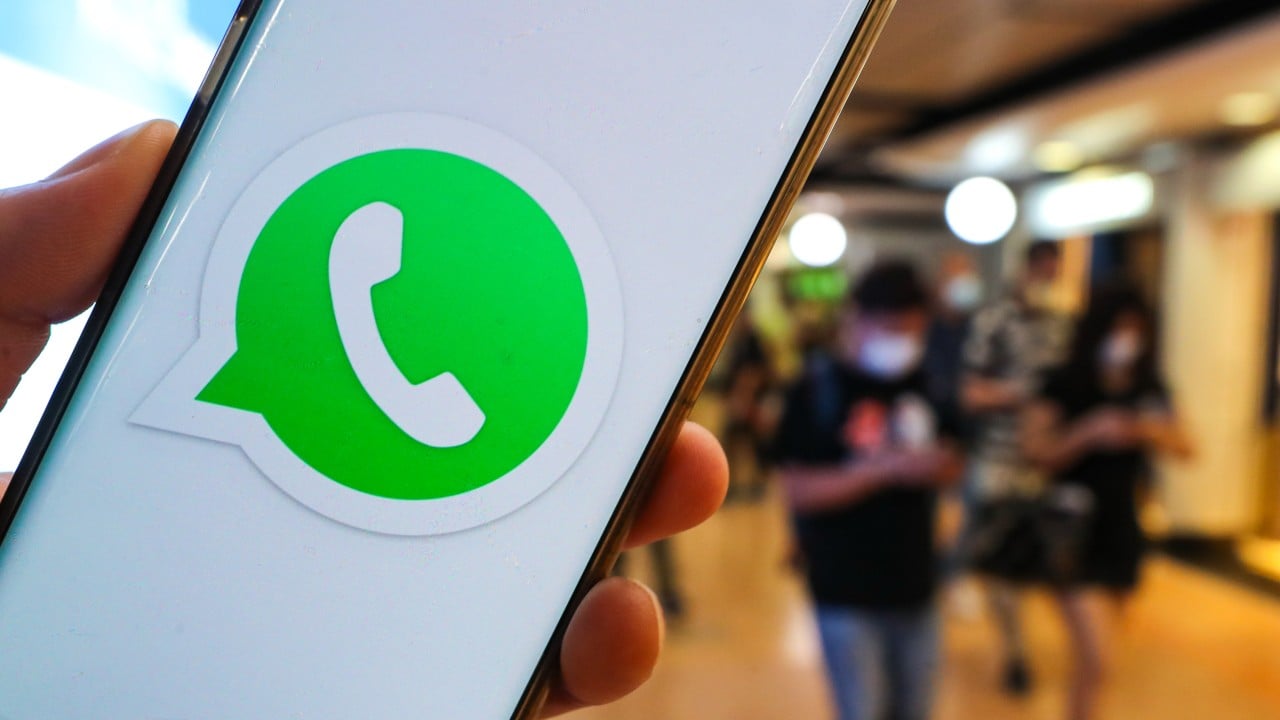
But a quiet shift is happening inside the code of WhatsApp. The era of the forced phone number exchange is coming to an end.
The Ghost in the Contact List
Every time you give your phone number to a casual acquaintance, a delivery driver, or a stranger from the internet, you are participating in an outdated ritual. Phone numbers were invented for copper wires and physical switchboards. They were geographic markers designed to ring a heavy piece of plastic sitting on a kitchen counter.
They were never meant to be a universal digital passport.
Consider the ripple effect of a single exchange. When you add a new contact to WhatsApp under the current system, you don't just open a chat window. You give that person access to your profile photo. They can see your "Last Seen" status. They can view your status updates. If they are malicious, they can use that number to search for your leaked data in public breaches, uncovering your address, your relatives, and your employment history.
It is a massive asymmetrical risk for a simple conversation.
WhatsApp is currently developing a system centered around unique, custom usernames. This means you will soon be able to create a distinct identifier—like @SarahTalks or @TechEnthusiast—that lives entirely within the app. You can hand that name to a colleague, a marketplace buyer, or a new acquaintance at a conference. They can message you instantly.
But your phone number stays hidden. Safe. Untouchable.
This is not just a minor software update. It is a fundamental rewriting of the social contract of the internet. It separates your real-world identity from your digital availability.
The Anatomy of the Username
To understand why this matters, we have to look at how we communicate across different spheres of our lives. Sociologists often talk about "context collapse." This occurs when different social worlds—which we usually keep separate—suddenly merge into one.
Right now, WhatsApp is a prime catalyst for context collapse. Your boss, your mother, your landlord, and the person fixing your leaky roof all exist in the exact same interface, authenticated by the exact same piece of data.
Imagine a hypothetical user named Marcus. Marcus runs a small carpentry business. He uses WhatsApp to send project updates to clients. Under the current regime, every client has his personal cell number. One Saturday evening, while trying to have dinner with his family, a demanding client calls his number directly through the app to complain about a paint color. The boundary between Marcus the business owner and Marcus the father dissolves instantly.
With the introduction of usernames, Marcus can hand out a business handle. The communication stays contained within the ecosystem of that specific identity. If a conversation turns sour, or if a project ends, the connection can be severed cleanly, without the fear that the other party can still reach out via standard SMS or voice calls.
The technical architecture behind this change requires a delicate balance. WhatsApp has built its reputation on end-to-end encryption, ensuring that no one, not even the company itself, can read your messages. Introducing usernames means creating a searchable directory that allows people to find each other without compromising that underlying security.
When the feature rolls out globally, users will have a dedicated section in their profile settings to choose their unique handle. Once selected, this username becomes the primary bridge for new connections. You will no longer need to type a country code and a string of digits to find a friend. You just type their name.
The Psychological Relief of the Firewall
The benefits extend far beyond avoiding annoying clients or sketchy marketplace buyers. For many vulnerable populations, this shift is a matter of basic safety.
Think of journalists communicating with sensitive sources. Think of activists organizing in regions with tight digital surveillance. Think of young people navigating the messy world of dating, where a first meeting shouldn't require giving away a permanent piece of personal data.
There is an undeniable psychological weight to knowing that your phone number is out in the wild. It leads to a state of hyper-vigilance. Every unknown call causes a brief spike of adrenaline. Every spam text makes you wonder who sold your information.
By placing a username firewall between yourself and the world, you reclaim control over your attention. You decide who gets to knock on the door, and you decide which door they get to knock on. If someone abuses the privilege of having your username, you block them, and the connection is dead. They cannot bypass the block by calling your carrier line. They cannot find your Facebook profile using your digits. The trail ends there.
Change is always met with a certain degree of friction. People are used to the simplicity of the address book. The idea of managing usernames might feel like a regression to the days of early internet chat rooms. But the reality is that the internet has grown too crowded, and too predatory, for the old, trusting methods to survive.
We have spent the last two decades giving away our personal data in exchange for convenience, often realizing the true cost only after the damage is done. This update represents a rare moment where a major platform is actively scaling back the amount of data required to make its service work. It is an acknowledgment that privacy is not about hiding secrets; it is about maintaining autonomy over your own life.
The next time someone asks for your contact info, the interaction will feel different. The hesitation will fade. You will offer a handful of letters, a simple handle, keeping the keys to your digital kingdom safely in your pocket.
The phone will stay silent until you choose to let it ring.