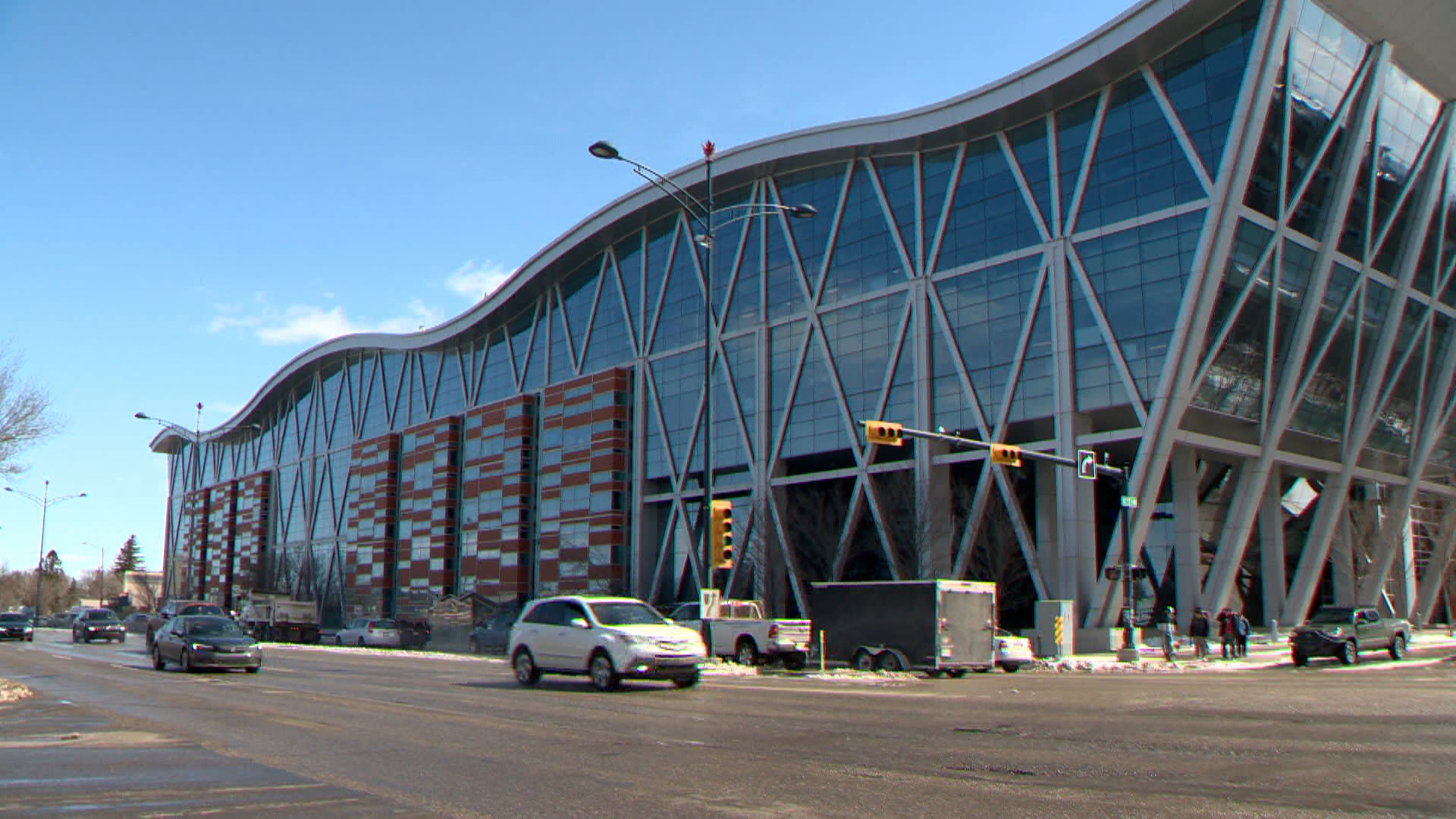
The coffee in the staff lounge at the Southern Alberta Institute of Technology (SAIT) used to be the backdrop for frantic, inspired chatter. It was the sound of instructors debating the best way to teach a student how to weld a pressure vessel or how to navigate the logic of a complex circuit board. Today, that room feels smaller. The silence isn't peaceful. It's heavy.
When a polytechnic institution announces layoffs, the public usually sees a number on a screen or a bar graph in a government report. In Calgary, that number recently hit dozens of positions. But numbers don't carry cardboard boxes to their cars. Numbers don't have to explain to a third-year apprentice why their mentor won't be there to grade their final project.
The reality of the budget crisis in Alberta’s post-secondary sector isn't found in the ledgers. It’s found in the flickering lights of a workshop where the technician who knew how to fix the 30-year-old lathe just had their position abolished.
The Slow Bleed of the Blue Collar Ivy League
For decades, SAIT functioned as the engine room of the province. If Alberta was a truck, SAIT was the mechanic, the driver, and the engineer who designed the fuel injection system. It provided a direct pipeline from the classroom to the oil patch, the construction site, and the tech hub.
The math changed.
Provincial funding models shifted toward a "performance-based" system. This sounds logical on a spreadsheet—pay for results. But the bridge between government investment and student success has started to fray. Inflation didn't wait for the budget to catch up. The cost of running high-tech labs and maintaining sprawling campuses rose, while the provincial operating grants remained stagnant or decreased in real dollars.
Consider a hypothetical instructor named Sarah. Sarah spent fifteen years in the industry before coming to SAIT to teach civil engineering technology. She isn't just a teacher; she is a repository of "unwritten" knowledge—the kind of wisdom about how concrete actually behaves in a -30°C Calgary winter that you can't find in a textbook. When the budget axe swings, Sarah’s department is told to find "efficiencies."
Efficiency is a cold word for doing more with less until you are eventually doing everything with nothing. Sarah gets her notice. She packs her desk. The school loses 15 years of industry connections and 10 years of pedagogical experience in a single afternoon. The students? They get a larger class size and a sessional instructor who is working three jobs just to keep their own lights on.
The Myth of the Lean Institution
There is a recurring narrative that public institutions are bloated. Critics point to administrative costs as the first place to cut. While every large organization has some fat to trim, the cuts at SAIT have moved past the fat and deep into the bone.
When you cut support staff, you aren't just losing "bureaucracy." You are losing the person who helps a veteran navigate their GI benefits to get retrained. You are losing the registrar's assistant who catches a scheduling error before it costs a student a full semester of tuition. You are losing the groundskeepers who keep the campus safe during a blizzard.
The pressure on these schools stems from a fundamental tug-of-war. On one side, the provincial government wants "labor market alignment"—graduates who can walk onto a job site on Monday morning. On the other side, they have tightened the purse strings, expecting the institutions to fill the gap through private partnerships and increased tuition.
But a school isn't a corporation. Its "product" is a human being’s future.
If a student pays more for their education while seeing fewer instructors and less equipment time, the value proposition begins to crumble. This is the hidden cost of the current funding landscape. We are asking our schools to compete on a global stage while tying their boots together.
The Ripple in the Local Economy
Calgary is a city built on the grit of people who make things. When SAIT hurts, the city’s economic heartbeat skips. Local businesses rely on the school for a steady stream of talent. Small construction firms depend on the apprenticeship programs to keep their crews staffed.
The layoffs aren't a self-contained event within the walls of the campus. They are a signal.
They tell the next generation of tradespeople and technologists that their path might be unstable. They tell the industry that the pipeline is narrowing. If the institution responsible for training the workforce is struggling to keep its own staff, what does that say about the long-term health of the provincial economy?
The tension is visible in the hallway conversations. Instructors who survived the latest round of cuts now look at their colleagues with a mixture of relief and survivor's guilt. They are being asked to pick up the slack, to take on more students, and to manage more administrative tasks.
Morale isn't just a HR concern. Low morale leads to burnout. Burnout leads to a decline in the quality of education.
Why This Matters Beyond the Campus
You might think that if you aren't a student or an employee at a polytechnic, this doesn't affect you.
That is a mistake.
You want the person who maintains the power grid to have been trained by the best. You want the person designing the HVAC system in your hospital to have had 1-on-1 time with an expert instructor. You want the cybersecurity analyst protecting your bank data to have had access to the latest software and hardware.
When we starve these institutions, we are effectively underfunding our own safety and infrastructure. We are trading long-term stability for short-term fiscal optics.
The funding challenges in Alberta aren't unique, but they are particularly acute. The province's history of boom-and-bust cycles has created a culture where we are used to sudden shifts. But education shouldn't be a variable cost that we turn down when the price of oil dips. It is the literal foundation of everything else we build.
The instructors walking out the door today aren't just employees. They are the keepers of the craft. Once that knowledge leaves the building, it doesn't come back with the next budget cycle. It moves to another province. It goes back into the private sector. It disappears into retirement.
The Weight of the Silence
Walking through the Stan Grad Centre, you can still see the brilliance of the students. You see them huddled over laptops and tinkering with engines. Their ambition is loud. It's vibrant. They are why the institution exists.
But the adults in the room are tired.
They are tired of wondering if the next provincial budget will be another "restructuring" event. They are tired of being told that they need to be more "innovative" while the resources for innovation are being stripped away.
The empty desks in the faculty offices are more than just furniture. They are monuments to a missed opportunity. Every laid-off staff member represents a connection lost, a question left unanswered, and a bit of the school’s soul that has been bartered away to balance a ledger.
We often talk about the "cost of education" in terms of what the student pays. We rarely talk about the cost of not educating, or the cost of educating poorly.
The lights stay on at SAIT, for now. The classes continue. But the engine is knocking. If we keep ignoring the sound, eventually, it’s going to seize.
A student stands at the doorway of a lab, looking for an instructor who is no longer there to answer a question about a failing weld. He waits for a few minutes, checks his watch, and eventually walks away. The hallway is quiet. The workshop is still. Somewhere, a spreadsheet shows a saved salary, but the real price of that silence is yet to be paid.