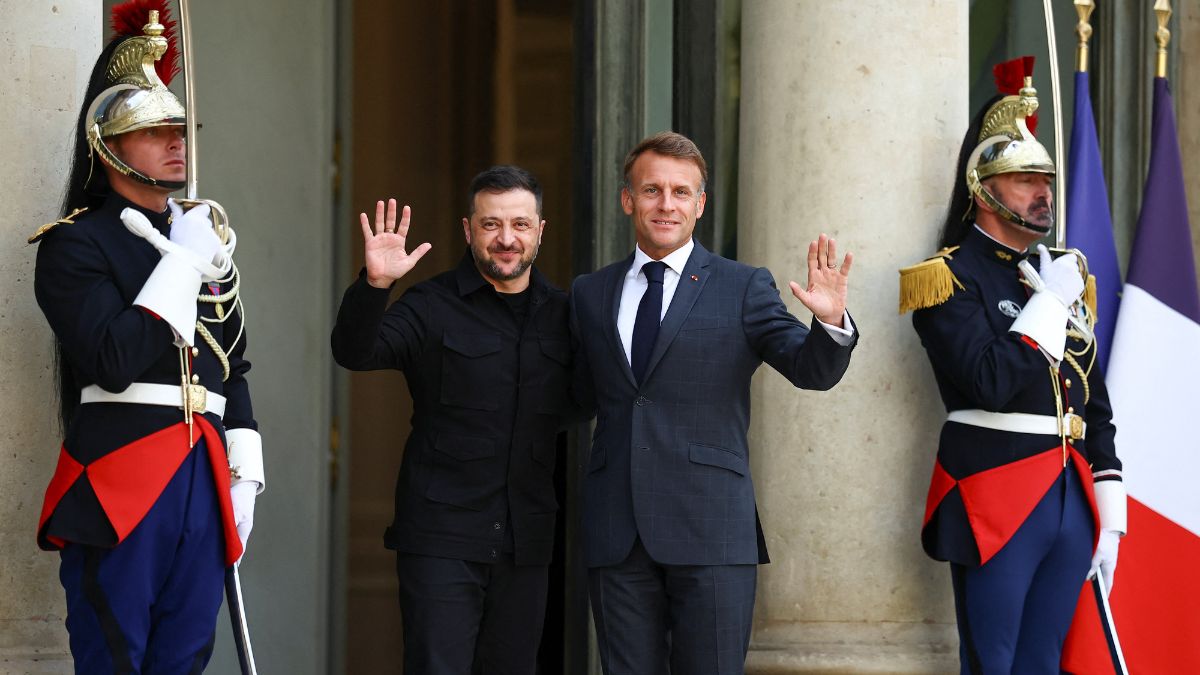
The diplomatic circuit is buzzing with rumors of a ceasefire, but French President Emmanuel Macron isn't buying it. He’s looking at the reality on the ground in Ukraine and seeing a massive disconnect between Russian rhetoric and Russian rockets. While some corners of the international community are desperate for a quick exit strategy, Macron’s recent stance signals a cold, hard truth. There is currently no willingness on the Russian side to negotiate in good faith.
It’s a tough pill to swallow for those hoping for a 2026 resolution. You’ve got a situation where the aggressor talks about "security guarantees" while simultaneously leveling city blocks in eastern Ukraine. Macron’s skepticism isn’t just a French whim. It’s a calculated observation shared by many within the NATO alliance who’ve watched this cycle repeat since 2014. If you want peace, both sides have to actually want it. Right now, only one side is fighting for its very existence while the other is fighting for a land grab. Don't miss our previous coverage on this related article.
The Mirage of Russian Diplomacy
Whenever the Kremlin mentions negotiations, it usually comes with a list of "non-negotiable" demands that look more like a surrender document for Kyiv. We’ve seen this play out before. They offer a "humanitarian corridor" only to shell it. They talk about de-escalation while moving fresh battalions to the front lines. Macron’s doubt stems from this track record of broken promises.
Honestly, it’s about leverage. Putin isn’t going to sit at a table and play fair if he thinks he can still win on the battlefield. The Russian economy has shifted into a full-scale war footing. Factories are running 24/7 to churn out artillery shells. When a country reorganizes its entire society around a conflict, they aren’t looking for a "win-win" compromise. They’re looking for a victory they can sell to their domestic audience. If you want more about the history of this, BBC News provides an excellent summary.
The West keeps looking for a "rational" exit for Putin. That’s a mistake. What looks rational to a democratic leader in Paris or Washington is totally different from what looks rational to an autocrat in Moscow. To Putin, stopping now without major territorial gains looks like a defeat. And in his world, defeat is a death sentence.
Why the Allies are Doubling Down
Instead of pushing Ukraine toward a premature and lopsided peace deal, the recent summit in Europe showed a surprising amount of backbone. The consensus is shifting. You can’t negotiate with a fire while it’s still burning your house down. You have to put the fire out first. This is why we’re seeing new commitments for long-range missiles and advanced air defense systems.
- France is leading the rhetorical charge. Macron has moved from being the guy who tried to "not humiliate Russia" to the one saying nothing is off the table, even Western boots on the ground.
- Germany’s "Zeitenwende" is finally getting teeth. The initial hesitation in Berlin has been replaced by a realization that a Russian victory is a direct threat to German security.
- The UK and Poland remain the most hawkish. They’ve been saying for years that Russia only understands strength.
The logic is simple. If you want Russia to negotiate, you have to make the cost of continuing the war higher than the cost of stopping it. Right now, that math doesn’t add up for the Kremlin. They think they can outlast Western patience. They’re betting that we’ll get bored, or the elections in various NATO countries will bring in leaders who want to cut and run.
The Problem with Neutral Mediators
Everyone wants to be the hero who brokers the peace. We’ve seen attempts from China, Brazil, and even various African delegations. But these "peace plans" often skip the most important part: the restoration of Ukraine’s borders. If a peace deal doesn’t include the withdrawal of Russian troops, it’s not peace. It’s just a pause.
A frozen conflict benefits the aggressor. It lets them dig in, mine the territory, and wait for the next opportunity to strike. Macron is being a realist here. He knows that a bad peace is just the preamble to the next war. He’s calling out the "skepticism" because the proposals on the table right now are basically asking Ukraine to stop defending itself while Russia keeps what it stole.
Logistics are the New Diplomacy
Forget the fancy ballrooms in Geneva for a second. The real diplomacy is happening in the munitions factories of the Czech Republic and the training grounds in the UK. Macron’s shift in tone reflects a realization that Europe has to be able to defend itself. The era of relying 100% on the US security umbrella is getting shaky, and the French have always been big on "strategic autonomy."
The numbers tell the story. Russia is firing shells at a rate that dwarfs Western production. To fix this, European allies are finally signing long-term contracts. This isn't just about Ukraine; it’s about rebuilding a credible deterrent. If Putin sees that Europe is actually serious about re-arming, his "long game" strategy starts to look a lot less certain.
It’s easy to talk about peace when you aren't the one being invaded. It’s much harder when your energy infrastructure is being systematically destroyed. Macron's skepticism is a signal to the rest of the world: don't be fooled by the "peace" label on a surrender package.
What it Takes to Get to a Real Deal
If we ever want to see a legitimate peace deal, a few things have to happen first. And they aren't happening yet.
- A Clear Military Stalemate: Russia has to realize that further territorial gains are impossible. As long as they think they can take another city, they’ll keep pushing.
- Internal Pressure in Russia: The elite in Moscow have to start feeling that the war is hurting their interests more than it's helping.
- Guaranteed Security for Ukraine: No more "memos." Ukraine needs real, binding security guarantees so this doesn't happen again in five years.
Macron is right to be "very skeptical" because none of these conditions are met. Putin is still playing for total stakes. He hasn’t been forced to the table yet, and until he is, all the talk of a "peace deal" is just noise.
You can support this effort by keeping the pressure on elected officials to maintain aid. The moment the West flinches, the chance for a real peace disappears. Keep an eye on the upcoming NATO summits and the specific types of hardware being sent. That’s where the real story is. If the flow of weapons increases, it means the allies are serious about forcing a conclusion. If it slows down, Putin’s bet on Western fatigue might just pay off. Don’t fall for the "ceasefire" traps that leave Ukraine vulnerable. True peace requires a foundation of strength, not a white flag disguised as a handshake.