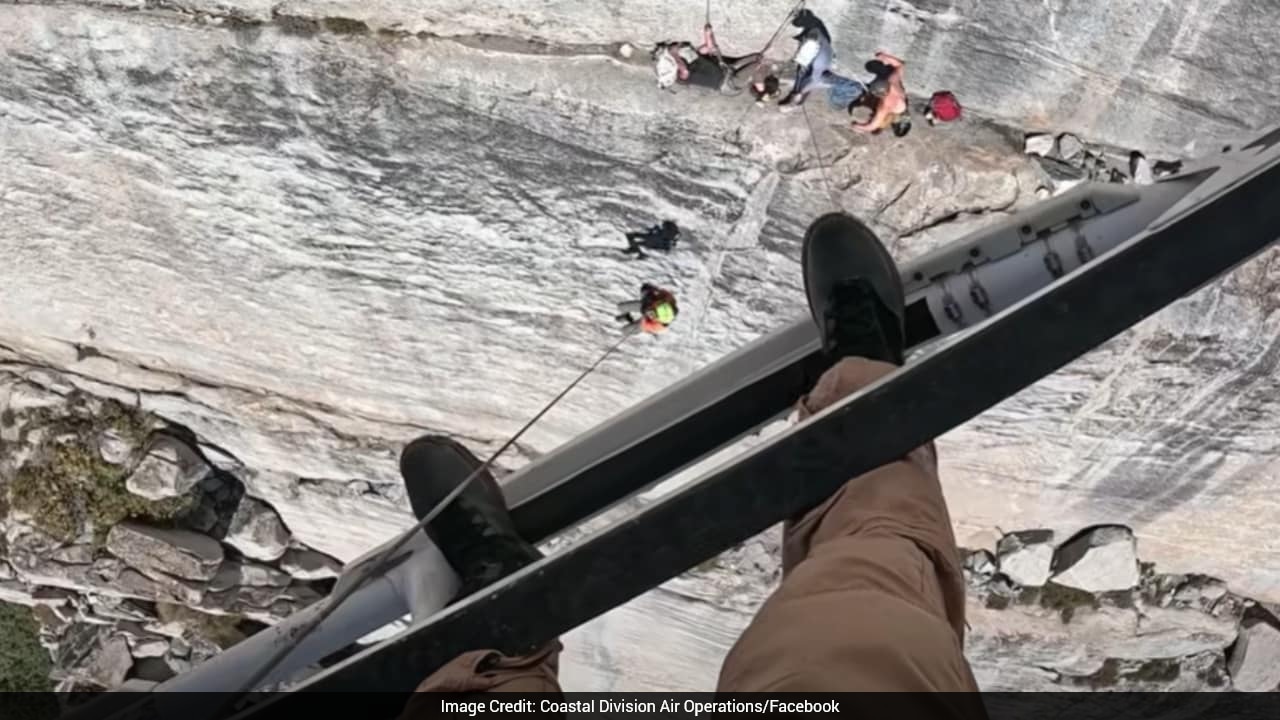
When you misjudge a vertical granite wall, things go sideways fast. That is exactly what happened to an unfortunate climber in California's Sierra National Forest, who tumbled down a massive 700-foot precipice near Courtright Reservoir. Surviving a fall from that kind of height sounds nearly impossible, but thanks to a multi-agency aerial extraction, this story didn't end in tragedy.
Let's look at how elite mountain rescue operations actually work when every single second counts.
Inside the High Stakes Rescue Near Courtright Reservoir
The incident brought together a heavy-hitting roster of emergency responders. We are talking about the California Highway Patrol Coastal Division Air Operations, the Fresno County Sheriff's Office, CAL FIRE, the Shaver Lake Volunteer Fire Department, and the U.S. Forest Service.
When someone takes a massive fall on rugged terrain like the Sierra Nevada backcountry, ground crews alone won't cut it. You need specialized air support. In this case, an H-70 helicopter arrived from its base at Paso Robles Airport, alongside a helicopter rescue technician from the Fresno County Sheriff's Office to execute a delicate hoist operation.
The footage released by aviation units shows just how razor-thin the margins are during these extractions. The chopper hovers inches away from jagged rock faces while downdrafts buffet the aircraft. The rescue technician drops down to the injured climber, secures them in a harness, and lifts them up into the cabin before transferring them to an awaiting ambulance.
Why Technical Terrain Catches Experienced Climbers Off Guard
People look at accidents like this and automatically assume someone must have been reckless. Honestly, that is rarely the whole truth. Even seasoned climbers deal with objective hazards like loose rock, sudden weather shifts, fatigue, or simple miscalculations in route-finding.
The Sierra National Forest features gorgeous, demanding granite faces that draw thousands of visitors. But beauty comes with severe risks. When you are hundreds of feet up, a single handhold failure turns a recreational afternoon into a fight for survival.
Mountain rescue teams emphasize a few critical takeaways from incidents like this:
- Communication gear fails or lacks signal. Always carry a satellite messenger device when heading deep into remote California wilderness. Relying solely on a standard cell phone is a rookie mistake.
- Self-rescue has strict limits. Once trauma occurs, minor injuries quickly compound into life-threatening situations due to exposure and shock.
- Multi-agency coordination saves hours. The seamless handoff between local volunteer fire departments, county sheriffs, and state aviation units is the only reason operations succeed so cleanly.
Check out the video below to see how emergency helicopter crews manage these terrifying high-altitude cliff extractions.
The video above shows the precise hoist mechanics and tactical coordination required by rescue technicians during high-angle mountain extractions.
Staying Safe in California Backcountry
If you are heading out to tackle remote crags or hiking trails this season, respect the environment. Check local weather reports, bring extra layers, and let someone know your exact itinerary before you leave the trailhead. If things go wrong, stay put and conserve your energy while rescue teams mobilize.