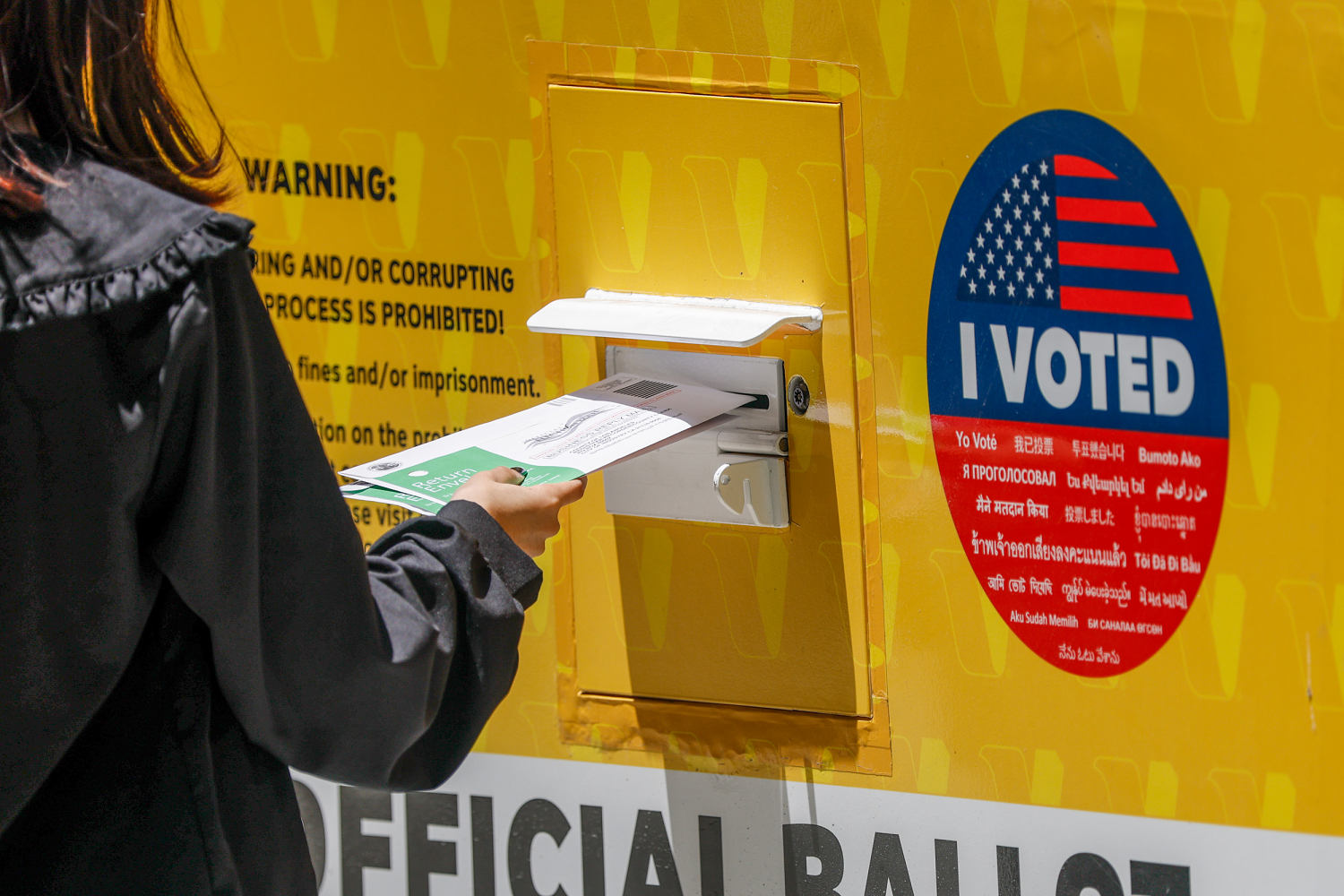
Every election cycle follows the exact same script. Millions of ballots drop early, and political pundits lose their minds. They look at party registration splits, scan return rates, and start building elaborate theories about who is winning before half the country has even voted. It's a massive waste of energy.
Early voting data tells you who has cast a ballot, not who they voted for. Treating it like a crystal ball is a surefire way to get election night entirely wrong.
Let's look at why early numbers routinely fool the experts, what the metrics actually measure, and how you should read them without falling for the trap.
The Party Registration Illusion
The biggest trap in early voting analysis is party registration. If you live in a state that tracks party affiliation on voter rolls, you'll see daily updates showing how many registered Democrats or Republicans have turned in their ballots.
Cable news anchors treat these numbers like scoreboards. They assume a registered Democrat always votes for the Democratic candidate. They assume registered Republicans march in lockstep with their party nominee.
That hasn't been true for a long time. Independent voters make up massive blocks of the electorate in crucial swing states. Worse yet, party switchers and ticket-splitters routinely cross party lines. A registered Republican who hates their party's nominee might cast an early ballot for the opposition, yet they still show up in the tally as a red vote.
When you look at registration data, you're looking at historical paperwork, not current intent. People change their minds. Parties shift. The label on a voter file is just an administrative record, not a guarantee of a vote.
The Substitution Effect
Another reason early voting data misleads is the substitution effect. Analysts often see a massive surge in early Democratic or Republican turnout and assume the total vote share for that party is growing.
Usually, it isn't. People who vote early are almost always high-propensity voters. These are the folks who were going to vote anyway, no matter what. All early voting does for them is change the delivery method.
Instead of standing in line on a Tuesday in November, they mail a ballot or drop it in a secure box in October.
When a campaign brags about banking early votes, they aren't necessarily expanding the electorate. They're just cannibalizing their own election-day turnout. If your voters cast ballots early, you don't have to chase them down on election day. That's a logistical win for campaign organizers, but it doesn't mean the total vote count has magically expanded.
Ignoring this distinction leads to wild miscalculations about total turnout and momentum.
The Demographics Guessing Game
Without exit polls or direct ballot questioning—which early data obviously lacks—analysts try to guess voter demographics using age, gender, and zip codes.
They look at a wave of returned ballots from suburban districts and declare that suburban women are breaking for a specific candidate. But zip code analysis is a blunt instrument. A single zip code contains wealthy retirees, young hourly workers, staunch partisans, and apathetic non-voters.
Assuming everyone in a specific geographic area votes the same way is lazy analysis. Campaigns spend millions of dollars on micro-targeting precisely because broad demographic assumptions fail under scrutiny.
When a pundit tells you that young voters are lagging based on early return data, remember that young voters have historically waited until the final days or election day itself to cast ballots. Early data captures the start of the race, not the finish line.
How Campaigns Actually Use the Numbers
While cable news commentators use early metrics for drama, serious campaign operatives use them for tactical adjustments. They don't care about the daily horse race score. They care about universe management.
If a campaign sees that a specific volunteer's target list of low-propensity voters hasn't returned their mail ballots yet, they send text reminders or knock on doors. Early voting data functions as a to-do list, not a prediction.
It tells organizers who is left to mobilize. It helps campaigns stop wasting money on people who have already voted so they can reallocate resources to persuadable holdouts.
If you want to read early numbers like a professional, ignore the daily panic. Look at the baseline goals. Ask whether low-propensity cohorts are showing up at rates higher than previous cycles, and focus on the ground game adjustments rather than the punditry.
Stop trying to decode a running tally that was never designed to tell you who is winning. Watch the trends, understand the baseline shifts, and wait for actual verified results before drawing conclusions.