The waiting room in a Sacramento pediatric clinic doesn’t usually sound like this in early November. Usually, the air is still crisp with the optimism of autumn, and the heavy, wet coughs of the deep winter are weeks away. But this year, the rhythm has shifted. A three-year-old in a faded dinosaur hoodie leans against his mother’s shoulder, his breathing heavy and rhythmic, a sound like dry leaves skittering across pavement. His mother stares at the intake form, her pen hovering over the "Symptoms" box. She has already checked fever, chills, and muscle aches. Now, she just looks tired.
California is witnessing a seasonal heist. The flu, which typically waits for the holiday decorations to come down before making its grand entrance, has picked the lock early.
Public health data isn’t just a collection of spreadsheets; it is a map of our collective vulnerability. Currently, the surveillance tracks show a sharp, vertical spike in influenza-like illnesses across the Golden State, arriving nearly a month ahead of the historical average. For most adults, this is an inconvenience—a week of soup and missed Zoom calls. For the children sitting in those plastic chairs, the stakes are different. Their immune systems are still learning the library of human illness, and this year, the test is arriving before they’ve finished the first chapter.
The Gap in the Armor
Why does an early start matter? It isn't just about the timing; it is about the "immunity gap." During the years of masking and social distancing, children weren’t just protected from one specific virus; they were isolated from the entire ecosystem of common respiratory pathogens. While that kept us safe then, it left a generation of toddlers with "naive" immune systems.
Think of the immune system as a physical library. Every time a child catches a mild cold or a sniffle, a new book is added to the shelf. When the body encounters a virus again, it knows exactly which book to pull down to find the instructions for defense. Because of the unique biological pause of the last few years, many children have shelves that are dangerously thin. When a high-velocity strain of the flu hits a "naive" system, the body doesn't just react; it panics. It overcompensates. That is when we see the high fevers that won't break and the secondary infections that turn a simple virus into a hospital stay.
Doctors are watching the H1N1 and H3N2 strains with particular intensity. These aren't new names, but they are aggressive players. In California, the early data suggests these strains are dominating the initial wave. They are known for causing more severe illness in the very young and the very old. It is a biological pincer movement.
The Sound of a Parent’s Intuition
Every parent knows the specific, chilling silence of a house when a child is too sick to play. It’s a heavy quiet. You find yourself standing in the doorway of their bedroom, watching the rise and fall of their chest, counting breaths.
"Is he just tired, or is he struggling?"
That is the question echoing through households from San Diego to Redding. Medical professionals are urging parents to look past the thermometer. A number on a screen is data, but the way a child carries themselves is the story. We are looking for "increased work of breathing." It’s a clinical phrase for a terrifying sight: the skin pulling in around the ribs or the base of the throat with every gasp.
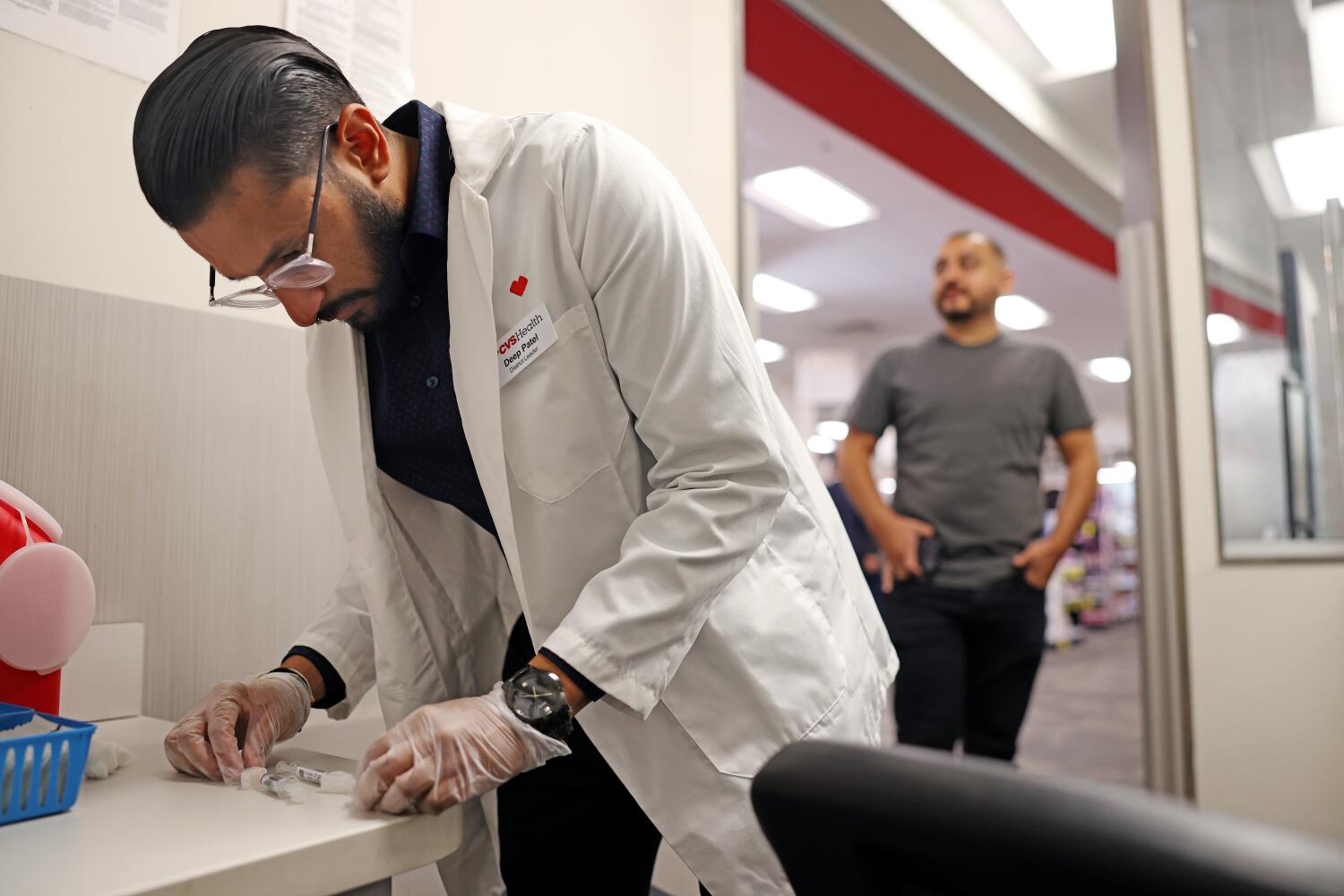
The early surge is putting a localized strain on pediatric urgent care centers. When the flu hits early, it often overlaps with RSV (Respiratory Syncytial Virus), creating a "syndemic" that can overwhelm the specialized beds designed for small bodies. It isn't that we lack medicine; it's that we are running low on time and space.
The Mathematics of the Crowd
We often treat health as an individual pursuit—my diet, my exercise, my vitamins. But the flu reminds us that we are an interconnected web. One child goes to a birthday party in Walnut Creek with a "slight sniffle." Three days later, ten families are checking their thermometers.
The early arrival of the virus means the window for peak protection is closing. It takes roughly two weeks for the body to build the necessary antibodies after a vaccination. If the peak of the season hits in December instead of February, the "wait and see" approach becomes a gamble.
Logically, the math is simple. The more people who carry a baseline of protection, the slower the virus moves through the community. It’s like trying to start a fire with wet wood. The virus looks for a host, hits a wall of antibodies, and stops. But when vaccination rates dip or the virus gets a head start, the wood is dry, and the fire spreads before the sirens even sound.
Beyond the Fever
The invisible stakes are found in the lost days. It’s the hourly worker who can’t afford to stay home with a sick toddler but has no choice. It’s the grandmother who can’t visit because the risk is too high. It’s the child who misses two weeks of school and falls behind in reading, a small gap that can widen over years.
There is a tendency to dismiss the flu as a "normal" part of childhood. We remember our own childhoods—the ginger ale, the daytime television, the cool washcloths. But memory is a filtered lens. We don't often remember the children who didn't recover as easily, or the families whose lives were upended by a preventable complication.
The medical community isn't sounding the alarm to cause panic. They are doing it to provide a lead time. We have been given a warning. The shadow is stretching across the state earlier than expected, but we are not helpless. We have the tools, the knowledge, and the collective responsibility to shorten the shadow.
As the sun sets over a clinic in Los Angeles, the lights stay on late. A nurse wipes down a scale. A doctor sighs, looking at the next chart in the stack. Outside, the world is bustling toward the holidays, oblivious to the microscopic battle being waged in the lungs of the city's youngest citizens.
The boy in the dinosaur hoodie finally falls asleep on his mother’s lap. She strokes his hair, her hand feeling the heat radiating from his forehead, waiting for the doctor to call their name. She is no longer just a mother; she is a sentinel, standing watch in a season that arrived before she was ready.
The wind picks up outside, carrying the chill of a winter that has already made its presence known.