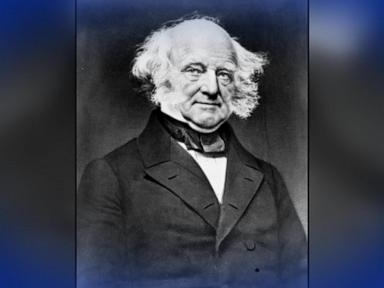
Media companies love the "presidential descendant" beat. It is an annual tradition: round up a few great-great-grandchildren of long-dead commanders-in-chief, film them in front of a fireplace, and have them share "little-known facts" about Great-Grandpa’s favorite breakfast or secret diary entries. The tone is always the same—wholesome, reverent, and deeply comforting.
It is also an intellectual scam.
These fluff pieces operate on a lazy consensus: that proximity to historical power somehow translates to inherited wisdom, or that the trivial habits of historical figures hold the key to understanding modern leadership. We are told these humanizing tidbits "connect us to our history." They don't. They disconnect us. They turn brutal political history into a cozy family album, substituting systemic analysis with genealogical gossip.
I have spent years analyzing how political narratives are manufactured, and I can tell you exactly why this obsession with presidential lineages is actively warping our understanding of power. We are treating democratic leaders like secular monarchs, and it is destroying our ability to evaluate leadership objectively.
The Myth of Genetically Encoded Leadership
The underlying premise of celebrating presidential descendants is a quiet nod to genetic determinism. It is the belief that because someone carries the DNA of Abraham Lincoln or Theodore Roosevelt, their perspective on the presidency matters more than that of an actual historian.
Let's look at the numbers. Humanity's genetic dilution happens incredibly fast. A great-great-grandchild shares roughly 6.25% of their DNA with that famous ancestor. From a biological standpoint, they are virtually strangers. Yet, media outlets accord them the status of historical gatekeepers.
When we ask a descendant what a past president "would have thought" about a modern crisis, we are asking a person with zero policy expertise to channel a ghost based entirely on family lore. It is a parlor trick masquerading as historical insight.
This obsession feeds into the dangerous American urge toward political dynasties. We claim to reject royalty, yet our political system continuously defaults to familiar last names—Adams, Harrison, Roosevelt, Kennedy, Bush, Clinton. By romanticizing presidential descendants, the media primes the public to accept name recognition as a valid substitute for competence.
Humanizing the Monster, Trivializing the Icon
The "little-known facts" featured in these puff pieces are almost always designed to humanize the subject. We learn that a president was terrible at math, loved to sneak out for midnight swims, or kept a raccoon as a pet.
This humanization serves a specific ideological purpose: it sanitizes history.
When you focus on Thomas Jefferson’s architectural genius or his descendants' favorite family recipes, you are actively displacing conversations about the human beings he enslaved. When you focus on Teddy Roosevelt’s rugged family camping trips, you ignore the imperialist foreign policy that devastated populations abroad.
Conversely, this trivialization also ruins our understanding of good policies. It reduces monumental achievements—like the passage of the Civil Rights Act or the creation of Social Security—to the personal quirks of the men who signed the bills. It teaches the public that history is driven by the eccentricities of Great Men, rather than by mass movements, economic pressures, and collective organizing.
Dismantling the Premium on Proximity
People frequently ask: "But don't family archives and oral histories provide invaluable context that historians miss?"
The short answer is no. Family history is notoriously unreliable. It is curated to protect the family brand.
In any other field, we recognize that a subject's family is the least objective source of information. If you want an accurate biography of a corporate CEO, you do not rely solely on the authorized memoir written by their kids. You look at the financial audits, the employee testimonies, and the court records.
Historians like David McCullough or Doris Kearns Goodwin spent decades digging through thousands of unfiltered letters, opposing party critiques, and policy failures to build a multi-dimensional view of power. A descendant's anecdote about a president’s favorite joke cannot compete with that depth of research. In fact, family lore often contradicts the hard documentary evidence found in national archives. Proximity is not expertise; it is merely an agenda with an emotional attachment.
The Actionable Pivot: How to Read Political History
Stop clicking on hereditary fluff. If you want to understand the presidency and its lasting impact on your life today, change how you consume historical media.
- Ignore the Bloodline: If an article features a quote from a descendant, mentally swap their name with "Random Citizen." If the quote no longer carries weight without the famous last name, disregard it entirely.
- Follow the Institutional Footprint: Do not ask what a president felt in his heart. Ask what laws his administration passed, who funded his campaigns, and which communities benefited or suffered under his pen.
- Read the Opposition: To truly understand a historical figure, read the newspapers and speeches of their contemporary critics. The people who fought against a president's policies always provide a clearer picture of his exercise of power than his grandchildren ever could.
We do not live in a kingdom. The descendants of past leaders have no institutional authority, no inherent historical wisdom, and no claim on our collective attention. Treating them as keepers of the flame is a collective failure of imagination that keeps us trapped in a cycle of celebrity worship.
Turn off the family interviews. Read the policy documents. History is found in the margins of bills and the consequences of executive orders, not in the sentimental recollections of a great-grandchild.