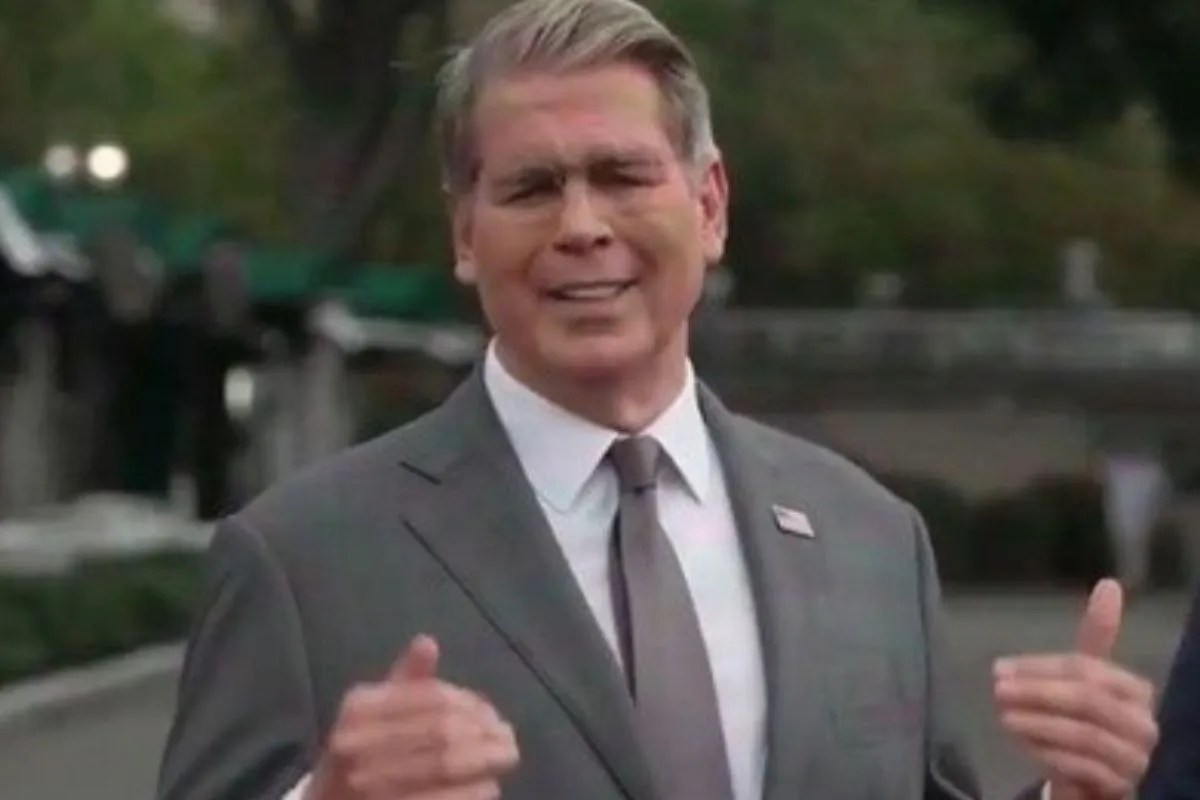
Federal financial disclosures don't usually read like gossip columns, but a fresh batch of paperwork just exposed a massive financial loop inside the West Wing. President Donald Trump handed out heavy cash bonuses disguised as holiday gifts to a tight circle of loyalists, including his most visible aide, Natalie Harp.
The numbers are staggering. Harp, along with communications adviser Margo Martin and deputy director of Oval Office operations Chamberlain Harris, each pocketed a $45,000 cash gift directly from Trump. Longtime valet and assistant Walt Nauta also pulled in a $20,000 check. When government salaries sit at a standard $150,000 for these positions, a sudden forty-five thousand dollar cash injection amounts to a thirty-three percent bump. Naturally, ethics experts are screaming foul.
Breaking Down the West Wing Cash Disclosures
Transparency laws force government workers to lay out outside income and gifts every year. These latest filings caught Washington off guard because presidents traditionally hand out commemorative coins, cufflinks, or framed memorabilia—not stacks of folding money.
The White House rushed to defend the transactions. Officials claim the money was a personal holiday gift from Trump's private funds, pointing to a long history of him rewarding loyal staff from his private business days. They argue these disbursements have zero connection to official government duties.
Legal scholars aren't buying the defense so easily. Richard Painter, who served as chief ethics counsel under George W. Bush, pointed out that supplementing federal salaries runs headfirst into strict government regulations. Even though former ethics officials like Don Fox note that proving a direct illegal quid pro quo requires wading through murky intent, the sheer optics of handing tens of thousands of tax-free dollars to close confidants makes compliance officers sweat.
Who Actually Got the Money
The cash didn't go to random bureaucrats pushing paper in basement offices. It went to the tiny, hyper-loyal inner circle guarding the Oval Office.
Natalie Harp sits right at the center of this storm. Known widely around Washington as the "human printer," Harp earned her nickname by shadowing Trump everywhere with a portable printer to feed him positive news clips and social media wins. She also acts as a primary amanuensis for his Truth Social outbursts, typing out thoughts as he dictates them. Her intense proximity and leaked personal letters have already made her a fixture in political gossip.
Alongside Harp, Margo Martin handles the modern media machine, filming viral clips that drive millions of views across platforms. Chamberlain Harris manages crucial operations and recently secured a spot on the Commission of Fine Arts. Walt Nauta, enduring years of legal turmoil alongside Trump, picked up his own $20,000 slice.
Why This Changes the Game for White House Oversight
Past administrations kept a wide berth between personal wealth transfers and staff compensation to avoid even the smell of corruption. When a boss can legally hand a third of an employee's annual salary in cash, the line separating employment from personal patronage blurs completely.
Congressional investigators are already reviewing whether these disclosures open up new avenues for examining executive branch transparency. If the defense holds that private cash gifts to government workers are totally legal, expect future administrations to test those boundaries even further. For now, the files are public, the questions are multiplying, and Natalie Harp's financial footprint is permanently tied to the center of presidential power.